



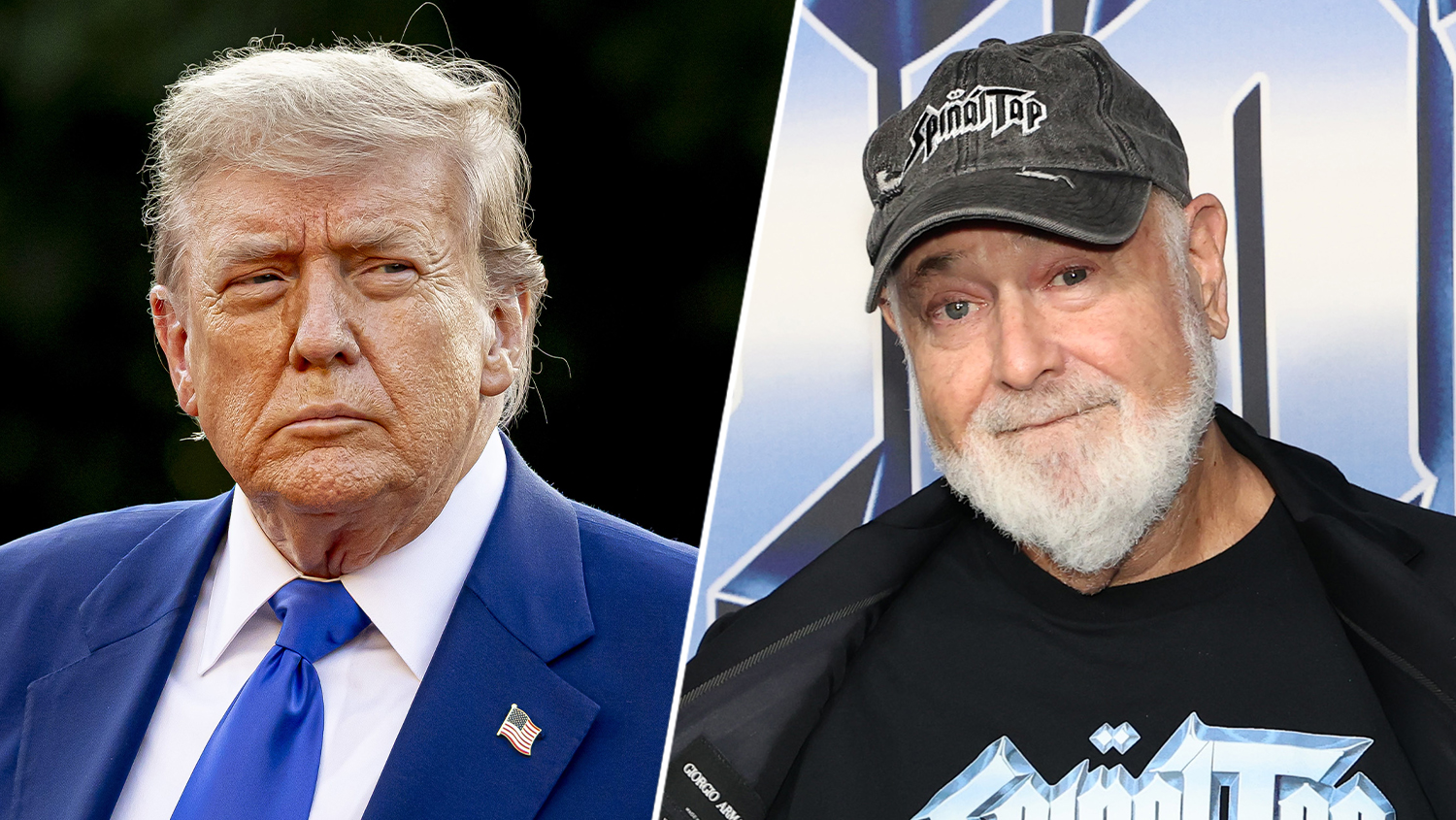
Trump and Reiner: A Clash of Ideologies
The ongoing battle between media representation and political narratives has taken on a new dimension, especially in the context of the recent statements made by renowned director and activist Rob Reiner regarding former President Donald Trump. As HR professionals and business leaders, understanding the implications of this discourse is crucial, particularly in relation to business communications and public relations strategies.
Rob Reiner, a prominent figure in Hollywood known for his outspoken progressive views, recently expressed concerns about Trump’s influence over media and the potential repercussions for democracy. According to Reiner, Trump’s tactics reflect a dangerous escalation reminiscent of the McCarthy era, where media manipulation played a critical role in shaping public perception and policy. For those unaware, the McCarthy era was marked by intense scrutiny and persecution of those labeled as communists, leading to a culture of fear and compliance in media and government.
In a recent interview, Reiner elaborated on his views, drawing parallels between Trump’s efforts to control the narrative and the historical efforts of McCarthy. Reiner articulated that in today’s media landscape, misinformation and disinformation have become weapons that can affect public opinion and policy, much like during McCarthy’s reign. This raises essential questions for business leaders about maintaining transparency, trust, and effective communication with stakeholders.
Understanding Media Control and Its Implications
The dynamics of media control have significant implications for businesses. In an age where social media and instant communication dominate, understanding how to navigate these waters is essential. Companies must ensure that their communications strategy is transparent and resilient against potential misinformation campaigns.
Reiner’s comments point to the necessity for businesses to adopt a proactive stance in handling public relations. With political figures exerting influence over media narratives, organizations need to establish clear channels for communication that prioritize honesty and ethical standards. By doing so, businesses can protect their brand integrity while fostering trust among consumers and stakeholders.
The Importance of Authentic Communication
In light of these observations, the importance of authentic and consistent communication cannot be overstated. Businesses should focus on developing a narrative that speaks to their values and mission while ensuring that this message is consistent across all platforms. This strategy not only strengthens brand identity but also positions the organization as a trusted source of information in turbulent times.
As Reiner pointed out in the interview with Deadline, there is an urgent need for individuals and organizations to stand up against attempts at media manipulation. Business leaders are encouraged to become advocates for truth in their communications. This can include actively engaging with their audience through social media, providing accurate information, and fostering an environment where constructive dialogue can take place.
Navigating the Political Landscape
The intersection of politics and business can be fraught with challenges, especially when political figures like Trump dominate headlines. For HR professionals and business leaders, navigating this landscape requires a keen awareness of how political developments can impact organizational culture, employee morale, and customer perceptions.
It is vital for leaders to maintain an informed perspective on political events, understanding how they affect public sentiment and, consequently, business operations. Organizations may consider implementing regular training and workshops to equip employees with the skills needed to engage with these topics thoughtfully and responsibly. This approach not only enhances resilience within the organization but also empowers employees to represent the company positively in their interactions.
Leveraging Technology in Communication
In our tech-driven world, organizations can leverage AI and automation tools to enhance their communication strategies. Automating business processes related to communication, such as customer inquiries or public relations efforts, allows businesses to ensure consistent and accurate messaging while freeing up resources for strategic planning and creative endeavors.
AI consulting for businesses can provide valuable insights into data-driven strategies that improve engagement and foster trust. By utilizing tools like n8n workflows, companies can streamline multiple communication channels to ensure that their messaging is not only consistent but also timely and sensitive to the political nuances discussed by Reiner.
Conclusion: Taking Action Against Media Manipulation
The confrontation between Rob Reiner and Donald Trump illustrates a broader issue that transcends the world of media and politics. It emphasizes the vital need for businesses, particularly in the wake of misinformation and media manipulation, to maintain authenticity and transparency in their communications.
As we navigate an increasingly complex political landscape, organizations must prioritize ethical communication, develop strategies to counter misinformation, and leverage technology to stay ahead. By doing so, businesses not only protect their reputation but also contribute to a healthier public discourse. For those interested in keeping up with Reiner’s thoughts on this issue, further details can be found in his remarks reported by Deadline.