



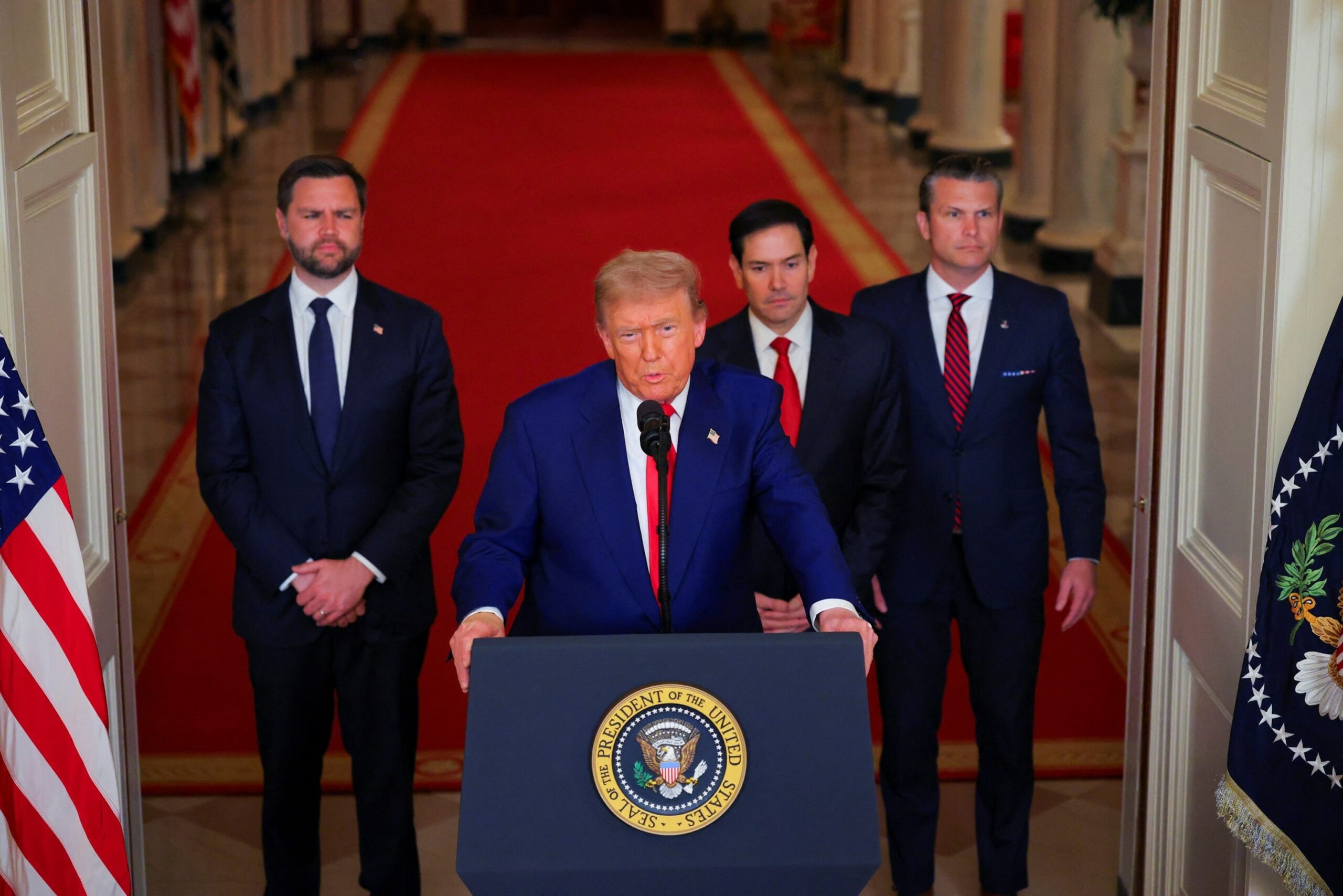
Trump’s Presidential Address: A Turning Point in American Politics
In a world where political speeches can inspire generations or cause significant divisions, Donald Trump’s presidential address remains a vital topic of discussion. Following his inauguration on January 20, 2017, Trump articulated his vision for America that resonated with many, while equally inciting controversy among others. This blog post delves into the essence of Trump’s inaugural speech and explores its ramifications on American society and politics. We’ll also briefly discuss how effective communication can influence public opinion and how leveraging AI consulting and automation workflows can enhance our understanding of such dynamics.
Trump’s presidential address, available in full at the U.S. Embassy website, echoes themes of nationalism, change, and a vow to restore the power to the American people. His rhetoric focused on a commitment to put America first, succinctly capturing a disenchanted electorate’s sentiment. However, what does this mean for the future of American democracy and the fabric of its social structure? Let’s unravel the layers of this iconic address.
Significance of Trump’s Message
During his address, Trump proclaimed, “The establishment protected itself but not the citizens of our country. Their victories have not been your victories.” His words struck a chord with those feeling marginalized by traditional political structures. It epitomizes the divide that had been growing in the United States, showcasing how discontent over socio-economic issues could lead to the rise of populism. Media outlets and analysts quickly took to social networks, creating echoes of his sentiments, which raised questions about the effectiveness of traditional media in shaping political narratives.
The Role of Communication in Politics
Trump’s approach to communication has highlighted the evolution of political speech; he famously leveraged social media platforms to bypass traditional media gatekeepers, directly engaging with his constituents. For business leaders and HR professionals, this provides crucial insights. With the growing accessibility of technology, leaders can utilize AI consulting to analyze communication patterns and feedback mechanisms that impact employee engagement and public perception. Those in HR must consider how effective communication strategies can foster a transparent and engaged workplace. They should also learn from political addresses how impactful rhetoric can resonate deeply with audiences.
How Automation Can Help Understand Public Sentiments
In light of understanding public sentiment, businesses can deploy automation tools like n8n workflows. These sophisticated yet user-friendly automation frameworks enable companies to streamline data collection and analysis processes, providing real-time insights into stakeholder engagement and trends. By employing these workflows, organizations can effectively gauge reactions to political communications or major decisions, ultimately allowing for timely adjustments in strategy.
Analyzing the Aftermath of Trump’s Address
Since Trump’s inaugural sovereign statement, the country has seen a wave of political polarization, which reflects the divisive nature of his presidency. Researchers and political analysts have established that speeches during pivotal moments can redirect the collective conscience of a nation. The influential nature of address ranges from inspiring mass movements to inciting anger, as evidenced by the responses Trump faced post-speech, including both fervent support and vitriolic opposition.
Conclusion: Moving Forward in Discourse
Reflecting upon Trump’s presidential address invites informative dialogues about rhetoric, its implications, and the evolving landscape of political communication. For HR professionals and business leaders alike, the takeaway is clear: understanding the art of communication can bridge divides and cultivate unity. Additionally, integrating AI consulting and employing tools like n8n workflows will empower organizations to harness insights that can navigate the complexities of modern discourse.
In conclusion, Trump’s inauguration speech was not just a political statement; it was a watershed moment that will continue to influence American politics and the methods of communication used by leaders in the years to come. As we move forward, embracing the lessons from his address might very well shape how we perceive leadership and governance in the future.