



Understanding the Controversy: Trump, Obama, and Racial Imagery
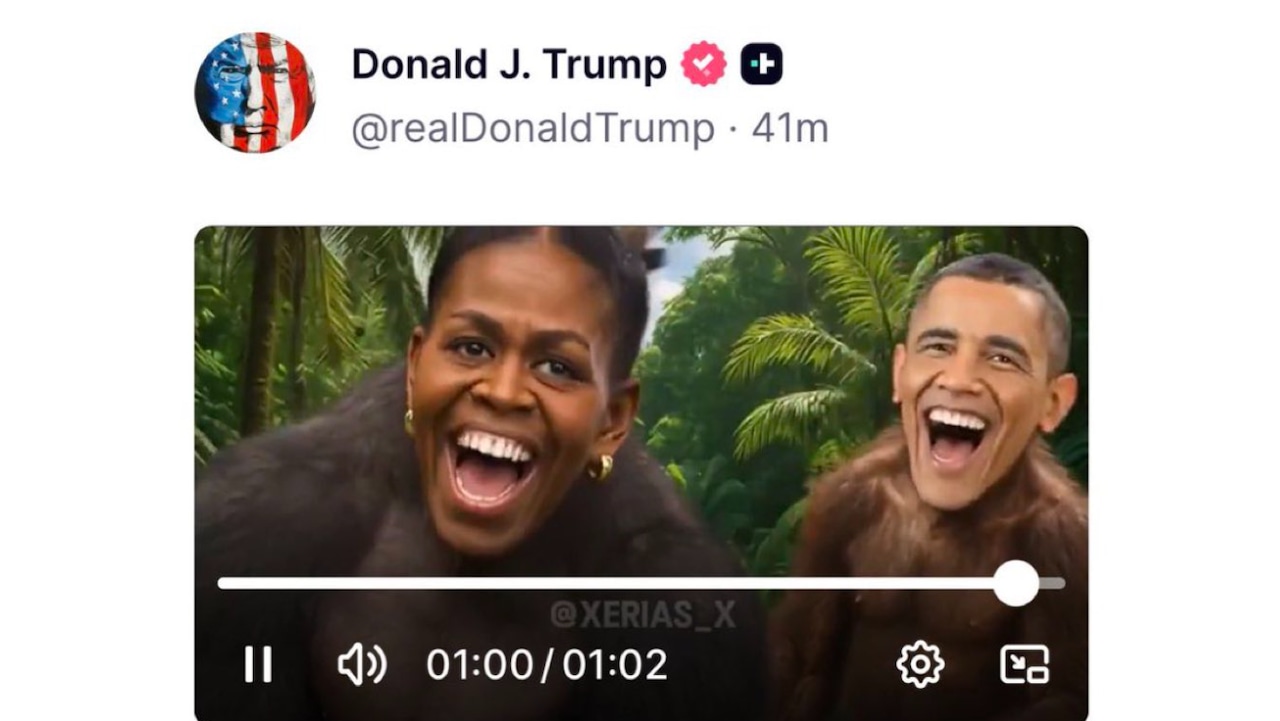
In recent political discourse, a disturbing video shared by former President Donald Trump has ignited significant outrage, resurfacing conversations about racism in American politics. The video, which depicts former President Barack Obama and First Lady Michelle Obama in a derogatory manner, has triggered a firestorm of criticism from various political commentators, civil rights leaders, and even some Republicans who have found the imagery offensive.
The Firestorm of Controversy
On February 6, 2026, Trump posted a video on his social media platform that showed the Obamas portrayed in a manner reminiscent of long-standing racist tropes. The video, which was subsequently deleted due to its offensive content, has been described as depicting the couple as monkeys, a depiction rooted in historical racist caricatures aimed at dehumanizing Black individuals. For those unfamiliar with the implications of such imagery, it invokes a painful legacy of racism that is deeply offensive and hurtful.
The backlash was immediate. Critics lambasted Trump, calling the post one of the most egregious actions witnessed from a sitting president. Notably, Senator Tim Scott of South Carolina, the only Black Republican in the Senate, publicly condemned the video, stating it was “the most racist thing I’ve seen out of this White House.” This sentiment was echoed across the aisle, highlighting a rare moment of bipartisan consensus against the use of racist imagery in political rhetoric.
Trump’s Response and the Aftermath
In the aftermath of the uproar, Trump maintained a defiant stance. He stated that he “didn’t see” the offensive portion of the video before it was posted and refused to issue an apology, asserting his right to free speech and dismissing calls for accountability from various quarters, including his own party. Critics have argued that this response reflects a broader trend within Trump’s approach to race and identity politics, where he often downplays the significance of racial issues.
The video has not only prompted discussions about Trump’s rhetoric but has also raised questions about the responsibility of public figures in the digital age. With social media being a primary platform for political communication, the potential for the spread of harmful stereotypes and misinformation is heightened. The incident underscores the necessity for greater scrutiny of content shared by leaders, particularly when it involves sensitive racial issues.
The Role of Media and Public Discourse
Coverage of the incident has been extensive, with multiple news outlets weighing in. For instance, articles from major publications such as PBS, Politico, and KBTX provide critical analysis and factual reporting, highlighting not just the event itself but the broader context of racism in political imagery.
The normalization of such imagery in political discourse has dangerous implications. This incident serves as a reminder that while free speech fosters debate, it can also perpetuate harm, especially regarding marginalized communities. The repulsive nature of using racial imagery, like depicting African Americans as primates, feeds into systemic racism that continues to plague society.
Looking Ahead: The Future of Political Rhetoric
As we analyze this incident, it becomes evident that political communication increasingly intersects with issues of identity and representation. While some may argue that the outrage is a result of political correctness, the reality is that language and imagery hold power. The portrayal of the Obamas in such a light stirs deep-seated historical traumas and requires a more nuanced conversation about race and representation in America.
As we move forward, it is crucial for political leaders to engage with these topics thoughtfully and responsibly. The use of social media as a platform for political discourse demands an understanding of the ramifications of shared content. Leaders must be willing to hold themselves accountable and foster a political culture that does not tolerate racism in any form.
Conclusion: The Imperative for Change
The recent controversy surrounding Trump’s video is not just a fleeting moment but a pivotal instance that encapsulates ongoing struggles with race in America. It challenges all of us—policymakers, media professionals, and citizens—to engage in serious reflection about our discourse and the images we portray. The fight against racism requires collective effort, education, and a steadfast commitment to equality for all. Only then can we work towards a more inclusive political landscape.
For more information on this topic, visit AL.com.