



Understanding the TN Special Election Results
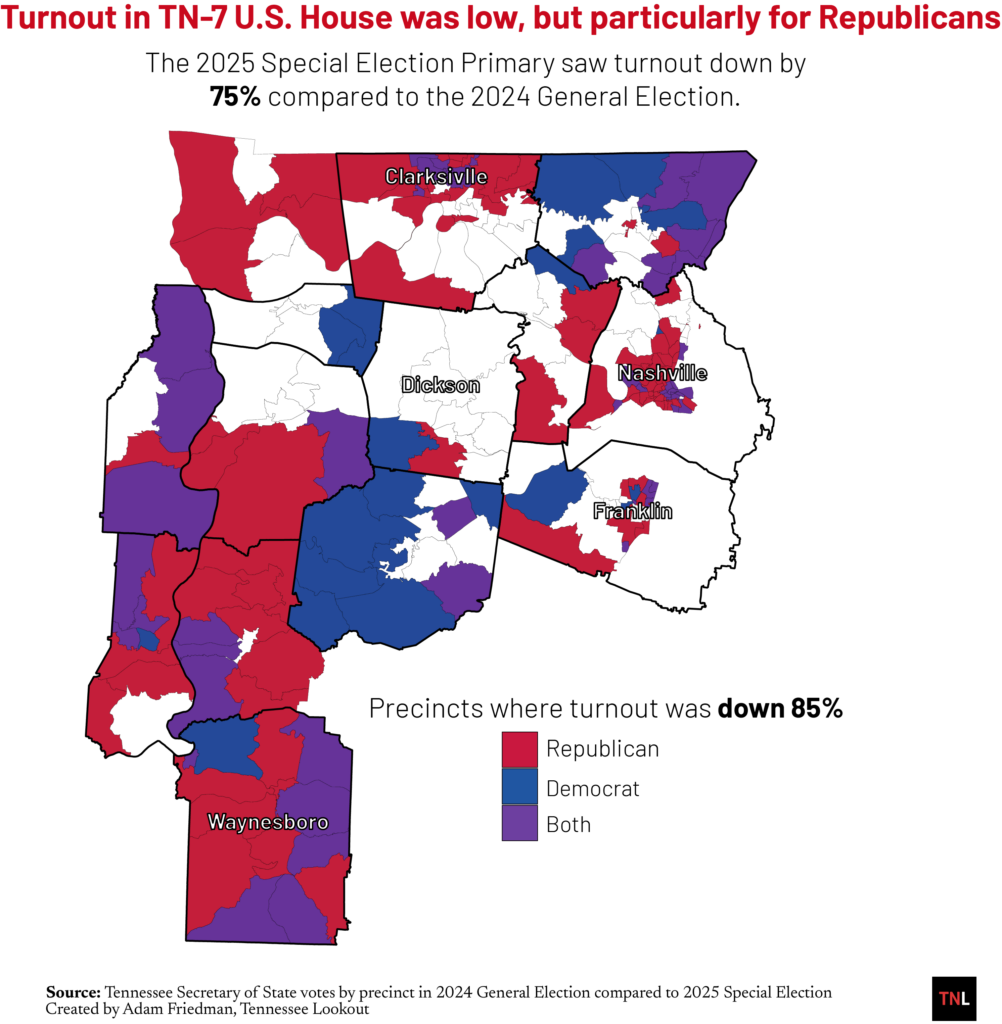
The Tennessee special election results have garnered significant attention, and it’s crucial to break down the implications of this event for the political landscape in the state. With voter turnout notably down by 75% in certain regions, particularly in Republican strongholds, the results prompt inquiries into the underlying factors driving these numbers.
The Context and Importance of the TN Special Election
Special elections serve as bellwethers for future political trends, and the recent TN special election is no different. While many observers anticipated a competitive race, low turnout raised eyebrows. The election results reflect prevailing sentiments among voters and can significantly influence future electoral strategies.
Voter Turnout: A Critical Metric
An alarming statistic emerged from the election: voter turnout was down by 75% in middle Tennessee, particularly among traditionally Republican demographics. This decline raises questions about voter engagement and satisfaction with current political offerings. According to Tennessee Lookout, this drop in participation was especially pronounced in regions where GOP candidates have historically fared well.
Key Factors Influencing Voter Engagement
Several factors may have contributed to the lack of engagement seen in this special election. Some of these include:
- Political Apathy: With many voters feeling disconnected from candidates and frustrated with political gridlock, apathy can lead to significant drops in turnout.
- Candidate Appeal: The candidates vying for votes may not have resonated with constituents, leading to lower enthusiasm for participating in the election.
- COVID-19 Impact: Ongoing concerns about health and safety due to the pandemic have continued to play a role in voter turnout trends.
Analyzing Electoral Trends
The 2025 Tennessee special election results underscore shifting dynamics within Tennessee politics. A thorough analysis of these trends can offer valuable lessons for both political strategists and civic leaders aiming to enhance voter engagement.
Implications for Future Elections
The implications of the TN special election results stretch far beyond this single event. Low turnout in critical Republican areas could signal a need for the GOP to reevaluate its outreach strategies, engage with constituents more meaningfully, and address the issues that matter to voters. Additionally, Democratic candidates might see this as an opportunity to capitalize on potential vulnerabilities within Republican ranks.
The Role of Grassroots Campaigning
In light of the TN special election results, grassroots campaigning becomes an invaluable strategy. Engaging with communities on a personal level can foster relationships and encourage voter participation. Local activists and organizations can play a vital role in mobilizing voters and bridging the gap between constituents and political representatives.
Concluding Thoughts
The Tennessee special election results provide critical insights into the evolving political landscape in the state. Whether you’re a political analyst, a seasoned campaigner, or an engaged citizen, understanding these results helps illuminate the path forward. Only by focusing on what drives voter engagement and recognizing shifts in sentiment can future electoral success be attained.