

The Supreme Court Tariff Ruling: Understanding Its Implications
The Supreme Court’s recent ruling regarding tariffs imposed by the Trump administration has stirred significant debate among business leaders and policymakers alike. This decision not only affects the legal landscape of tariff imposition but also has substantial implications for American businesses and the economy as a whole. It is essential to navigate these changes to adequately prepare for potential impacts on various sectors.
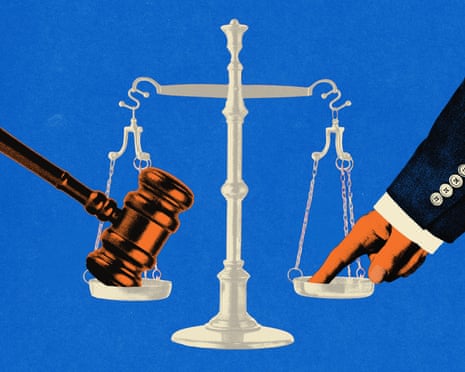
As of February 20, 2026, the Supreme Court ruled that the International Emergency Economic Powers Act (IEEPA) does not grant the President the authority to unilaterally impose such tariffs. This ruling, which strikes down a significant portion of the tariffs previously levied, emphasizes the need for Congressional oversight in matters of this magnitude.
The Background of the Tariff Debate
Tariffs, defined as taxes imposed on imported goods, are traditionally used to protect domestic industries from foreign competition. However, under President Trump’s administration, tariffs on a wide range of goods were enacted as a means to drive down trade deficits and respond to what were termed ‘unfair trade practices’ by countries like China.
The legal foundation for these tariffs was challenged on grounds of presidential overreach. Critics argued that this potential for unilateral action could set a dangerous precedent, undermining both international trade relations and domestic economic stability.
The Supreme Court’s Deliberation Process
The road to the Supreme Court’s decision was marked by a series of legal challenges initiated by various stakeholders. These included a multitude of trade associations, businesses, and state governments who claimed that the tariffs adversely impacted their operations. The Court’s deliberation took months, with oral arguments presented in early November 2025.
The arguments centered around the interpretation of the IEEPA and whether the president could act without Congressional approval in matters tied to international trade. Ultimately, the Supreme Court’s unanimous decision reflected a stringent interpretation of executive powers within the context of federal trade policy.
Immediate Implications for the Economy
In the wake of the Supreme Court ruling, American businesses are anticipating a wave of changes. With up to $175 billion projected to be refunded to companies affected by the tariffs, as outlined by the Penn Wharton Budget Model, this decision carries significant potential for economic relief.
The ruling is expected to generate immediate refunds to affected companies, with some estimating that these funds could stimulate reinvestment in workforce expansion and infrastructure. The removal of the tariffs also opens opportunities for reduced prices on imported goods, providing consumers with lower costs.
Long-term Considerations for Businesses
While the ruling provides immediate relief, businesses must remain vigilant as the landscape of trade policy evolves. Experts suggest that the next steps will involve seeking clarification on the future of tariff impositions and whether subsequent administrations might attempt to navigate around this ruling.
Additionally, companies should consider diversifying their supply chains to mitigate risks associated with international trade volatility. Implementing proactive strategies, such as leveraging technology for automation and enhancing operational workflows using platforms like n8n, can be pivotal in adapting to new market conditions.
Conclusion
The Supreme Court’s ruling on the tariffs represents a critical turning point in U.S. trade policy. HR professionals and business leaders must analyze its implications closely to inform their strategies effectively. Embracing flexibility, investing in technology, and staying informed of legal developments will be paramount for navigating this changing environment.
For more in-depth analysis and ongoing coverage of the Supreme Court’s decisions, you can follow updates from reliable sources such as The Guardian and SCOTUSblog.