

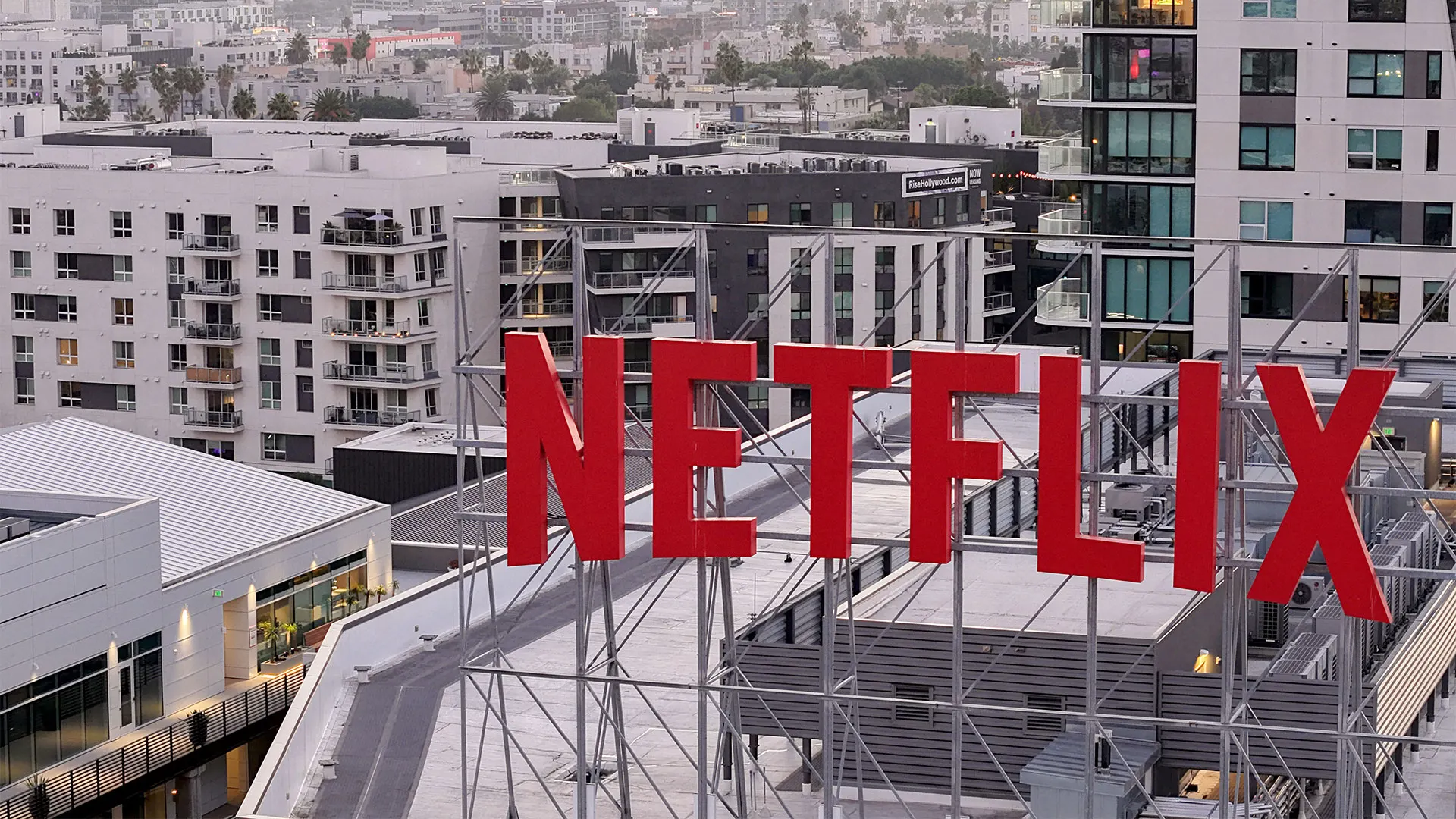
The Implications of Netflix’s Interest in Warner Bros: What It Means for Stockholders
Netflix has been a staple in the streaming industry, captivating audiences worldwide with its original content and extensive library. Recently, discussions surrounding Netflix acquiring Warner Bros have intensified, and with it, a lot of questions have arisen regarding Netflix’s stock and what this potential acquisition could mean for investors. In this article, we’ll delve into the dynamics of this prospective deal, how it could affect Netflix’s growth strategies, and what it means for shareholders.
Understanding the Context: Netflix and Warner Bros
In recent years, the streaming landscape has evolved dramatically. Companies are fighting for dominance, and operational complexities are on the rise. As competition escalates, Netflix’s exploration of acquiring Warner Bros (along with its associated assets like HBO) seems to be a strategic move aimed at enhancing its content portfolio.
When we analyze the possibility of this acquisition, it’s essential to consider the factors driving Netflix’s strategy and the implications for its stock.
The Current State of Netflix’s Stock
As of late 2023, Netflix’s stock performance has been a subject of interest among investors. After experiencing significant ups and downs over the past couple of years, many investors are analyzing whether investing in Netflix stock is a wise move right now, especially in the context of acquisitions like Warner Bros. According to Fast Company, Netflix’s stock price has faced challenges as the company navigates a highly competitive streaming marketplace.
Why Warner Bros?
Warner Bros is home to a vast array of intellectual properties, from blockbuster movies to beloved television series. By acquiring Warner Bros, Netflix would not only bolster its library but also significantly expand its audience reach and content offerings. This move could serve two primary purposes:
- Diversified Content Library: Gaining access to franchises like Harry Potter, DC Comics, and the iconic catalog of Warner Bros films can enhance Netflix’s appeal among various demographic segments.
- Competitive Edge: In an era where content is king, owning a larger portfolio of high-performing shows and movies can give Netflix a significant competitive advantage over platforms like Disney+, Amazon Prime, and Hulu.
Market Reactions and Analyst Views
The prospect of Netflix acquiring Warner Bros has stirred varied reactions among market analysts. While some experts view this potential merger as a pathway to stronger positioning in the industry, others express concerns regarding the financial ramifications of such an acquisition. Issues such as valuation discrepancies, integration challenges, and potential regulatory scrutiny are critical factors to consider.
Investors are keenly watching market trends and analyst predictions surrounding this acquisition. The sentiment among shareholders could influence Netflix stock prices as reports about the acquisition progress unfold.
Potential Impacts on Shareholder Value
When evaluating the potential impacts on shareholder value, it’s important to understand that mergers and acquisitions can have immediate and long-term consequences. For Netflix shareholders, a successful acquisition could lead to:
- Increased Revenue Streams: An expanded library might not only attract new subscribers but also facilitate better retention rates.
- Stronger Brand Recognition: Leveraging Warner Bros’ well-established brand could provide Netflix with a solid platform for marketing and partnerships.
- Stock Performance Boost: Positive earnings reports following an acquisition can enhance stock performance and unlock shareholder value.
Challenges Ahead
While the acquisition of Warner Bros comes with myriad opportunities, there are also significant challenges that Netflix must navigate. Integration processes can often be fraught with difficulties, including cultural mismatches, operational redundancies, and platforms’ technological integration. Moreover, the competitive landscape necessitates constant innovation, and merely acquiring content does not guarantee success.
Another factor to take into account is the financial aspect of such an acquisition. Investors typically express concern regarding substantial capital outlays without guaranteed returns, especially in a market where profits can be volatile. Netflix has historically focused on curating original content to draw in subscribers; how it balances this with acquired content will be pivotal.
Looking Ahead: How Should Investors Prepare?
For investors, monitoring the developments concerning the Netflix and Warner Bros acquisition is critical. Here are a few guidelines that might aid in making informed decisions:
- Stay Informed: Keeping up with news on Netflix and industry trends can provide insight into the potential success of the acquisition.
- Analyze Market Sentiment: Observing social media trends, analyst reports, and investor sentiment can be indicative of stock performance.
- Diversify Investments: As with any investment, diversification is crucial. Evaluating opportunities in parallel sectors might mitigate risks associated with potential fluctuations in Netflix stock.
Conclusion
The discussion regarding Netflix’s interest in acquiring Warner Bros presents an intriguing angle in the ongoing evolution of the streaming industry. For Netflix, this effort represents a bold strategy to not only compete but to thrive in an increasingly crowded market.
Investors must stay vigilant about the implications that such a shift might harbor on Netflix stock. While the potential for growth exists through expanded content offerings and enhanced brand value, challenges abound that require careful navigation. For now, maintaining an ongoing dialogue about stock performance and remaining updated about the acquisition’s developments is key for those invested in Netflix’s future.