


Kash Patel: The Controversial FBI Director Nominee
Kash Patel has become a prominent name in recent political headlines, particularly surrounding his nomination as the FBI Director. But who is Kash Patel, and what does his potential appointment mean for the future of the FBI and its operations? This comprehensive analysis unveils our current understanding of Patel’s career, his political affiliations, and potential implications for the FBI.
The Rise of Kash Patel
Kash Patel came into public prominence during the Trump administration, where he held various influential positions. Notably, Patel served as the Chief of Staff to the Department of Defense (DoD) and as the Deputy Assistant to the President for the National Security Council. His career trajectory reflects a strong alignment with Trump-era policies, including a focus on national security and immigration issues.
Patel has been an influential figure in promoting narratives that align with Trump’s administration, particularly regarding investigations into alleged election fraud and the Russia investigation. His involvement in key national security matters has drawn both praise and criticism, which is amplified in his new nomination.
Controversial Nomination and Senate Hearings
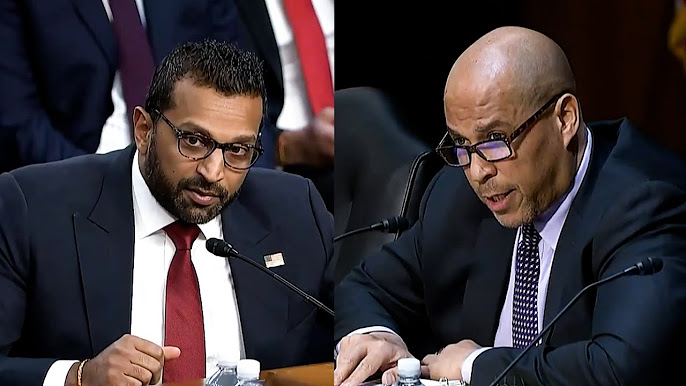
As Patel stands to be nominated as the FBI Director, his confirmation hearing is awaiting public scrutiny. With a history of partisan positions and actions, the confirmation could be contentious. Recent reports suggest that he will face intense questioning regarding his suitability for this pivotal role, especially considering his close ties to Trump and the department’s need for impartial leadership.
During his hearings, it is expected that senators will question Patel on his ability to maintain independence from political pressures and his stance on ongoing issues within the Bureau, such as political bias, security protocols, and how to rebuild trust with American citizens.
The Implications of Patel’s Leadership on the FBI
If confirmed, Patel’s leadership could lead to significant changes in how the FBI operates, particularly in areas concerning surveillance, cybersecurity, and national security operations. Under his guidance, the FBI may shift its current strategic focus to address perceived threats from foreign actors and domestic extremism more aggressively.
Moreover, his confirmation would signal a broader political shift within the FBI from a traditionally non-partisan agency to one that could potentially reflect more partisan interests, which raises concerns among civil liberties advocates.
What Next for Kash Patel?
As the confirmation hearing unfolds, Patel’s responses, particularly regarding accountability and transparency within the FBI, will be critical in determining public perception and acceptance of his nomination. Observers anticipate that he will need to reassure the public and lawmakers alike about his ability to lead the FBI impartially.
Furthermore, with the increasing digital threats facing the U.S., Patel will be tasked with ensuring that the FBI evolves to face not just traditional threats but also cyber-attacks that can undermine national security.
Final Thoughts
Kash Patel’s nomination as FBI Director signifies a potentially transformative period for the agency, driven by political dynamics that could alter its long-standing traditions of neutrality. As the hearings provide a platform for questioning, stakes are high for Patel in convincing the Senate of his capacity to uphold the integrity and mission of the FBI. The next steps in this process will set the tone for the relationship between law enforcement and the political landscape in the coming years.
For more information and ongoing updates regarding Kash Patel and his confirmation hearing, follow reputable news sources, and keep an eye on the upcoming sessions in Congress.
Sources: