



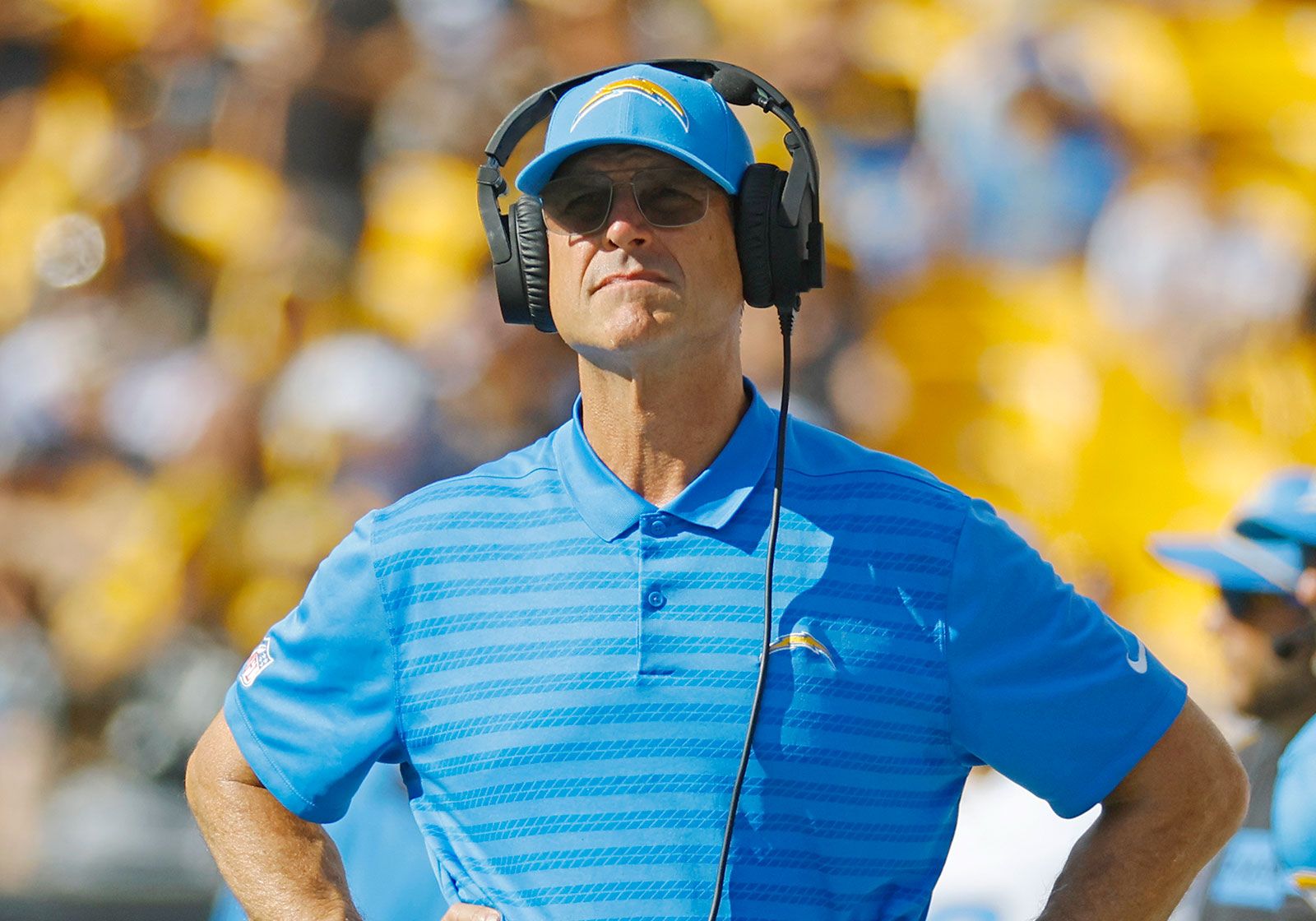
The Journey and Impact of Jim Harbaugh: A Deep Dive into His Career
In the world of American football, few names resonate as strongly as Jim Harbaugh. Known for his fierce competitiveness and unique coaching style, Harbaugh has risen through the ranks to become one of the most recognized figures in the sport. This blog post explores the remarkable journey of Jim Harbaugh, his contributions to football, and how his strategies have shaped the coaching landscape.
Who is Jim Harbaugh?
Jim Harbaugh was born on December 23, 1963, in Toledo, Ohio. His passion for football ignited at a young age, and he went on to have a notable collegiate career playing quarterback for the University of Michigan. Harbaugh’s talent on the field led him to the NFL, where he was drafted by the Chicago Bears in 1987. Over his 14-year career, he played for multiple teams, including the Indianapolis Colts and the Baltimore Ravens, showcasing his skills as an adept leader and player.
Transition from Player to Coach
After retiring from professional play, Harbaugh quickly transitioned into coaching. He began his coaching career at the University of San Diego, where his leadership resulted in an impressive turnaround for the program. Harbaugh’s success at San Diego secured him the head coaching position at Stanford University, where he further proved his capabilities. Under his guidance, Stanford achieved significant victories, helping elevate the program’s national profile.
Jim Harbaugh’s Success at the University of Michigan
In 2015, Jim Harbaugh returned to his alma mater, the University of Michigan, as head coach. This marked a significant moment in his career—as he aimed to restore the pride and performance of Michigan football. His hiring was met with high expectations, and Harbaugh did not disappoint. He quickly revitalized the team, attracting top talent and instilling a winning mentality.
One of the most notable aspects of Harbaugh’s coaching philosophy is his emphasis on fundamentals. He believes that a strong foundation in basic skills is crucial for success at higher levels of competition. This approach not only enhances player performance but also prepares them for potential professional careers in football.
Innovations in Coaching Style
Harbaugh is known for his innovative techniques and strategies on and off the field. For example, he places a considerable focus on player development, often conducting rigorous training camps that emphasize mental and physical conditioning. His methods include a blend of traditional drills alongside cutting-edge analytics, allowing for a comprehensive training regimen that respects the game’s history while also looking towards its future.
Moreover, Harbaugh’s understanding of athlete psychology has enabled him to connect deeply with his players. His motivational techniques and insistence on accountability create an environment where players can thrive, both individually and as part of a team. This is particularly evident in high-pressure situations, where his team has often rallied to outperform their competition.
The Rivalries and Highlights of His Career
Throughout his career, Harbaugh has been involved in numerous intense rivalries, most notably with teams like Ohio State and Michigan State. These matchups electrify fans and are pivotal in determining season outcomes. Under Harbaugh’s leadership, Michigan has experienced a resurgence, and games against these rivals are critical for both recruitment and legacy.
His tenure has also been marked by impressive bowl game appearances, including the Citrus Bowl and the Peach Bowl. These games not only showcase his team’s skills but also provide a platform for emerging talent to shine on a national stage, further enhancing the school’s football reputation.
The Harbaugh Legacy
Jim Harbaugh’s impact extends beyond just wins and losses; it encompasses the lives he influences as a coach. Players often credit him with not only improving their on-field skills but also helping them develop as individuals. Harbaugh focuses on accountability, perseverance, and resilience—qualities that serve his players well beyond their college years and into their professional endeavors.
As the landscape of college football continues to evolve with new technologies and methodologies, Harbaugh remains adaptable, leveraging analytical tools and data-driven insights to gain a competitive edge. His commitment to embracing change while staying grounded in the sport’s fundamentals illustrates the duality of his approach to coaching.
Conclusion
In summation, Jim Harbaugh’s career has been characterized by an unwavering dedication to excellence and a passion for the game. His journey from a star quarterback to a renowned coach embodies the spirit of hard work and determination. Fans, players, and fellow coaches alike look to Harbaugh not only as a leader on the field but also as a mentor off the field. His strategies and teaching methods will likely influence generations of football players and coaches to come.
For further insights into the life of Jim Harbaugh, you can visit his biography on Britannica.com.