



Japan Earthquake Today: What You Need to Know
The Japan earthquake today has captured the attention of both local inhabitants and the global community. With its notable seismic activity, Japan’s geographical location makes it susceptible to such natural disasters. As reports emerge regarding the latest tremors and their impacts, understanding the implications of these events has never been more critical.
In recent hours, Japan faced a series of jolts, prompting both immediate humanitarian responses and long-term considerations for disaster preparedness. The Japan earthquake today, described by experts and analysts, showcases the country’s resilience and the essential need for continuous advancement in disaster response strategies.
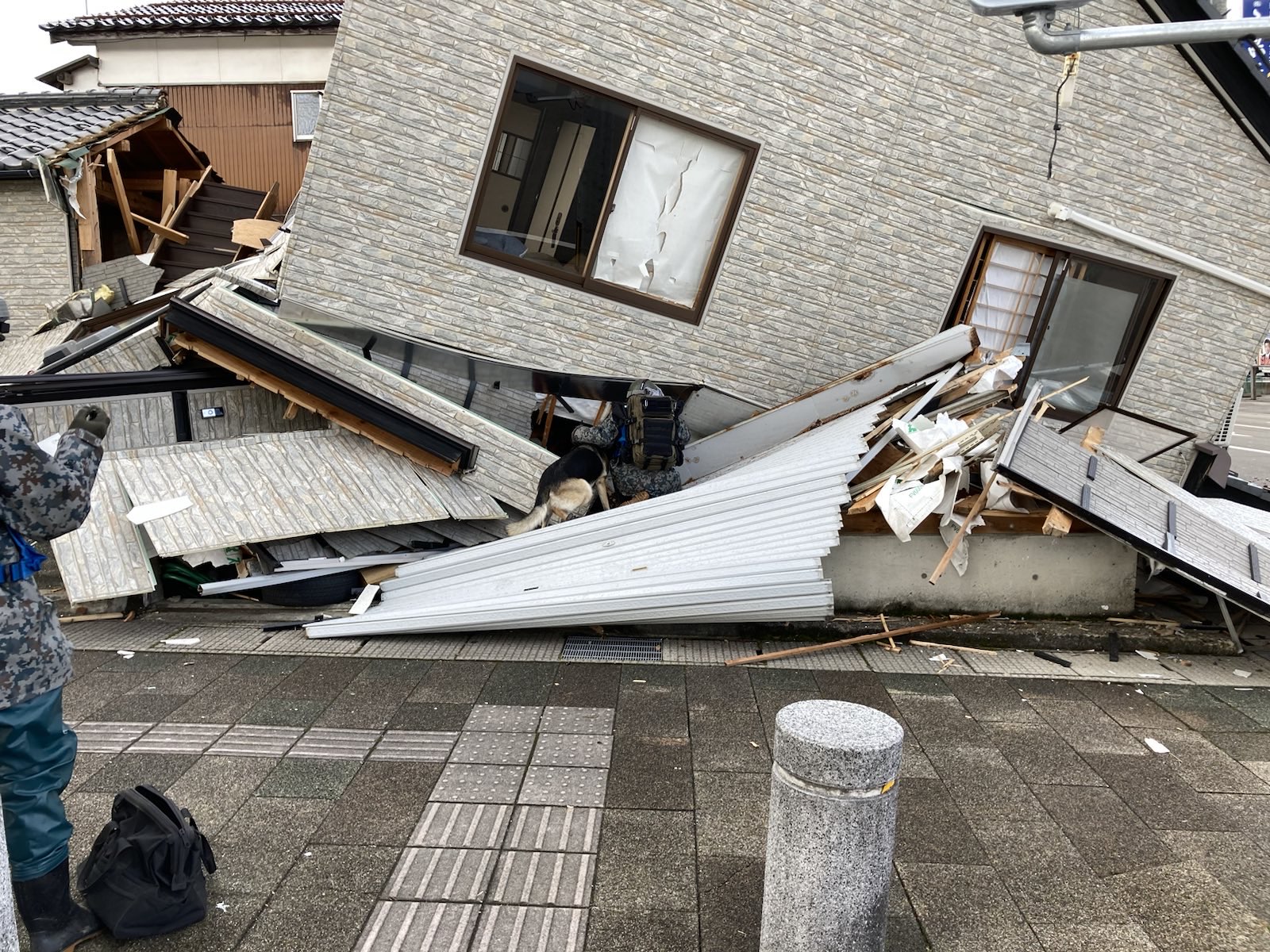
According to Disaster Philanthropy, the earthquake struck at 3:30 PM local time, measuring 6.0 on the Richter scale, with its epicenter located near the coast of Shizuoka Prefecture. Initial reports indicate significant structural damage in several nearby towns and cities, leading to emergency services being deployed across the affected zones.
Historical Context of Earthquakes in Japan
Awareness of earthquakes is ingrained in Japanese culture and history. The 2011 Tōhoku earthquake and tsunami that devastated extensive parts of the country serves as a stark reminder of nature’s volatility and humans’ vulnerability. Japan is located in a seismically active zone known as the “Ring of Fire,” which makes it crucial for residents and authorities to approach each significant seismic event with preparedness.
Following the tragic events of 2011, Japan implemented numerous disaster mitigation strategies, enhancing infrastructure resilience, and emergency response capabilities. These experiences not only empowered local governments but also educated citizens on preparedness measures, ultimately contributing to a robust disaster response framework.
The Immediate Humanitarian Response
In the wake of the Japan earthquake today, immediate responses by local authorities have commenced. Evacuation orders have been issued in proximity to the epicenter as precautionary measures are implemented. As reported, shelters have been established across affected cities, and emergency medical services are actively engaged in addressing injuries and assessing damage.
Additionally, multiple organizations, including the Japanese Red Cross, have mobilized to extend aid and relief efforts, focusing on both immediate needs like food and medical supplies and long-term recovery initiatives. Community volunteers are also coming together, showcasing the collective spirit of Japanese citizens.
Looking at Disaster Preparedness and Response
Given the frequency of seismic events in Japan, preparedness cannot be overstated. Training programs, regular drills, and public education efforts ensure that citizens are well-versed in what actions to take in the event of an earthquake. Notably, schools across Japan conduct regular earthquake drills, and businesses implement established protocols to safeguard employees and assets.
In addition, advanced technologies such as seismic alert systems and building retrofitting play a vital role in mitigating risks. Real-time alerts can provide precious seconds for residents to seek shelter, while modern architecture seeks to withstand substantial tremors, significantly reducing potential casualties.
Long-Term Considerations Post-Earthquake
The road to recovery from the Japan earthquake today will require meticulous planning and robust infrastructure. Experts indicate that beyond immediate relief efforts, attention must be directed towards rebuilding communities in sustainable and disaster-resilient manners. This involves re-evaluating urban planning practices and ensuring that future developments consider seismic risks.
Moreover, community engagement is essential in recovery efforts. Listening to community needs and incorporating local input into rebuilding strategies fosters trust and ensures that restoration endeavors are culturally sensitive and effective. Stakeholders, including governmental, non-governmental, and private sectors must collaborate towards these efforts.
Conclusion: Towards a Resilient Future
TheJapan earthquake today serves as a pivotal moment, reminding us of nature’s power while highlighting human resilience. Understanding the intricacies of disaster response and preparedness equips us to handle such occurrences with dignity and efficacy. As Japan continues to navigate through this current crisis, the world stands in solidarity, learning from their experiences to enhance global disaster response strategies.
For further details regarding the impact of the 2024 Japan earthquake, visit Disaster Philanthropy and continue to follow updates from reliable news sources.