



Japan Earthquake Today: Understanding Its Impact and Response
As we witness the earth shake beneath us, natural disasters like the Japan earthquake today remind us of the unpredictable power of nature. Earthquakes have been a part of Japanese history for centuries, but advancements in technology, emergency response, and community resilience have significantly changed how such events are managed and how society recovers. This article delves into the details of the current situation regarding the earthquake in Japan, its effects on the populace, recovery efforts, and the potential for using technology in disaster response.
Current Status of the Japan Earthquake
Today, Japan experienced a significant earthquake that has raised concerns for its population and infrastructure. According to reports, this particular earthquake struck in the early hours, measuring at a magnitude that has yet to be assessed definitively due to ongoing evaluations by geological agencies.
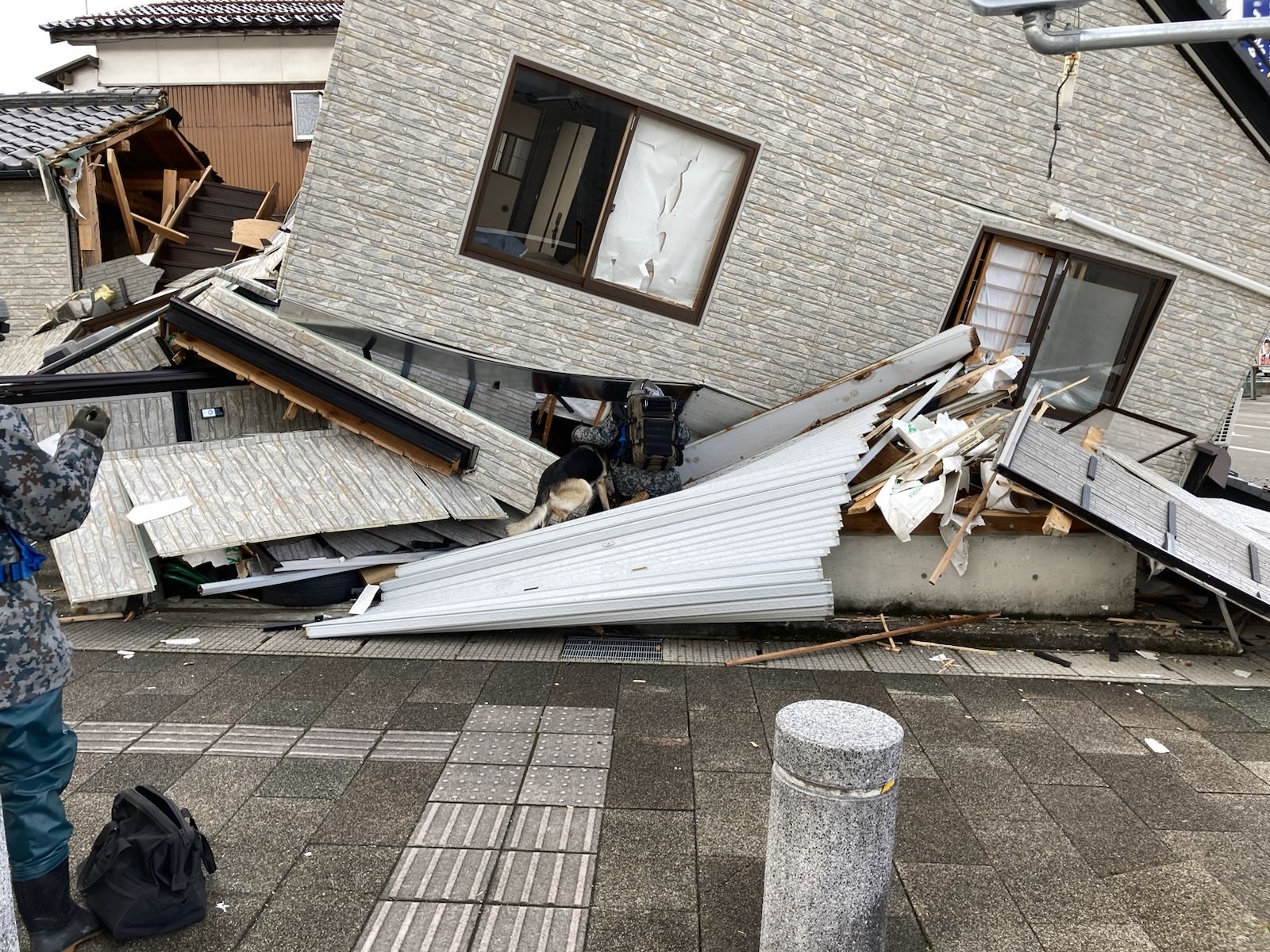
Emergency response crews have mobilized quickly, demonstrating Japan’s preparedness for such natural disasters, reflective of extensive training and development in earthquake anticipation and management. For more detailed, up-to-date information, you can refer to Disaster Philanthropy.
The Historical Context of Earthquakes in Japan
Japan’s geographical positioning along the Pacific Ring of Fire makes it particularly susceptible to seismic activity. Historically, the country has faced numerous devastating earthquakes, like the Great Kanto Earthquake of 1923 and the more recent Tōhoku earthquake in 2011. The latter taught profound lessons on disaster response, highlighting the importance of early warning systems and community preparedness.
As a response to such disasters, Japan has made significant investments in infrastructure, building regulations, and ongoing research to better predict and mitigate the effects of earthquakes. This proactive approach is essential for safeguarding lives and property.
Impact on Communities
The immediate aftermath of today’s earthquake has impacted communities across Japan. Though the extent of damage is still being evaluated, local authorities have been quick to implement evacuation protocols. Such measures are vital to ensure the safety of residents, particularly in regions closest to the earthquake’s epicenter.
Japanese resilience is evident as communities come together to support one another. Local organizations and volunteer groups have been pivotal in providing immediate assistance to affected families, offering food, shelter, and emotional support during these trying times.
Technology and Disaster Response
As we navigate through this challenging moment, technology plays a critical role in disaster response and recovery. Japan has been at the forefront of utilizing advanced technology in earthquake preparedness. The integration of artificial intelligence (AI) in predictive analytics can help forecast potential seismic activities, allowing for proactive measures.
Moreover, tools like n8n workflows can automate communication channels and logistical operations during such crises. For instance, automating alerts to local leaders and responders can ensure timely information dissemination, coordinating resources effectively. This not only reduces response time but also enhances collaboration between agencies, resulting in efficient management during an emergency.
Global Support and Solidarity
In light of current events, global reactions are crucial. Countries around the world are extending their support to Japan, offering resources and expertise in disaster management. International organizations are mobilizing to provide assistance, showcasing the global community’s solidarity in the face of adversity.
Looking Ahead: Building a Safer Future
While the effects of today’s earthquake are still unfolding, it is essential for Japan and the rest of the world to reflect on the measures that must be taken to enhance earthquake resilience. Policymakers and community leaders must prioritize collaboration in disaster risk reduction strategies, ensuring that innovations in technology and shared knowledge contribute towards safer environments.
Awareness campaigns and educational programs will continue to play a vital role in preparing future generations. By fostering a culture of preparedness and resilience, societies can better navigate the challenges posed by natural disasters.
Conclusion
As Japan navigates through the aftermath of the earthquake today, it stands as a reminder of nature’s unpredictability and humankind’s capacity for resilience and innovation. By utilizing technology, fostering community spirit, and promoting international cooperation, Japan can mitigate the impacts of earthquakes and emerge stronger.
Stay informed and engaged with ongoing developments regarding the Japan earthquake by exploring more at Disaster Philanthropy. Together, we can channel our efforts towards building a safer and more resilient society.