


Iran News: Current Tensions and International Responses
In recent weeks, Iran has been at the forefront of global news, grappling with mounting tensions and international scrutiny regarding its nuclear program and geopolitical maneuvers. This blog post delves into the latest developments in Iran, exploring the nuances of the ongoing situation and the implications for regional stability and international relations.
Major Developments in Iran
As of late February 2026, the situation in Iran has escalated dramatically. Notably, there have been significant reports of military confrontations involving the United States and Israel, cultivating an atmosphere of tension and uncertainty. An alarming increase in military activities has been observed, alongside a series of missile attacks and military announcements that underscore the complexities surrounding Iran’s nuclear ambitions. According to a report from Al Jazeera, explosions were reported across various locations in Iran as the Israeli Defence Forces conducted strikes, framing their actions as preemptive measures against perceived threats from Iran.
Israel’s Attack on Iran
Israel has recently reaffirmed its commitment to curtailing Iran’s military capabilities, conducting what it conditions as preemptive strikes targeting Iranian installations suspected of harboring nuclear materials. The Israeli Defense Minister, Israel Katz, pointed to a perceived necessity for such actions, declaring a state of emergency in response to the escalation. The UN nuclear watchdog’s report indicated that Iran continues to neglect its obligations regarding nuclear safeguards, raising alarms within the international community.
US Involvement and International Reactions
The involvement of the United States, particularly under the leadership of former President Donald Trump, has exacerbated the tensions in the region. Recent statements from the White House indicate a proactive approach to addressing the threats posed by Iran, with support behind military operations identified as critical for national and allied security. The U.S. has sought assistance from its international partners, particularly China, urging them to exert their influence over Iran’s military ambitions, the BBC reported.
Public Protests and Internal Strife
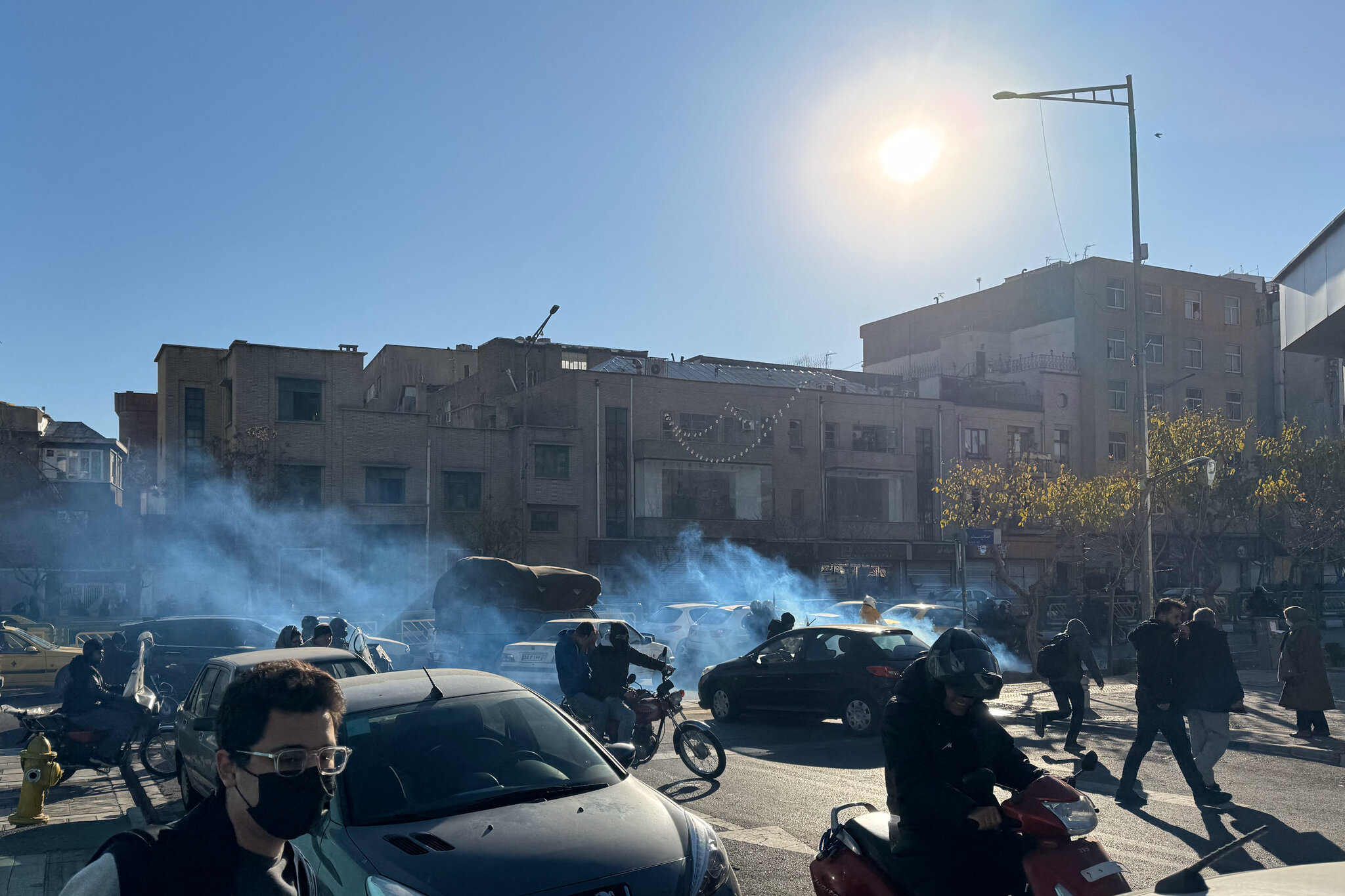
Amidst the geopolitical turmoil, Iran is also witnessing significant internal dissent. The government’s recent crackdown on protests demanding women’s rights drew international condemnation after reports surfaced indicating that more than 120 protesters had suffered injuries, including blindness, due to violence perpetrated by government agents. News outlets like Berkeley News highlight the dire human rights implications of the regime’s actions, shedding light on the ongoing struggle within Iran against oppressive governance.
Ongoing Negotiations and Diplomatic Channels
Despite the apparent hostilities, diplomatic efforts continue behind the scenes. Discussions held in Oman between U.S. and Iranian officials were described by Iranian authorities as a “good start,” suggesting potential openings for future negotiations aimed at de-escalating tensions. This situation presents a complex web of interests as both nations navigate a path toward resolution.
Conclusion: The Future of Iran and Global Stability
The developments in Iran are significant not only for the Middle East but also for global security and economic stability. As military actions escalate, so too does the need for diplomatic engagement to mitigate the risk of further conflict. Observers and analysts stress the importance of careful navigation through political channels, with collective responsibility resting on the international community to foster dialogue and peace.
For those interested in more in-depth coverage of the topic, additional resources can be found in the linked articles from reputable news sources.