

Iran News: Tensions Rise with Military Actions and Diplomatic Efforts
As the global political landscape continues to shift, Iran news is at the forefront, capturing the attention of world leaders and citizens alike. Recent developments illustrate the complex relationship between Iran, the United States, and Israel, particularly in the wake of escalating military actions and pivotal diplomatic discussions. In this blog post, we will explore the latest news regarding Iran, shedding light on the implications for international relations and regional stability.
In a dramatic turn of events, the United States and Israel have launched major combat operations against Iran, marking a significant escalation of tensions that have been simmering for decades. This military action has not only raised concerns for the Iranian leadership but also sparked widespread reactions from global communities.
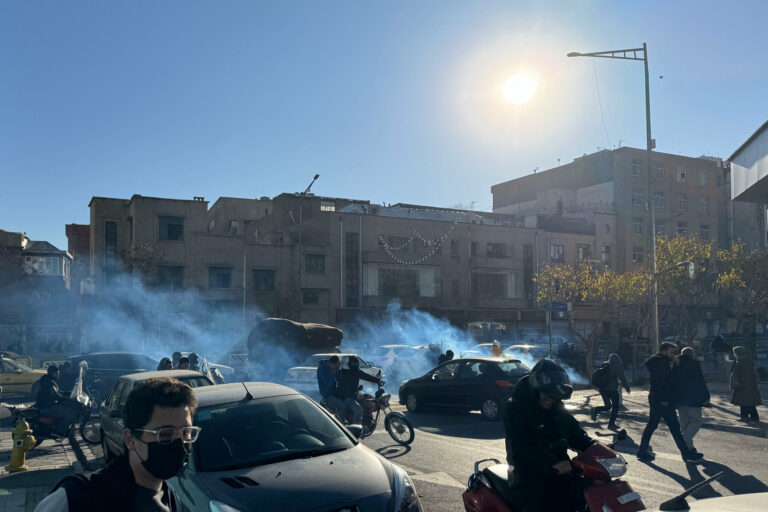
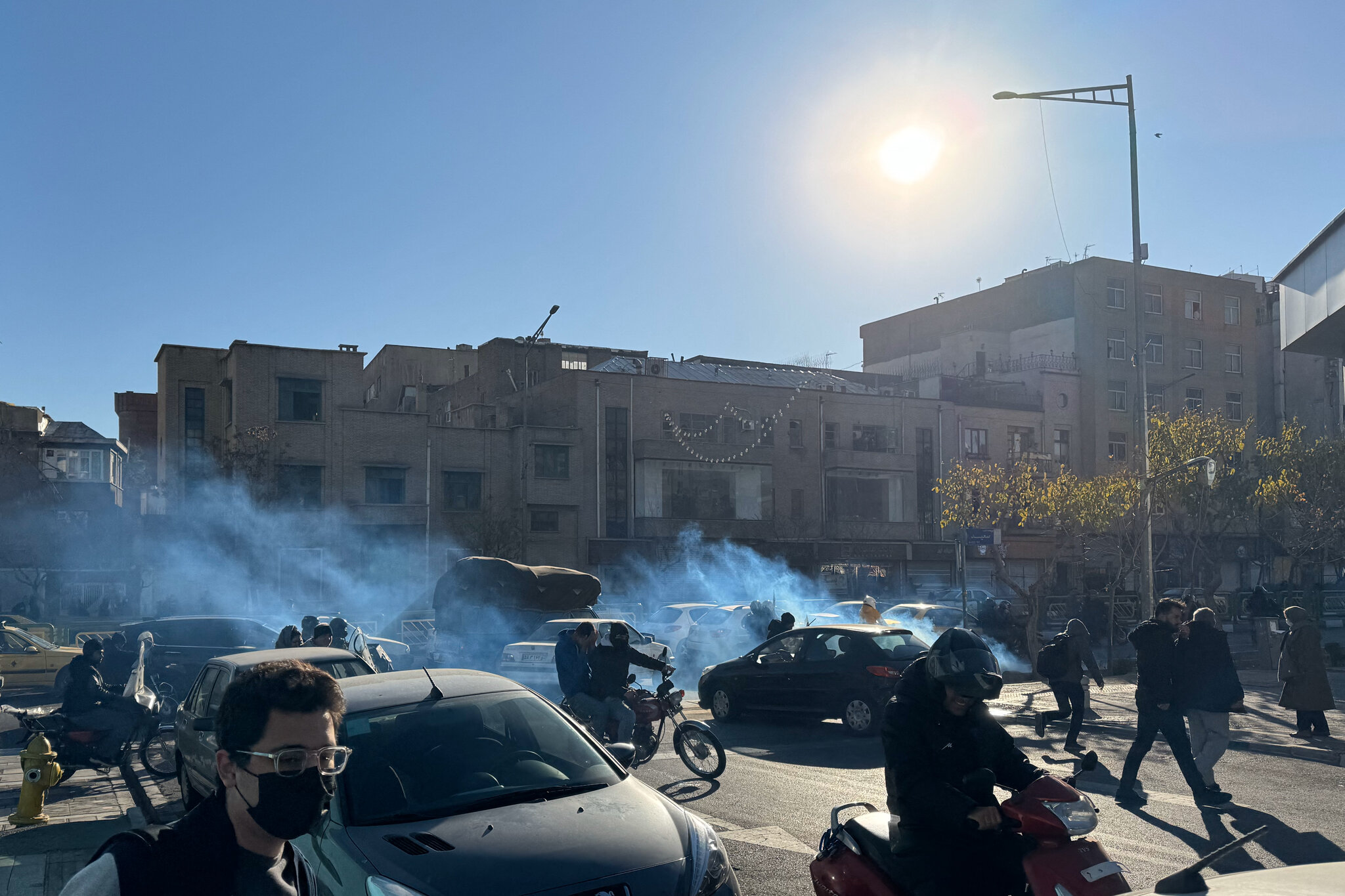
In a live update earlier today, former President Donald Trump announced the commencement of these operations, urging the Iranian people to rise up against their government. Reports indicate that multiple explosions were heard in Tehran, with Iranian forces responding aggressively to the attacks. The situation has exacerbated fears of a broader conflict in the Middle East.
The Context of Military Operations
The current military escalation appears to be linked to a series of provocations that have heightened tensions between Iran and its adversaries. According to reports, U.S. forces, in collaboration with Israel, are targeting key military sites associated with Iran’s leadership. Just hours ago, a local official confirmed that a girls’ primary school in Iran was struck, resulting in tragic casualties and further inflaming hostilities.
This tactical approach reflects a strategic shift as the U.S. seeks to re-establish a military presence in the region, influencing Iran, which has been accused of not complying with its nuclear obligations. The UN’s International Atomic Energy Agency (IAEA) has echoed this sentiment, declaring that Iran has failed to uphold its commitments regarding nuclear safeguards, which are crucial for maintaining global peace.
Diplomatic Efforts Amidst Military Escalation
Despite the ongoing military actions, diplomatic efforts are still being pursued. Recent talks held in Oman between Iran and U.S. representatives have been characterized as a ‘good start’ by Iranian officials. These discussions aimed at addressing long-standing issues related to nuclear proliferation and regional security, underscoring the importance of dialogue even amidst conflict. For further insights, readers can refer to Al Jazeera’s coverage on U.S.-Iran talks in Oman.
Furthermore, Iran’s Foreign Minister has indicated that the approach towards subsequent discussions will be contingent on cooperation from other major powers involved in the region. The international community remains watchful, knowing that any miscalculation could lead to dramatic consequences, affecting not just Iran but the entire Middle East.
Public Sentiment and Protest Movements
Within Iran, public sentiment remains deeply divided. While some citizens support the government’s stance against foreign intervention, others are calling for legitimate reforms and greater freedoms. The Iranian authorities have reportedly intensified crackdowns on protests, with allegations of severe human rights violations against demonstrators. Reports indicate that hundreds of protesters have faced oppression, with over 120 confirmed cases of serious injury due to excessive force by governmental agencies.
This suppression has not only drawn criticism from human rights organizations but also highlighted the growing unrest among the Iranian populace, showcasing a populace caught between government control and the desire for change.
International Reactions
The military actions have elicited varied responses from the international community. Allies of the United States have largely supported the operations, viewing them as a necessary step to curb Iran’s nuclear aspirations. Conversely, adversarial nations have condemned the strikes, warning of severe consequences and advocating for restraint.
In particular, Russia and China have voiced their dissent, emphasizing that military solutions often lead to detrimental outcomes for regional stability. The geopolitical implications of these actions are profound, igniting discussions about the balance of power in the Middle East and potential shifts in alliances going forward.
The Path Forward
With tensions on the rise and diplomatic avenues still open, the situation in Iran remains fluid and unpredictable. Stakeholders in the region are urged to approach the unfolding events with a careful and measured response, prioritizing dialogue over military confrontation.
For those seeking a more in-depth understanding of Iran’s current situation, additional resources and articles, including coverage on the consequences of military actions and broader geopolitical implications, can be found on various news platforms such as BBC News and Al Jazeera.
As the dust settles on today’s events, it is clear that the future of Iran and its place in the global community will require careful navigation through the current storm of military aggression and diplomatic negotiations. By staying informed and engaged, international observers can contribute to a more stable and peaceful resolution for all parties involved.