


Understanding the Role of Federal Reserve Chair Jerome Powell
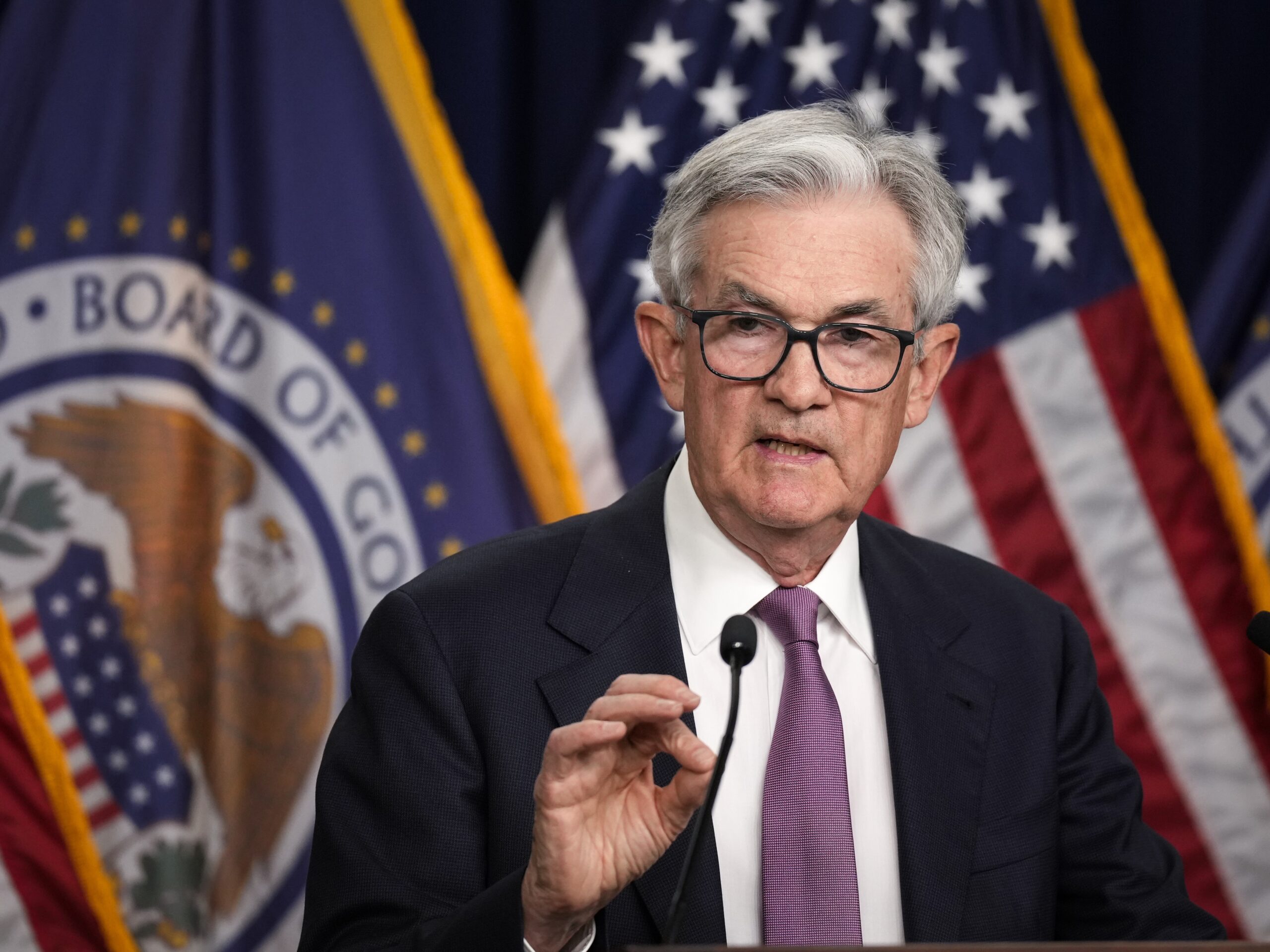
As the Federal Reserve Chair, Jerome Powell plays a crucial role in shaping the economic landscape of the United States. Appointed in February 2018, Powell’s leadership during times of economic uncertainty has showcased his commitment to fostering stable growth while managing inflation. In a recent discussion, Powell highlighted the need for potential adjustments in interest rates, citing that the “time has come to lower interest rates” as the economy faces various global challenges. This statement has ignited discussions among financial experts and market analysts regarding the future trajectory of U.S. monetary policy.
The Current Economic Landscape
To understand Powell’s insights and proposed measures, it’s essential to assess the current economic environment. The U.S. economy has experienced fluctuations in inflation rates, employment figures, and consumer spending habits. As inflation shows signs of persisting despite previous measures to control it, Powell and the Federal Reserve have to balance their approaches to ensure long-term economic stability.
Jerome Powell’s Approach to Interest Rates
Powell’s strategy emphasizes transparency and clear communication regarding interest rate adjustments. His recent statement, as reported by OPB, signifies a pivotal moment where he underscored the importance of evaluating economic indicators comprehensively before making drastic financial decisions. By indicating that lowering interest rates could be necessary, Powell aims to promote borrowing and spending, potentially stimulating economic growth.
The Interplay of Inflation and Interest Rates
The relationship between inflation and interest rates is a core focus of the Federal Reserve’s mandates. Inflation can erode purchasing power, making it critical for the Fed to control it through rate adjustments. However, the balance is delicate; if interest rates rise too rapidly, they can stifle economic growth and increase unemployment rates. This is a concern that Powell has addressed in various forums, emphasizing a cautious and data-driven approach to adjustments.
Global Economic Considerations
Another vital aspect that influences Powell’s decisions is the global economic situation. Events like geopolitical tensions, supply chain disruptions, and international trade agreements significantly impact the U.S. economy. As such, Powell’s strategies often incorporate a global outlook to allow better preparation for potential market fluctuations.
The Role of the Federal Reserve
Under Powell’s stewardship, the Federal Reserve has adapted its policies to meet pressing economic challenges. This includes a commitment to supporting financial stability through its dual mandate: maximizing employment and stabilizing prices. Powell has consistently encouraged a forward-thinking approach, prompting discussions about evolving the Fed’s framework to enhance its effectiveness in today’s complex economic environment.
Looking Ahead: Future of U.S. Monetary Policy
As we move forward, the implications of Powell’s leadership may heavily influence the broader economic landscape. Analysts are keenly observing the effects of interest rate adjustments on various sectors, including real estate, consumer goods, and manufacturing. Powell’s willingness to consider downward adjustments serves as a reminder that adaptability is crucial in economic policy-making.
Conclusion
In conclusion, Federal Reserve Chair Jerome Powell’s proactive approach and communication skills are pivotal in navigating the current economic landscape. His acknowledgment of the need for potential interest rate cuts reflects a broader understanding of the challenges facing the U.S. economy. As businesses and HR professionals monitor these developments, understanding the interplay of monetary policy and economic indicators will be essential in making informed decisions moving forward.
For further insights into Powell’s statements and plans concerning interest rates and economic growth, refer to the detailed analysis on OPB.