

Earthquake: Understanding Its Impact and How to Stay Prepared
In recent times, earth tremors have become a common topic of discussion, particularly among those searching for information about “earthquake near me.” Such inquiries reflect a growing awareness of the importance of being prepared for seismic events. As the frequency of earthquakes increases, understanding their potential impact and the necessary precautions becomes crucial for individuals and businesses alike.
The Science Behind Earthquakes
Earthquakes occur due to the movement of tectonic plates beneath the Earth’s surface. When these plates shift, they release energy in the form of seismic waves, causing the ground to shake. The scale of an earthquake can vary significantly, from minor tremors that go unnoticed to major disasters resulting in widespread destruction.
Recent Earthquake Events
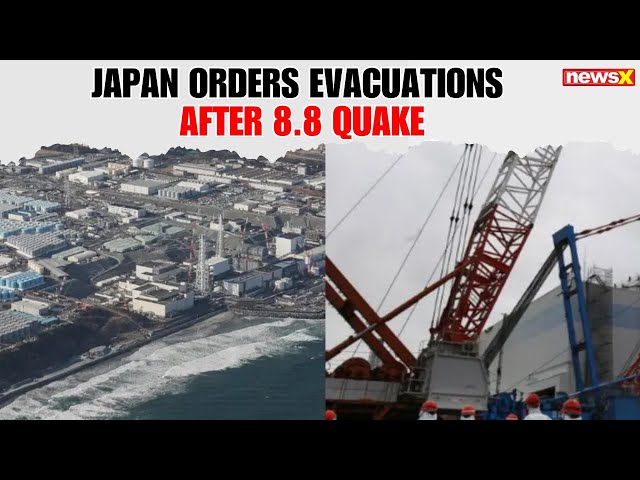
Recent news highlights several notable earthquakes around the globe, including a substantial magnitude 7.7 earthquake in Myanmar. The tremors were felt across borders, causing panic and leading to significant infrastructural damage in nearby regions. As reported, local residents in areas such as Ruili, China, had to evacuate from buildings as debris fell from significant heights. Reports indicate that such events are becoming more frequent, pushing the need for awareness and preparedness to the forefront.
Impact of Earthquakes on Businesses
For businesses, earthquakes pose not only a threat to physical premises but also to operations and employee safety. Companies need to have a robust disaster recovery plan in place, which includes regular drills, clearly defined evacuation routes, and communication strategies that ensure everyone knows how to respond in the event of an earthquake.
Preparing for Earthquakes: Practical Steps
- Stay Informed: Keeping track of seismic activity, especially if you live in an earthquake-prone area, is essential. Utilize apps and local news sources to stay updated.
- Emergency Kits: Prepare an emergency kit that includes water, food, necessary medications, batteries, and a flashlight.
- Building Safety: Ensure your workplace or home is structurally sound and consider retrofitting if necessary.
- Evacuation Plans: Have a well-structured evacuation plan communicated to all employees, ensuring they know the safest exits and gathering points.
- Training: Provide training sessions for employees on how to respond during an earthquake. These could include drop, cover, and hold on techniques.
Utilizing Technology for Preparedness
As a part of modern preparedness, many organizations are leveraging AI and workflow automation tools like n8n to streamline their emergency response strategies. By setting up automated alerts and workflows, businesses can ensure that if an earthquake is detected, all employees are immediately informed through multiple channels.
For instance, automating notifications via SMS and emails can keep everyone informed about safety measures and evacuation routes. Furthermore, integrating real-time data feeds concerning seismic activity can enhance situational awareness amongst employees.
The Role of Governments and Organizations
On a larger scale, governments play a crucial role in earthquake preparedness. Educating communities about risks and safety measures, investing in robust infrastructure, and having emergency protocols are vital components of a comprehensive disaster response strategy. In tandem with governmental efforts, NGOs often serve as community liaisons to provide immediate relief and resources in the wake of a disaster.
Conclusion
Constant awareness and preparation are not just advantageous—they are essential in today’s world where the risks of earthquakes cannot be ignored. Exploring resources about “earthquake near me” provides a pathway to better prepare for potential seismic events. By adopting proactive measures, leveraging technology and maintaining open communication lines, both individuals and businesses can effectively mitigate the risks associated with earthquakes.
For more detailed updates about earthquakes and preparations, check out [Google News](https://www.google.com/sorry/index?continue=https://m.youtube.com/watch%3Fv%3DRUFxLqPaw-k&q=EgRC-USFGKXKj84GIjDqxOtEfglua_q7Ds9CpATjWHm9rCRzSMFe_UxBrGa1pmyAbJ0k7jcoDLPDTztRYPEyBD5jclJaAUM).