


Doomsday Clock 2026: A Reflection of Our Times
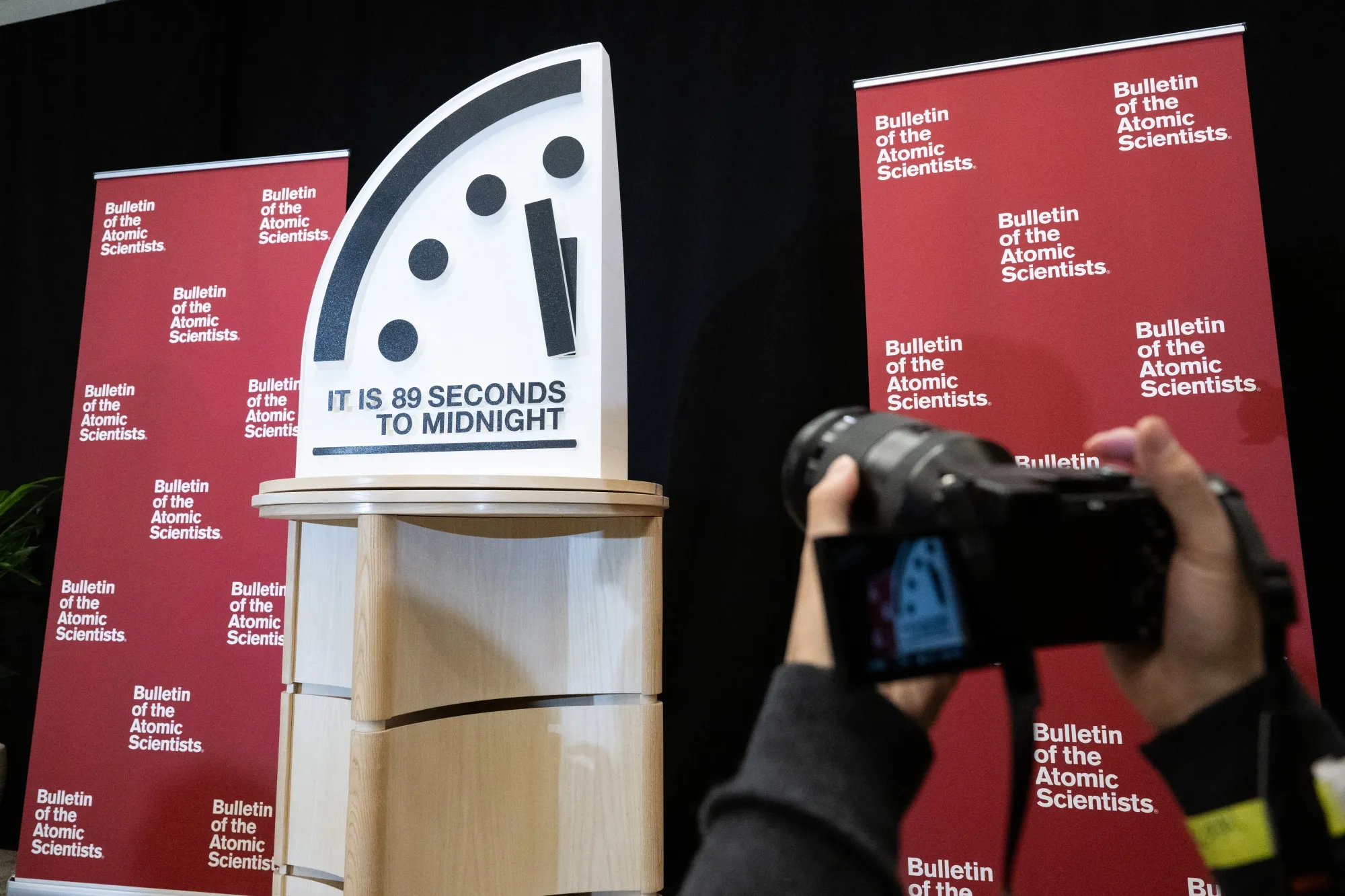
The Doomsday Clock serves as a symbolic representation of humanity’s proximity to self-annihilation, reflecting our existential threats and challenges. Currently set at 85 seconds to midnight as of January 2026, the clock is the closest it has ever been to midnight, denoting severe global threats and political instability. In this blog post, we will explore the significance of this time setting, the factors that have contributed to our current predicament, and what steps we can take to work towards a safer future.
What Is the Doomsday Clock?
The Doomsday Clock was created by the Bulletin of the Atomic Scientists in 1947 in response to the nuclear threats that followed World War II. The clock serves not only as a reminder of the nuclear threat but also highlights other existential risks that threaten humanity, such as climate change and biological warfare. Over the decades, the minute hand of the Doomsday Clock has been adjusted 27 times, reflecting on various global crises and conflicts.
Current Setting and Its Implications
As of this year, January 2026, the Doomsday Clock is set at 85 seconds to midnight, a significant change from its previous setting of 89 seconds. This time was announced on January 27, 2026, during a live event by the Bulletin of the Atomic Scientists. The alarming adjustment signifies that the world is closer than ever to catastrophic events that could lead to widespread destruction. You can read more about this announcement on the Bulletin of the Atomic Scientists website.
Factors Influencing the Clock’s Time
The recent adjustment of the clock can be attributed to several pressing issues. One of the most significant factors is the ongoing geopolitical tensions and nuclear proliferation. The war in Ukraine, along with the strained relations between nuclear-armed states, raises concerns about the potential for nuclear conflict.
Additionally, climate change continues to represent an existential threat. Extreme weather events, rising temperatures, and geopolitical instability stemming from resource shortages have compounded global security issues. The latest report by the UN indicates a narrowing window for mitigating climate change impacts, which further emphasizes the urgency of addressing this crisis.
Furthermore, advancements and potential misuse of artificial intelligence pose additional risks. The race to develop AI technology without appropriate regulations can lead to unforeseen consequences that could elevate existing threats, including cyber warfare and societal disruption.
The Role of Public Awareness and Global Cooperation
Raising public awareness about the Doomsday Clock and the issues it signifies is crucial for mobilizing action. Individuals, businesses, and governments must collaborate to address these challenges head-on. Collective action through policy change, technological advancements, and grassroots movements can contribute to reversing the current trajectory.
Organizations can play a vital role in advocating for sustainable practices and responsible governance. We must demand transparency and accountability from our leaders regarding nuclear policies and climate action. By informing and educating the public about these risks, we can foster an empowered citizenry capable of advocating for change.
Steps to Mitigate Existential Threats
- Engage in Disarmament Talks: Support and promote diplomatic efforts aimed at reducing nuclear arsenals.
- Invest in Renewable Energy: Transition towards sustainable energy sources to combat climate change.
- Implement AI Regulations: Advocate for the establishment of ethical guidelines and regulations for artificial intelligence development.
- Promote Global Collaboration: Work towards international agreements that address climate change and public health crises.
- Foster Public Engagement: Encourage community involvement in addressing local and global challenges.
Conclusion
The Doomsday Clock serves as a stark reminder of the threats we face today and the necessity for collective action. With the clock set at 85 seconds to midnight for 2026, we are reminded of the fragility of our existence and the urgent need for proactive measures. In these times of potential peril, we must cultivate a spirit of collaboration, innovation, and responsibility. Only through unified efforts can we work towards a future where the Doomsday Clock can be reset to a safer hour.
For further insights into the implications of the 2026 setting, check out the detailed article by Bloomberg.