



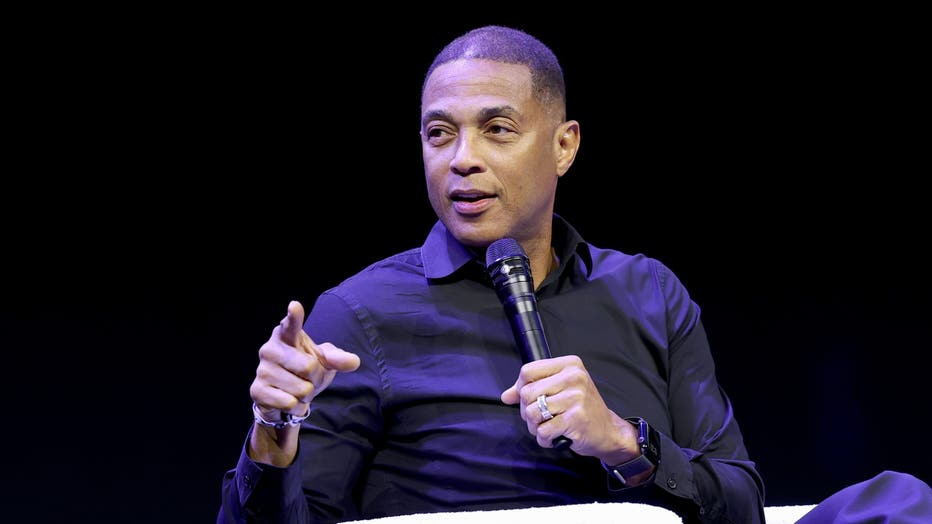
Don Lemon Taken Into Custody: Unpacking the Controversy Behind the Arrest
In a surprising turn of events, renowned journalist and former CNN anchor Don Lemon was taken into custody in Los Angeles while covering the Grammy Awards on January 29, 2026. Multiple reports have surfaced, primarily from FOX 9 and CBS News, detailing that this incident is linked to a protest against immigration policies that occurred inside a Minnesota church.
The Incident Surrounding Don Lemon’s Arrest
According to reports, Lemon was arrested by federal agents as a direct consequence of his involvement in covering a protest at a St. Paul church. This event was characterized by anti-ICE (Immigrations and Customs Enforcement) sentiments, where protesters interrupted a church service to voice their concerns over federal immigration enforcement actions.
Lemon’s attorney, Abbe Lowell, emphasized that the incident stemmed from Lemon’s Constitutional right as a journalist—claiming his participation in the protest was to document and report the facts surrounding the event. Federal authorities have characterized the situation as a legitimate outcome of Lemon’s actions during the protest, leading to his arrest.
Background on the Protests
The protest at the church was intensively covered by local media and became a focal point for both immigration rights activists and the broader national conversation about immigration policy under the Trump administration. As many activists expressed their frustrations against the federal government’s crackdown on immigration “sanctuary” jurisdictions, church leaders iterated the importance of maintaining religious spaces free from political conflicts.
In response to the national outcry and unrest surrounding this issue, Lemon entered the church, reportedly intending to cover the event as a journalist. His arrest, therefore, raises complex questions about the rights of journalists covering civil rights movements and protests, especially in instances where law enforcement plays an active role.
Public Reactions
Public reaction to Don Lemon’s arrest has been mixed. Supporters argue vehemently for Lemon’s right to report on the protests without fear of repercussion, citing the importance of their First Amendment protections. Critics, however, question the appropriateness of his decision to engage with protesters while covering the event, suggesting it undermines journalistic objectivity.
Social media has been flooded with varying opinions, from affirmation for Lemon’s actions as an embodiment of responsible journalism to accusations of partisanship that impedes the credibility of news coverage. Lemon, in the past, has faced controversies surrounding his on-air comments which some critics allege reflect a clear bias.
The Legal Implications
The legal ramifications of Lemon’s arrest remain to be seen; however, they spotlight the ongoing debate regarding journalistic freedom and First Amendment rights. If Lemon’s defense regarding his arrest due to his role as a journalist is upheld, it will signal a substantial win for media rights amidst rising tensions between law enforcement and news organizations.
Constitutional law experts warn that the treatment of journalists in such situations is vital as it sets precedents for future interactions between law enforcement and the media. The preservation of a free press is integral to a functioning democracy, and many commentators stress the necessity for law enforcement to respect the rights of individuals engaged in journalism.
Conclusion
The arrest of Don Lemon highlights significant issues within the landscape of American journalism, freedom of expression, and law enforcement interactions with media professionals. As this situation develops, it will be integral for journalists, advocates, and the public to advocate for the rights of the press, ensuring that similar incidents do not foster an environment of fear among journalists seeking to report the truth.
For the latest updates, check out the original reporting by FOX 9.