



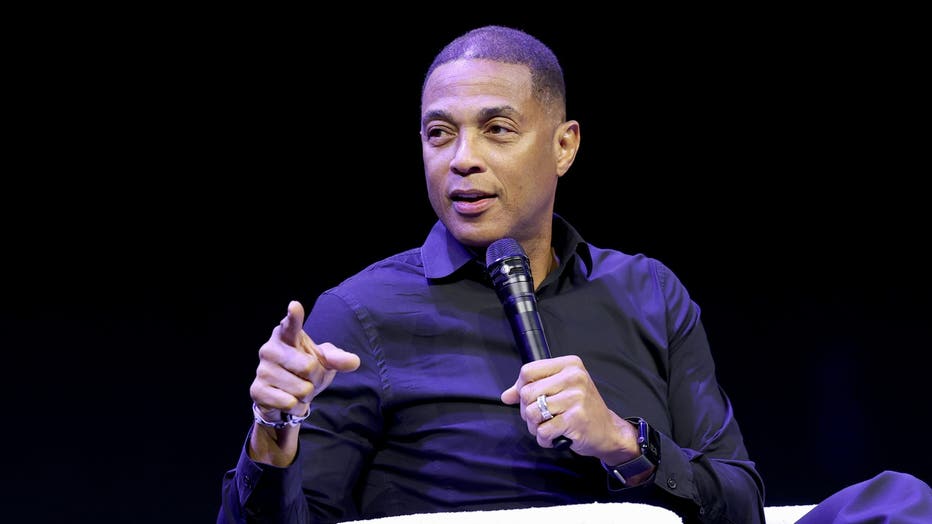
Don Lemon Taken Into Custody: What Happened?
In a startling turn of events, journalist and former CNN anchor Don Lemon was taken into custody during a protest at a Minnesota church. This incident has stirred significant media attention and public discourse, particularly about the implications for press freedom and the rights of journalists covering civil unrest.
The arrest occurred while Lemon was in Los Angeles covering the Grammy Awards. Reports indicate that he was apprehended by federal agents in connection with an anti-ICE protest that took place earlier this month at a church in St. Paul, Minnesota. Numerous news outlets, including CBS News and FOX 9, have detailed the circumstances surrounding his arrest, highlighting its significance in the current media landscape.
The Context of the Protest
The anti-ICE protest that led to Lemon’s arrest was part of a broader movement opposing immigration enforcement measures and advocating for the rights of undocumented immigrants. These protests have significantly gained steam in the aftermath of recent ICE raids, particularly in areas with large immigrant communities.
During the church service, protesters reportedly disrupted the proceedings to draw attention to their cause, which they believed was essential in confronting perceived injustices in immigration policies. Lemon, who has been a prominent voice in journalism for over three decades, stated that he was simply fulfilling his duties as a journalist covering the event.
The Arrest and Immediate Reactions
According to various reports, Lemon’s attorney mentioned that he was arrested alongside three other journalists who were also covering the protest. The implications of this incident raise questions about journalists’ rights in reporting on protests and civil disturbances. Many in the media industry have rallied in support of Lemon, asserting that incidents like these threaten freedom of the press.
Brian Stelter, a CNN media correspondent, tweeted, “Today, we are witnessing a crucial moment in journalism. Don Lemon has always pushed boundaries; he should not face criminal charges for exercising his rights as a journalist.”
The outpouring of support underscores the broader issue of press freedom and whether journalists can safely cover civil movements without fear of legal repercussions.
Analyzing the Legal Aspects
The legal framework surrounding Lemon’s arrest has sparked debates in both legal and journalistic circles. Key points of examination include the following:
- **First Amendment Rights**: The First Amendment of the United States Constitution guarantees freedom of the press, allowing journalists to report on significant events without fear of censorship or punishment.
- **State vs. Federal Law**: Since Lemon was arrested by federal agents, it also raises the complexity of jurisdiction in cases surrounding civil protests. Given that the protests were against federal agencies like ICE, the interactions between local demonstrators and federal laws add to the legal intricacies.
- **Previous Precedents**: Several journalists have faced similar situations where they were detained or arrested while covering protests. Legal experts will likely delve into previous case law to outline potential defenses that Lemon’s team could use in court.
The Broader Impact on Journalism
This incident not only affects Lemon personally but also holds significant ramifications for the journalism industry at large. The incident has reignited discussions about journalism’s evolving role in society, particularly concerning civil rights and social justice movements.
Many advocates argue that arrests of journalists could have a chilling effect on media coverage of protests, which are crucial for transparency and public awareness. The ramifications of this could lead to less thorough coverage of critical issues such as immigration and human rights violations.
Supporters of Lemon have called for a reevaluation of how law enforcement interacts with journalists, emphasizing the need for better training and awareness of press rights among police and federal agents. This situation could serve as a catalyst for legislative changes aiming to protect journalists in the field.
Conclusion
Don Lemon’s arrest highlights significant and concerning trends in the relationship between law enforcement and the media. As discussions unfold around his case and the larger implications for press freedom, it’s essential for journalists, editors, and advocates alike to unite in defense of the First Amendment. In a time when journalism is more crucial than ever, incidents like this remind us of the risks that journalists face and the responsibilities of society to uphold the values of freedom of expression.
For further updates, please visit here.