


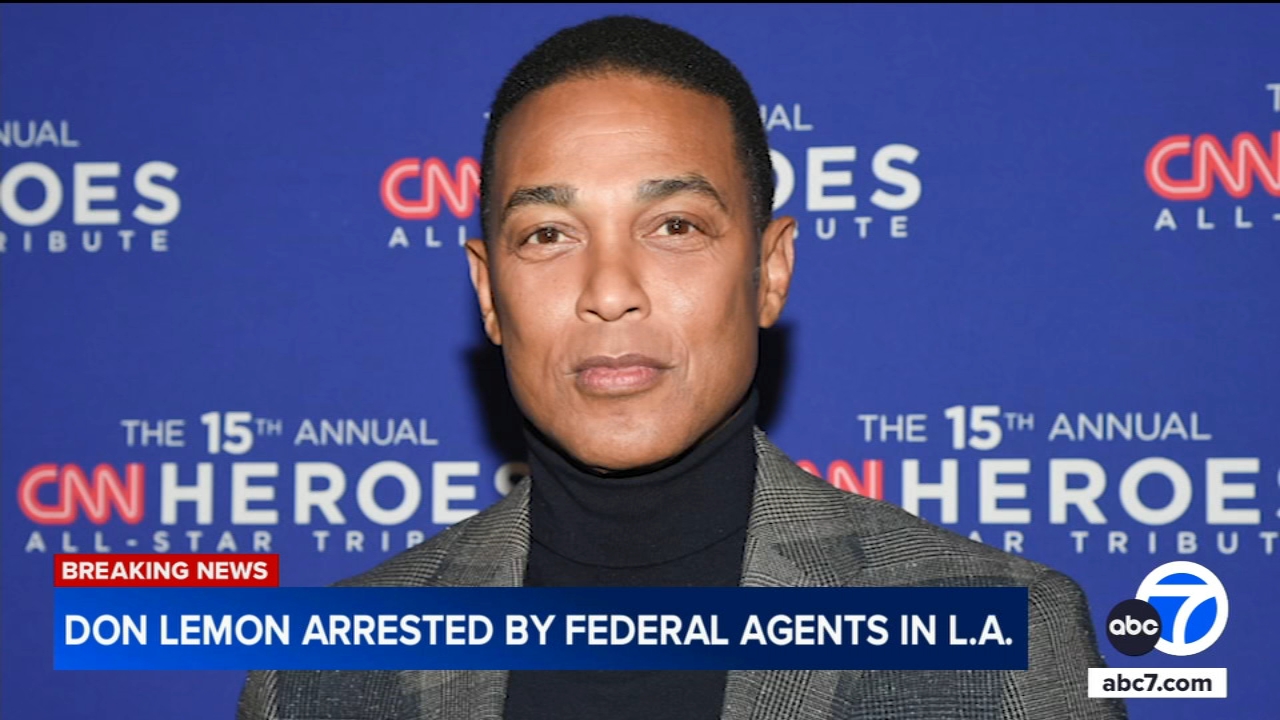
Don Lemon Arrested: Details Surrounding His Recent Arrest
In a dramatic turn of events, former CNN anchor Don Lemon has been arrested in connection with an incident that occurred during a church protest in Minnesota. The arrest has sparked widespread media coverage and public discussion regarding the implications for journalism and media conduct during protests.
Understanding the Arrest
On January 30, 2026, federal agents took Don Lemon into custody while he was covering the Grammy Awards in Los Angeles. Reports suggest that his arrest stems from his involvement in a protest that disrupted services at a church in St. Paul, Minnesota, earlier this month. Reports on the incident indicate that Lemon was not just a bystander but was actively engaging with the protestors who were demonstrating against immigration enforcement. He had asserted his role as a journalist during that protest.
The incident raised eyebrows and numerous questions about the boundaries between reporting and activism. According to Lemon, he was there documenting the event rather than participating in the protests. However, this distinction may not hold significant weight in the eyes of law enforcement.
The Background on the Protest
The situation began when demonstrators entered the church to protest an immigration policy that they believed was unjust and affecting families adversely. The timing of the unrest coincided with increasing tensions around immigration issues, making the protest not only timely but also significantly charged politically.
According to reports from ABC7 and other major news outlets like Reuters and NBC News, federal legal authorities had been pursuing legal action against those involved in the protest, leading to multiple arrests, including Lemon.
What’s Next? The Legal Proceedings
The arrest of Lemon raised numerous legal questions, particularly about the role of journalists in protests and the legal protections they enjoy. Many in the legal community are discussing whether journalists should be protected from arrest while covering events like protests. This event symbolizes a significant collision between law enforcement and freedom of the press, stirring debates about the role of media in political activism.
Furthermore, future legal capacities will determine how charges are pursued against Lemon and if his purported defense—that he was merely documenting the events—holds any merit in a court of law.
Reactions from the Media and Public
The media community has reacted strongly against Lemon’s arrest, viewing it as an attack on journalism and press freedom. Fellow journalists and commentators expressed their concerns over the implications of such arrests for all media professionals who cover similar protest situations. A wide array of news anchors and public figures took to social media platforms, voicing solidarity with Lemon and decrying the actions of federal law enforcement as troubling.
Public responses have varied, with some expressing support for both Lemon and the protestors, while others condemned the disruptive actions taken at the church. The incident has reignited discussions about the fine line between journalistic duties and activist roles in society.
Conclusion
As the story unfolds, the implications of Don Lemon’s arrest stretch beyond his own legal challenges and highlight the broader issues of press freedom, the rights of journalists during protests, and the societal responses to immigration enforcement. The landscape of journalism is shifting, and events like this will determine the future direction of reporting in turbulent political climates.
Stay tuned as we continue to monitor the situation and provide updates on legal proceedings and public responses surrounding the case. This incident is not just about one journalist; it encapsulates a pivotal moment for journalism, protest rights, and the ongoing theme of social justice in America.