



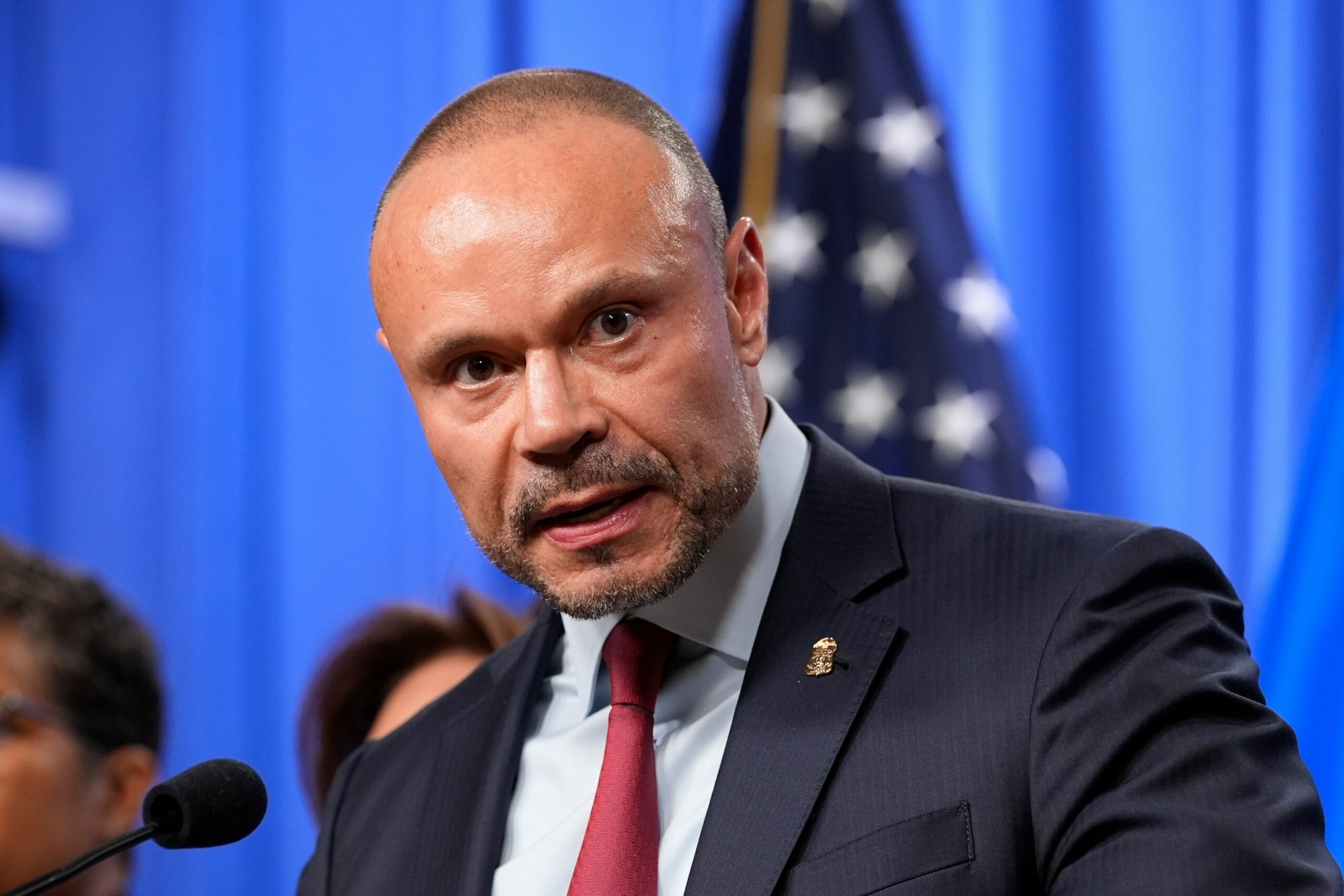
Dan Bongino Leaving the FBI: What This Means for Media and Politics
In recent news, the political arena has erupted with discussions surrounding Dan Bongino leaving the FBI. The former police officer and federal agent has made headlines not just for his role in law enforcement but also for his burgeoning career in media punditry. Understanding Bongino’s departure from the FBI is essential as it paints a picture of the intertwining of law enforcement, the media, and political discourse in America.
One of the critical dynamics to consider when analyzing Dan Bongino’s exit from the FBI is his career trajectory. Bongino rose to prominence through a unique blend of experience ranging from local police departments to serving as a deputy sheriff, and ultimately, as an agent with the Federal Bureau of Investigation (FBI). His insights have garnered him a significant following and led to a successful career as a conservative commentator and media broadcaster.
Background and Career Path of Dan Bongino
Bongino’s career started in law enforcement, where he began as a police officer before transitioning into federal service. His tenure with the FBI, which he left to become a media personality, provides him with firsthand insights into issues of national security, law enforcement ethics, and criminal justice. This background allows him to share unique perspectives in his segments, connecting the dots between law enforcement and politics.
His departure from the FBI has spurred numerous conversations regarding the credibility of law enforcement officials transitioning into media roles. Are they simply leveraging their past experience to gain a platform, or do they have an obligation to portray an accurate representation of law enforcement? This question becomes particularly relevant when considering the rapidly shifting dynamics of trust between the public and law enforcement agencies.
Implications of Bongino’s Departure
With Bongino leaving the FBI, several implications arise, both for media and for the political landscape.
Firstly, media outlets may increasingly feature individuals with law enforcement backgrounds, which could come with a specific bias and perspective. These commentators bring a unique vantage point but potentially skew the narrative presented to the public, particularly in politically charged climates.
Moreover, Bongino’s leap into media raises questions about the balance of power and influence in political discussions. Pundits with law enforcement experience may overshadow voices from traditionally marginalized communities, potentially stifacing more inclusive discussions on justice and police reform.
Public Reception and Reactions across Social Media
Responses to Bongino’s move can be seen across various social media platforms. Supporters argue that his insights are invaluable due to his firsthand experience in the FBI, while critics suggest his presence in media blurs the lines between objective reporting and advocacy. This instant division in public opinion highlights the critical need for media literacy among audiences.
Social media has amplified the voices on both sides, making it crucial for consumers of news to critically analyze the information being disseminated. Individuals must discern the political affiliations, biases, and potential conflicts of interest of the commentators they choose to follow.
Concluding Thoughts on the Future of Law Enforcement and Media
In conclusion, the topic of Dan Bongino leaving the FBI is not just about a former federal agent transitioning to a media platform; it reflects larger issues concerning the intersection of law enforcement, media, and politics. As the narrative continues to evolve, stakeholders, including HR professionals and business leaders, must pay close attention to these developments. Understanding the implications of law enforcement figures in media informs approaches to leadership, communication, and corporate responsibility.
The ongoing debates surrounding trust in law enforcement, the role of media, and the influence of public figures remind us of the complexities within our political landscape. As Bongino forges a new path in media, the dialogue will undoubtedly shape public perception of law enforcement and its relationship with the media.