


Coup: Understanding the Dynamics, Impact, and Responses
The term “coup” often evokes a complex array of emotions, images, and historical contexts. In today’s global landscape, it signifies something far deeper and more complex than just a political upheaval. A coup, or coup d’état, refers to a sudden and illegal seizure of government power, typically executed by a small group. As we navigate the complexities of these events, particularly in democratic spheres, it’s crucial to understand the dynamics at play.
Throughout history, various countries have experienced both violent and non-violent coups, leading to significant changes in political regimes, often resulting in profound societal changes. In this blog post, we will explore the dynamics of coups, their impact on nations and societies, and the various responses from the global community.
The Anatomy of a Coup
To fully understand coups, we should dissect their foundational elements. Coups can be categorized based on their execution and motivation:
- Military Coups: Often instigated by armed forces to dethrone a sitting president or government. Their motivations can stem from perceived incompetence, unpopularity, or even to restore order.
- Political Coups: These occur within political circles, often involving plots by influential leaders to unseat rivals or take control of political parties.
- Popular Uprisings: Sometimes, coups arise as part of broader social movements, where citizens mobilize against oppressive governments, leading to regime change through civil disobedience or protests.
Historical Context
From the overthrow of the Shah of Iran in 1953 to the recent protests in Myanmar against military rule, coups have woven intricate narratives throughout history. Each event carries its own story of resistance and revolt:
- Myanmar – Inside a dictatorship run military coup
- Military Coup in Iran funded by the US
- Rival Protests Set for Brazil Amid Bolsonaro Coup Trial
- Invitation to the Coup – Wolfgang Lettl
Impact of Coups
The implications of coups extend beyond immediate political changes. They can lead to:
- Social Dislocation: Coups often create divisions within society, fracturing communities and leading to civil unrest.
- Economic Decline: The political instability resulting from coups can hinder economic growth and deter foreign investment.
- International Relations Strain: Countries that experience coups may find themselves isolated or sanctioned by the international community.
International Responses
When a coup occurs, international reactions vary widely:
- Condemnation: Many nations and organizations like the UN and EU typically condemn coups, advocating for a return to democracy.
- Diplomatic Measures: Some countries impose sanctions or halt diplomatic relations as a response to coup actions.
- Support for Exploratory Solutions: Mediation efforts and support for peace talks may be initiated, aiming toward stabilizing the affected region.
Conclusion
Coup d’état events carry with them deep complexities that reflect the socio-political fabric of nations. For HR professionals and business leaders, understanding these dynamics is crucial, particularly as stability directly influences organizational success. As global citizens, promoting dialogue, tolerance, and democratic values becomes essential in our interdependent world.
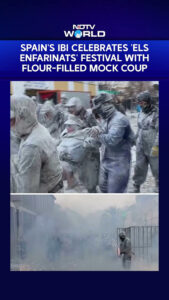
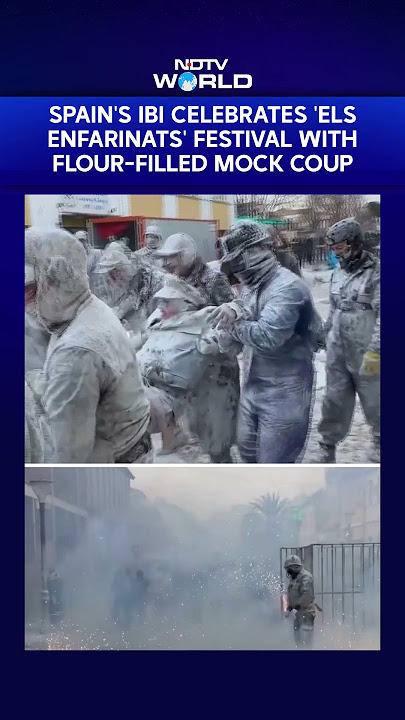
For further insights into this topic, you might find the Els Enfarinats festival in Spain particularly interesting, where a historical re-enactment celebrates a mock coup.