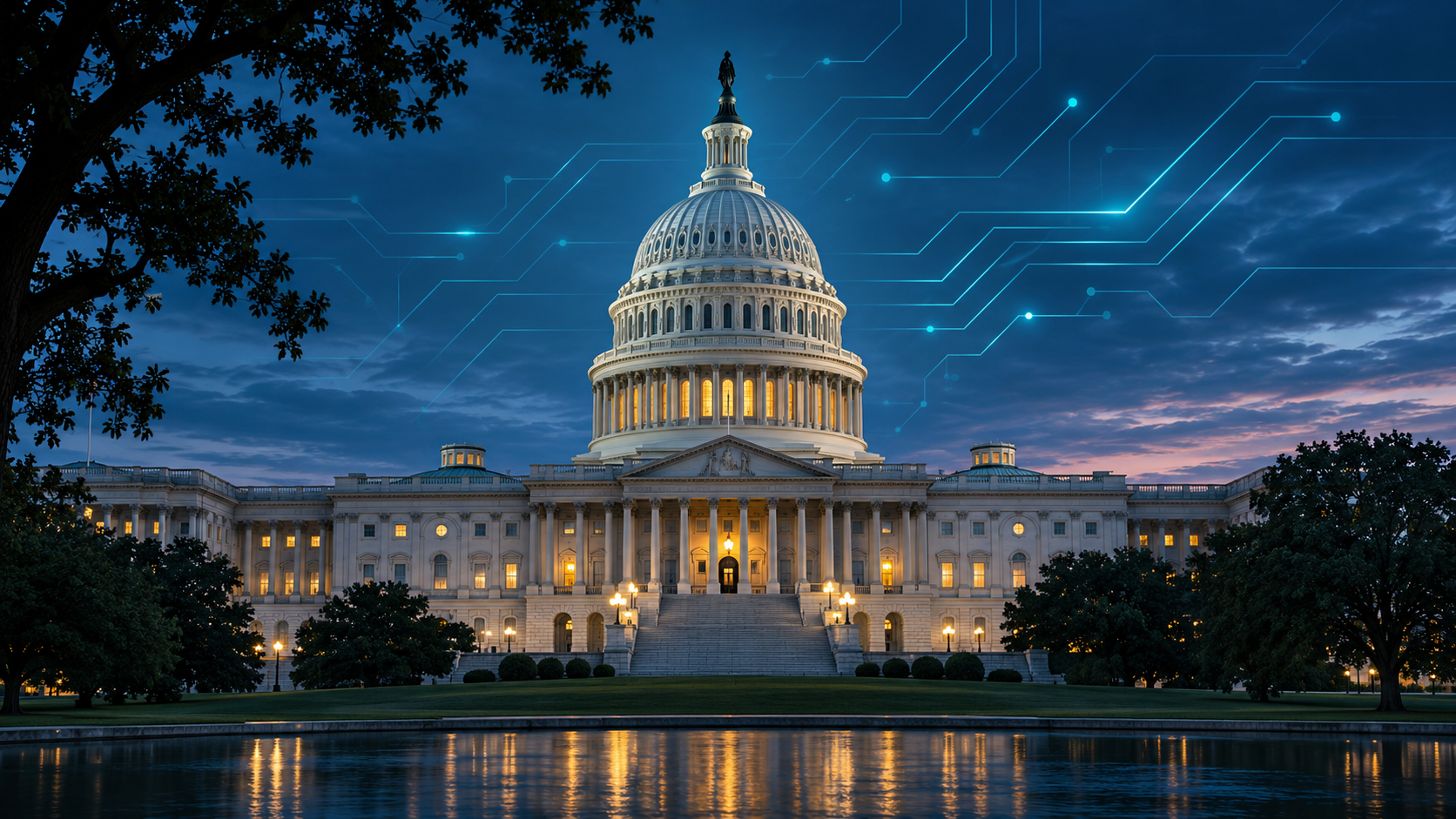
Congressional Democrats are preparing to pursue the most far-reaching artificial intelligence regulation ever proposed in the United States, as the new majority readies sweeping legislative plans for 2026. Incoming leaders promise aggressive oversight, direct hearings with industry executives, and dozens of bills targeting AI safety, data center standards, labor protections, and child safety. However, a president opposed to broad new rules and entrenched industry reluctance sets the stage for contentious debate and a likely clash between Congress and the White House.
Congress aims for strict AI laws after rapid technology growth
This development, confirmed by multiple independent and national news sources on November 20, 2026, follows years of explosive AI model capabilities, growing safety concerns across sectors, and public calls for regulation. Congressional Democrats, set to take over committee leadership in January, have announced an intent to craft and fast-track legislation that would establish new federal standards for AI development and deployment. According to The National Desk, these bills will focus on topics ranging from technical safety and transparency to labor impacts and the protection of children from algorithmic harms.
At the heart of the plan, according to Associated Press and WFTV reporting, are proposals for a new select Senate committee dedicated to artificial intelligence policy. Senator John Hickenlooper, among others, urged Democratic leadership candidates to adopt a “day one” strategy for responsible AI regulation. With committee control comes new power to compel industry testimony and set the legislative agenda.
Industry braces for regulation, White House signals resistance
The focus_keyword, congress AI regulation 2026, highlights the pivotal tension between lawmakers’ ambitions and the tech sector’s ongoing efforts to limit new constraints. The Biden and Trump White Houses, in different ways, opposed comprehensive AI rules over the past two years. Industry executives warn that poorly designed regulation could stifle innovation and global competitiveness, even as leading figures admit the need for some guardrails. According to KATV and other outlets, major AI labs are now preparing for congressional scrutiny, data requests, and high-profile public hearings in 2026.
The likelihood of a presidential veto, as reported by several consulted sources, remains a significant barrier. While Democrats will direct committee work, passing transformative legislation requires cooperation from an administration that so far has favored minimal federal intervention. Political analysts note that bills aiming to regulate large language models, mandate audits or sandboxing of new AI systems, or create federal safety and fairness standards could all trigger executive objections or face legal challenge.
Key issues and expected proposals
On the table for the 2026 session are diverse legislative proposals, often with bipartisan variants in early drafts. Among the most prominent are:
- New federal standards for data center energy usage and location, targeting the infrastructure driving AI expansion.
- Mandatory third-party safety auditing for high-capability AI models.
- Transparency requirements for training data and model architecture disclosures.
- Workforce impact mitigation, including retraining funds and protections for jobs likely to be displaced by AI-driven automation.
- Specific child safety rules covering algorithmic personalization, behavioral advertising, and content moderation in AI-powered platforms.
- Expanded powers for the Federal Trade Commission to investigate and enforce AI safety and fairness regulations.
Democrats signal they will pursue a “whole-of-government” approach. However, industry sources and analysts cited by The National Desk indicate many bills could become subjects for extended negotiation, committee amendment, or court review.
Implications for industry, regulation, and international competition
Moves to impose the toughest US AI rules yet come at a time when global competitors—the EU, China, and others—are finalizing their own artificial intelligence laws. Lawmakers argue that decisive federal action is crucial to guide innovation, prevent abuses, and maintain US leadership in AI safety and trust. Industry groups counter that excessive constraints could trigger capital flight or blunt economic growth.
The past year saw numerous AI controversies, ranging from deepfake election threats to algorithmic discrimination lawsuits and growing public skepticism over automated decision-making systems. As reported by WFTV and others, legislators now see AI not only as an economic force but a matter of national security and civil rights.
For analysis of previous AI governance frameworks and reports on evolving regulation, see CyberProfi’s artificial intelligence category and tech news section.
FAQs
- What prompted Congress to pursue such broad AI regulation now?
- Rapid advances in large language models and growing concerns about safety, ethics, and societal impact have increased public and political calls for comprehensive oversight.
- What kind of AI rules are being considered?
- Bills in discussion target data transparency, third-party model audits, algorithmic fairness, labor force impacts, and specific rules for child safety and digital advertising.
- Will these laws likely pass?
- Congressional Democrats have the power to move bills through committees, but without White House support, major regulation faces high hurdles and possible veto.
- How could new laws affect the tech industry?
- Depending on their final shape, new rules may require transparency reports, impact audits, and compliance programs, affecting both large AI labs and application developers.
- Where can I find further coverage on AI regulation?
- Visit CyberProfi’s artificial intelligence and tech news archives for in-depth explainers and ongoing coverage.