



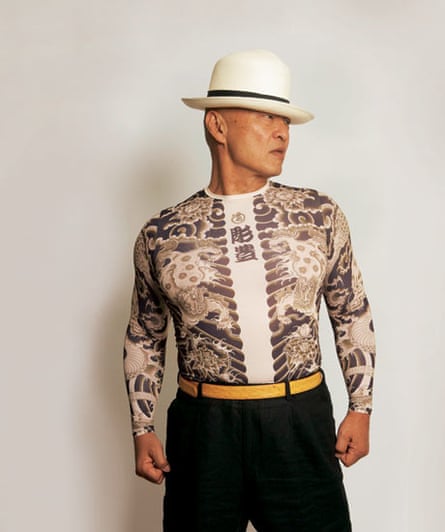
Cary Hiroyuki Tagawa: A Multifaceted Talent
Cary Hiroyuki Tagawa is a name that resonates with many in the entertainment industry. Renowned for his dynamic acting skills, Tagawa has carved out a unique niche for himself as a versatile performer, appearing in a plethora of films and television shows over the decades. With roles that encompass everything from action-packed performances to heartfelt dramas, Tagawa has become a staple in Hollywood and a respected figure in the Asian-American community.
His journey is inspiring, reflecting not just his talent but also his resilience and commitment to his craft. In this blog post, we will delve into Tagawa’s life story, explore his significant roles, and highlight his impact on the industry. Additionally, we will examine how his experiences resonate with today’s audiences and what they can learn from his career.
Early Life and Background
Cary Hiroyuki Tagawa was born on September 27, 1950, in Los Angeles, California. He is of Japanese descent and spent part of his childhood in Japan. Growing up, he faced the challenges and discrimination that many Asian-Americans encountered. However, these experiences served to strengthen his resolve and foster his passion for acting. Tagawa’s interest in performance began at a young age, and he pursued acting while balancing various jobs to support himself through school.
Breakthrough Roles
Tagawa’s career took off in the late 1980s, and he quickly gained recognition for his talent. One of his most iconic roles came in the film “The Last Emperor” (1987), where he portrayed a role that paved the way for future Asian representation in Hollywood. His portrayal was notable not just for its depth, but also for breaking stereotypes common in that era.
However, it was his performance as the villain in the video game adaptation “Mortal Kombat” (1995) that truly marked a turning point in his career. Tagawa’s portrayal of Shang Tsung was both memorable and effective, earning him a dedicated fan base. His ability to embody complex characters and bring an emotional depth to them has set him apart from many of his contemporaries. Since then, he has appeared in numerous films such as “Planet of the Apes” (2001) and “Pearl Harbor” (2001), as well as various television shows.
Television Appearances and Contributions
In addition to his film career, Cary Hiroyuki Tagawa has made substantial contributions to television. His appearances in hit shows like “Hawaii Five-0,” “The Man in the High Castle,” and “Fallen Angels” have showcased his versatility and commitment to storytelling. Tagawa’s roles often reflect his unique perspective, bringing layers to characters that audiences can connect with.
Through his television work, Tagawa continues to champion Asian representation in media. His consistent presence on screen illustrates a commitment not only to his own narrative but also to broader visibility for Asian actors and stories. The impact of his work cannot be understated, as he inspires a new generation of actors to pursue their dreams despite the odds.
Challenges and Setbacks
Despite his numerous successes, Cary Hiroyuki Tagawa has faced his share of challenges. Like many actors of color, he has encountered barriers related to typecasting and limited opportunities in Hollywood. These obstacles, however, have not deterred him; instead, they have fueled his determination to succeed and to focus on roles that reflect the complexity of the human experience.
Tagawa’s commitment to authentic storytelling has led him to seek projects that highlight Asian culture and narratives authentically. His determination to break through stereotypes demonstrates his unwavering belief in the importance of representation and diversity in the arts.
Legacy and Influence
Cary Hiroyuki Tagawa’s legacy goes beyond his filmography. He is a beacon of hope and inspiration for aspiring actors and artists, particularly those from underrepresented backgrounds. Tagawa often speaks about the necessity of resilience in pursuing one’s dreams, sharing that the journey is just as significant as the destination.
Moreover, Tagawa’s impact on the industry can be felt in the growing acceptance and appreciation for diverse stories and characters. His work has helped pave the way for more inclusive casting and storytelling, encouraging Hollywood to expand its horizons. Tagawa’s experiences remind us that the fight for representation is ongoing and that each role contributes to a larger narrative.
Conclusion
Cary Hiroyuki Tagawa exemplifies the essence of perseverance and talent. His life’s work has left an indelible mark on the film and television industries, serving as a powerful reminder of the importance of representation. For anyone interested in the arts, Tagawa’s story provides insight into the challenges faced by Asian-American actors and offers inspiration to continue pushing for equality in all forms of media.
If you would like to explore more about Cary Hiroyuki Tagawa and his journey in the world of acting, check out his profile on The Guardian.