



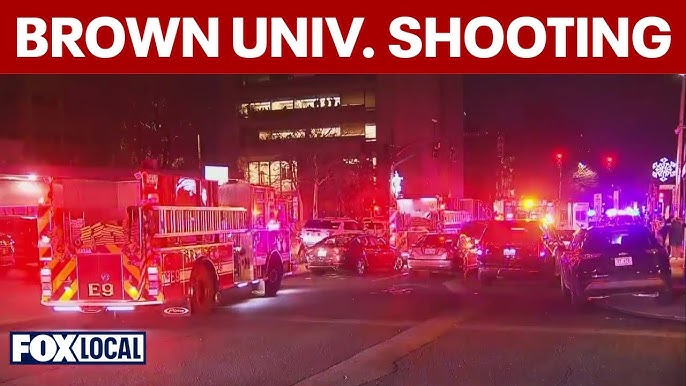
Brown University Active Shooter Incident: What You Need to Know
In recent weeks, the topic of Brown University active shooter incidents has surfaced in discussions surrounding campus safety and emergency preparedness. This blog post aims to delve into the details of such incidents, particularly focusing on the recent events at Brown University, the university’s response, and the implications for students and staff alike. We hope to provide a thorough understanding of the situation and highlight critical safety measures that can be implemented across educational institutions.
The Incident: A Brief Overview
On [specific date], Brown University experienced a significant emergency situation related to an active shooter report. This alarming incident prompted immediate action from campus security and local law enforcement, demonstrating the urgency with which such threats are taken. It’s crucial for students, faculty, and staff to stay informed about these scenarios, especially in light of increasing concerns about safety in educational environments.
Understanding Active Shooter Situations
Active shooter situations are defined as incidents where an individual is actively engaged in killing or attempting to kill people in a confined and populated area. They can happen anywhere—schools, colleges, workplaces, and public spaces. The unpredictability of these events makes it essential for institutions like Brown University to have comprehensive emergency plans and protocols in place.
Brown University’s Response Plan
In response to the active shooter report at Brown, the university quickly implemented its crisis response plan. The safety of students and staff was the top priority, leading to a swift lockdown of the campus and immediate dissemination of information to the university community via internal communication systems.
The response to an active shooter incident often involves:
- Notification of local law enforcement.
- Activation of lockdown procedures.
- Communication with students and staff regarding the situation.
- Emergency medical response planning.
- Post-incident recovery strategies.
These steps are designed not only to ensure immediate safety but also to prepare the institution for recovery and healing after the event.
Lessons Learned from Brown University
With the distressing rise in active shooter reports, universities, including Brown, must remain vigilant. Here are some critical takeaways for educational institutions:
- Preparedness is Key: Regular training drills should be conducted to ensure all members of the university understand the protocols during an emergency.
- Communication is Crucial: Having clear lines of communication can save lives. Technology should be leveraged to keep everyone informed, especially during a lockdown.
- Resource Availability: Ensure that mental health resources are readily available for students and staff coping with the aftermath of such incidents.
By continuously revisiting and updating emergency plans, Brown University hopes to reinforce its commitment to safety and security.
Community Support and Resilience
After an incident like the one at Brown University, the community often comes together in impressive ways. Offering support through counseling services, organizing community discussions about safety, and involving students in planning future safety protocols can help in healing and fostering resilience.
For more detailed insights and live updates, check out this video from Brown University that covers the incident and their response.
Conclusion
The reality of active shooter incidents is daunting, but educational institutions can take effective measures to prepare and protect their communities. By analyzing the Brown University incident, it becomes evident that emergency preparedness, clear communication, and community resilience are fundamental in addressing such crises. We encourage students, faculty, and staff to stay informed, prepared, and engaged in discussions about safety on their campuses.