


Ayatollah Khomeini: The Architect of the Islamic Revolution
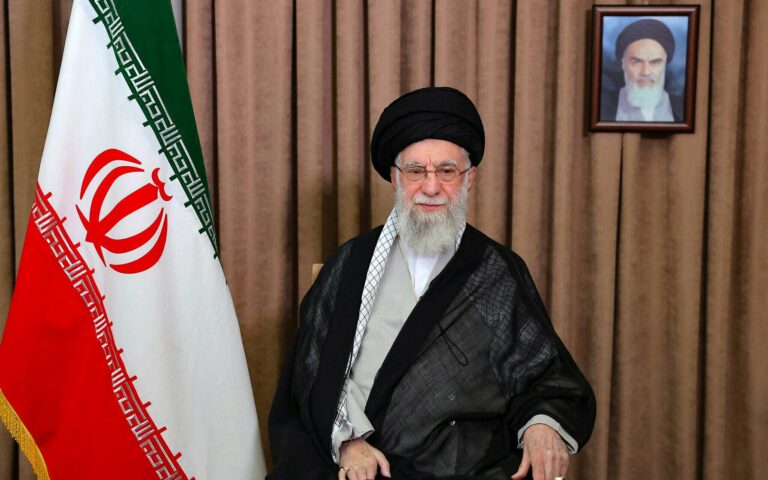
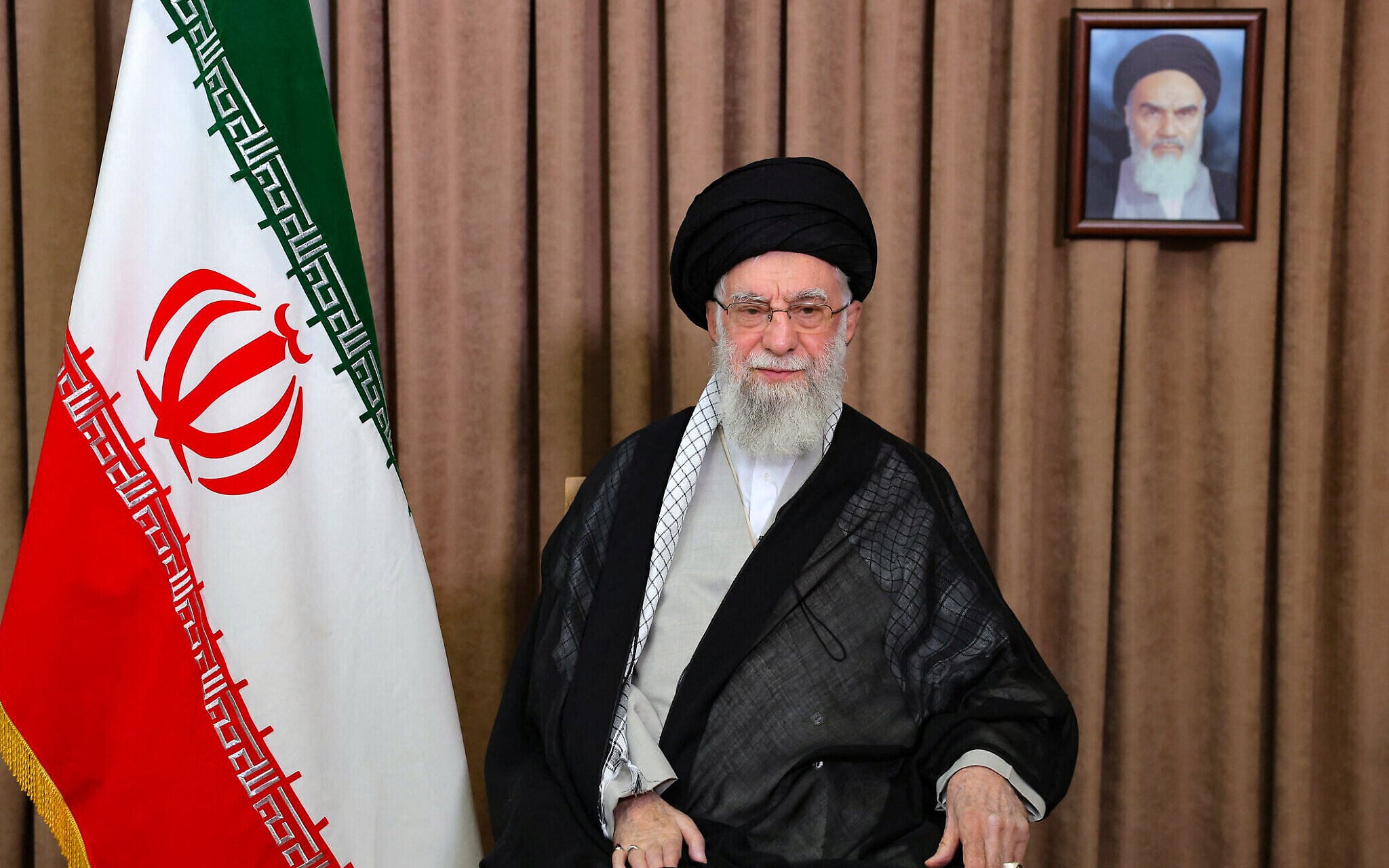
Ayatollah Khomeini, the prominent Iranian religious leader and cleric, is best remembered as the figure behind the 1979 Islamic Revolution in Iran. His influence, though his physical presence has long since diminished, still resonates in contemporary Iranian society and politics. As we delve into Khomeini’s legacy, we will also touch upon the current Supreme Leader, Ali Khamenei, who has been Khomeini’s ideological heir.
Khomeini’s Early Life and Rise to Power
Born on September 24, 1902, into a clergy family in Khomein, Iran, Ruhollah Khomeini was groomed for religious life from a young age. He eventually studied Islamic philosophy and ethics in Qom and became known for his scholarly contributions. His early criticism of the Shah’s regime laid the groundwork for his future political activism. Khomeini’s opposition to the monarchy began to gain traction in the 1960s when he denounced the Shah’s westernization programs and imperialism.
The Islamic Revolution of 1979
The culmination of Khomeini’s efforts arrived in 1979 when a massive uprising led to the overthrow of the Shah. His return to Iran marked a significant turning point in the country’s history, heralding the establishment of a theocratic state based on Islamic principles. The revolution not only transformed Iran’s political landscape but also had enduring implications for international relations, especially concerning Western nations.
Khomeini’s Ideology and Policies
Khomeini’s philosophy was rooted in Shiite Islam, advocating for the leadership of the clergy—a concept he coined as “Velayat-e Faqih.” This principle argues that a qualified Islamic jurist should lead the country, guiding policy according to Islamic law. Under his leadership, numerous policies were enacted, including the implementation of strict Sharia law, which significantly altered various aspects of Iranian life, particularly women’s rights and freedoms.
The Impact of Khomeini on Modern Iran
Even decades after his death on June 3, 1989, Khomeini’s influence endures. The current Supreme Leader, Ali Khamenei, who succeeded Khomeini, continues to espouse similar values, reinforcing the significance of Khomeini’s legacy. Khamenei’s leadership has further entrenched the theocratic governance style and solidified the role of the clergy within political structures.
Resistance and Opposition: The Legacy of Dissent
Khomeini’s rule did not come without opposition. The original hopes for democratic reforms morphed into a climate of suppression, leading to significant discontent among various segments of Iranian society. Over the years, activists and reformists have called for changes to the rigid framework established by Khomeini, yet the resistance remains heavily curtailed.
International Relations and Khomeini’s Influence
Internationally, Khomeini’s regime was defined by its anti-Western stance, particularly towards the United States. His ethos prompted a shift in Iran’s foreign relations, leading to hostility that culminated in the Iran Hostage Crisis and subsequent sanctions. Khamenei continues to advocate for a confrontational posture towards Western powers, reinforcing their status as the ‘Great Satan’ in political discourse.
The Echoes of Khomeini in Today’s Iran and Beyond
Today, Khomeini’s ideology still resonates strongly, both within Iran and among Shiite populations globally. His resistance against perceived oppression has inspired various movements and political figures in the region. However, his legacy is contentious, as many view it as a symbol of repression and fundamentalism.
Conclusion: Revisiting the Past for a Better Future
In reflecting on the legacy of Ayatollah Khomeini and its ongoing impact on Iran and beyond, it becomes clear that understanding this pivotal historical figure is essential for comprehending the modern geopolitical landscape. As Iran continues to navigate its identity and relations with the world, Khomeini’s principles are likely to remain a point of contention and relevance.
For more in-depth coverage on the implications of Khomeini’s ideals in contemporary politics, visit this link.