

Artemis 2: A New Era in Space Exploration and Rocket Launch Techniques
The highly anticipated Artemis 2 mission is set to redefine the landscape of space exploration, marking the return of astronauts to lunar orbit for the first time since NASA’s Apollo program. Scheduled for launch in 2026, this mission forms the second phase of NASA’s Artemis program, which aims not only to return humans to the Moon but to establish a sustainable human presence there, with a vision of future manned missions to Mars.
What Is Artemis 2?
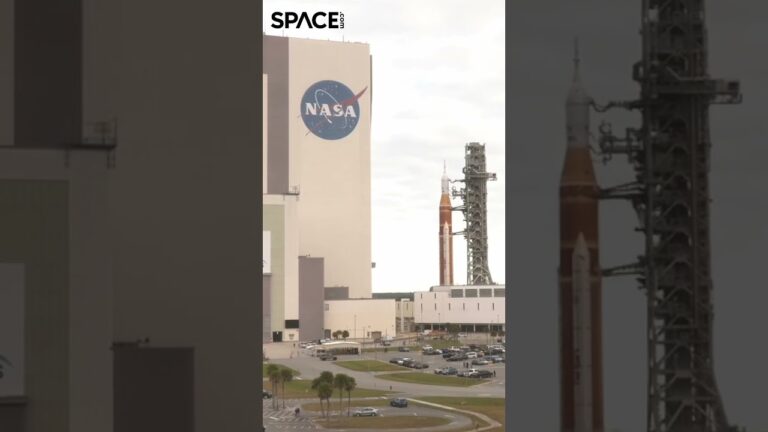
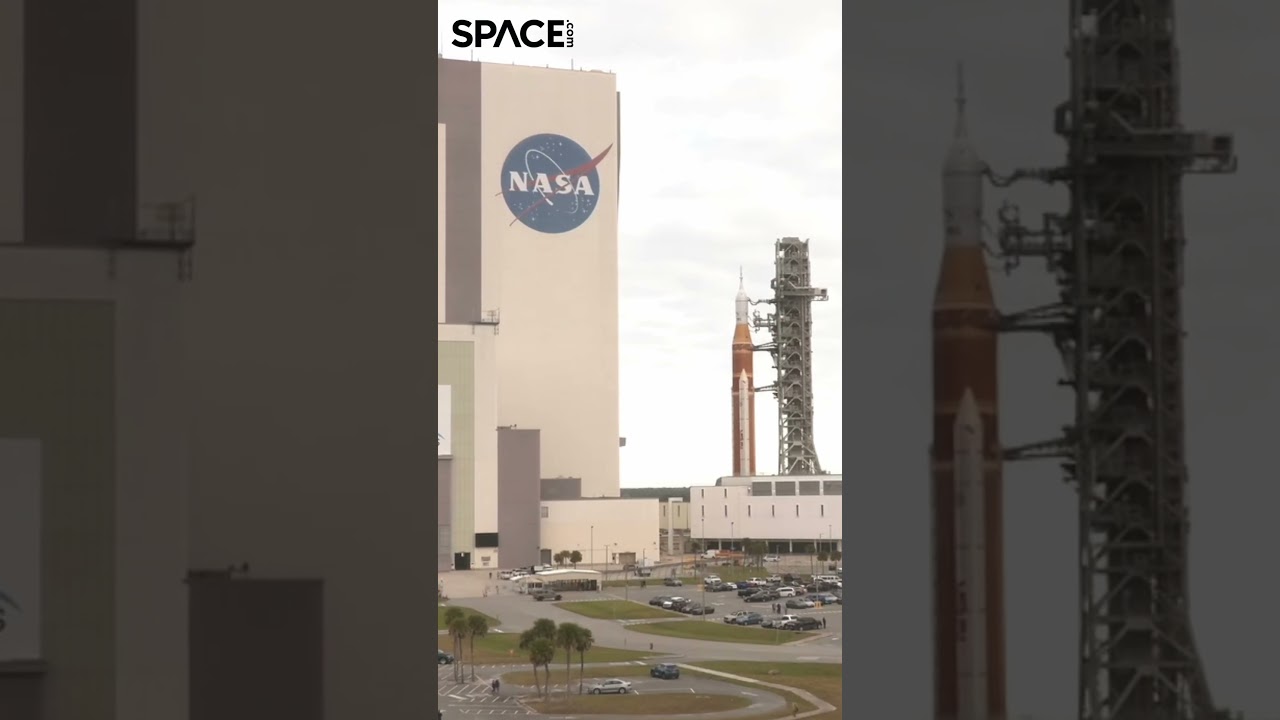
The Artemis 2 mission will carry a crew of four astronauts aboard the Orion spacecraft. This mission will be a crucial test of Orion’s systems and its ability to safely transport astronauts around the Moon before the Artemis 3 mission, which aims to land astronauts on the lunar surface. The rocket launch will utilize NASA’s Space Launch System (SLS), the most powerful rocket ever built, capable of carrying heavy payloads beyond low Earth orbit.
The Significance of the Artemis 2 Launch
Following Artemis 1, which conducted an uncrewed test flight, Artemis 2 will demonstrate the team’s operational capabilities and gather vital data about technologies essential for long-duration space flight. This mission will push the limits of human spaceflight, testing life-support systems and other technologies needed for future Mars missions. The astronauts aboard Artemis 2 will orbit the Moon and return to Earth, further validating the spacecraft’s systems under crewed conditions.
Objectives and Goals
- Test Orion’s capabilities in crewed operations, including navigation and communications systems.
- Validate the performance of the SLS rocket during a crewed mission.
- Investigate the potential for future lunar exploration and habitation.
- Gather extensive data on crew performance and system reliability during a deep-space mission.
Innovative Technologies Driving the Artemis Program
NASA’s Artemis program includes several technological innovations, which are vital for the success of Artemis 2 and future missions:
- Space Launch System (SLS): The SLS is designed to take humans beyond low Earth orbit, offering unmatched performance in launching crewed missions to the Moon and beyond. Its unique configuration allows for a safe, powerful launch capability.
- Orion Spacecraft: The Orion spacecraft is outfitted with advanced navigation and communication systems, CD (Crew Display), and life-support systems designed to ensure astronaut safety during the mission.
- Gateway: The Artemis program envisions a lunar orbiting outpost called the Gateway, which will serve as a hub for lunar exploration where astronauts can transfer to landers for surface missions.
- Advanced Lunar Landers: The Artemis program will utilize various landers to transport astronauts from Gateway to the lunar surface and back.
Preparing for Launch: Timeline and Key Dates
As the Artemis 2 mission approaches, significant milestones will guide its preparation:
- 2025: Final tests of launch systems, including ground tests and simulations of mission scenarios.
- Early 2026: Final data analysis from Artemis 1 is completed, and the crew is formally selected.
- Launch Date (Tentative): The Artemis 2 mission is tentatively scheduled for February 6, 2026. Preparations will intensify as the launch window approaches.
Conclusion: A World of Possibilities Ahead
The Artemis 2 mission represents a bold step forward in humanity’s journey beyond Earth. Engaging skilled astronaut crews and providing them with the most advanced technological tools builds on decades of space exploration experience. The success of Artemis 2 will not only pave the way for sustainable lunar exploration but will also set the stage for manned missions to Mars, embodying the spirit of adventure and discovery that defines humanity’s quest to explore beyond our planet.
For those interested in witnessing history, stay tuned for updates as we approach the launch. To learn more about every stage of the Artemis missions, keep an eye on NASA’s official channels and related space news sites. For a glimpse of the excitement, check out this video detailing the rollout of the Artemis 2 rocket: here.