


Army vs Navy: Understanding the Differences
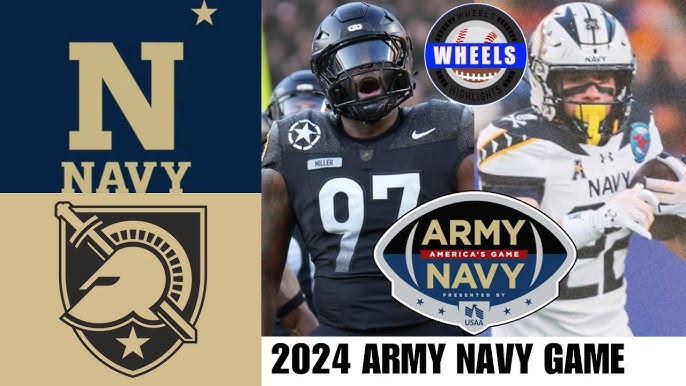
The debate between the Army vs Navy is one that has sparked discussions for generations. Each branch of the military offers unique roles and responsibilities, catering to diverse missions and environments. In this blog post, we will explore the key differences between the Army and Navy, their respective missions, and the impact they have on national security.
1. Overview of the Army and Navy
The Army is the land warfare service branch, primarily responsible for ground-based military operations. It engages in combat, peacekeeping, and stability operations to ensure national security. Founded in 1775, the Army is the oldest military branch in the United States, playing a critical role in every major conflict.
The Navy, on the other hand, focuses on naval and maritime operations. Established in 1775 as well, the Navy’s mission is to maintain freedom of the seas, protect maritime interests, and provide humanitarian assistance during crises. Navy forces operate mainly on and under the water, employing various vessels and submarines.
2. Core Missions
- Army Missions: The Army mainly engages in ground combat, which can include infantry, armor, artillery, and air defense operations. Its missions are designed to protect and defend the country from land-based threats.
- Navy Missions: The Navy’s core mission involves securing sea lanes, projecting power from the sea, and conducting maritime operations that can include intelligence gathering and control of international waters.
3. Training and Preparation
Training for both branches is rigorous, yet distinct. Army recruits undergo Basic Combat Training (BCT), which focuses on land combat, weapon proficiency, and physical fitness. They are prepared to handle various terrains and conditions.
For the Navy, training emphasizes naval operations, shipboard duties, and survival skills at sea. Recruits attend Navy Boot Camp, where they learn essential skills for life at sea, maritime navigation, and teamwork on floating platforms.
4. Technology and Equipment
In the realm of technology, both branches have significant advancements:
- Army Technology: The Army operates advanced combat vehicles, drones, and weapon systems. Technologies like the Joint Light Tactical Vehicle (JLTV) and advanced communication gear are critical to their operational efficiency.
- Navy Technology: The Navy boasts cutting-edge ships, submarines, and aircraft. Technologies such as aircraft carriers, destroyers, and the utilization of unmanned vehicles play pivotal roles in naval operations.
5. Career Opportunities
Both the Army and Navy offer a variety of career paths. In the Army, careers range from infantry roles to special operations, logistics, and engineering positions. The Navy offers career options in areas such as aviation, engineering, medicine, and skilled trades. Each branch provides valuable experience and benefits that can translate into civilian careers.
6. Cultural Differences
The culture within the Army and Navy can also vary. The Army emphasizes camaraderie and has a more structured hierarchy, while Navy culture often embraces a more relaxed yet disciplined lifestyle on ships. Each branch develops unique traditions, camaraderie, and inter-service relationships.
7. Collaboration and Joint Operations
While the Army and Navy operate distinctly, they often collaborate in joint missions. Operations such as humanitarian assistance, disaster relief, and combat deployments frequently see both forces working together. This collaboration enhances the effectiveness of military operations globally.
8. Conclusion
The Army vs Navy debate is not just about which branch is superior; it reflects the unique and essential roles each plays in securing our nation. Understanding the distinctions between the two promotes respect for those who serve and insight into the complexities of military operations.
For more insights into the comparison between these two military branches, you can watch this enlightening video on YouTube: Army vs Navy – A Detailed Comparison.