
Understanding the LaGuardia Plane Crash
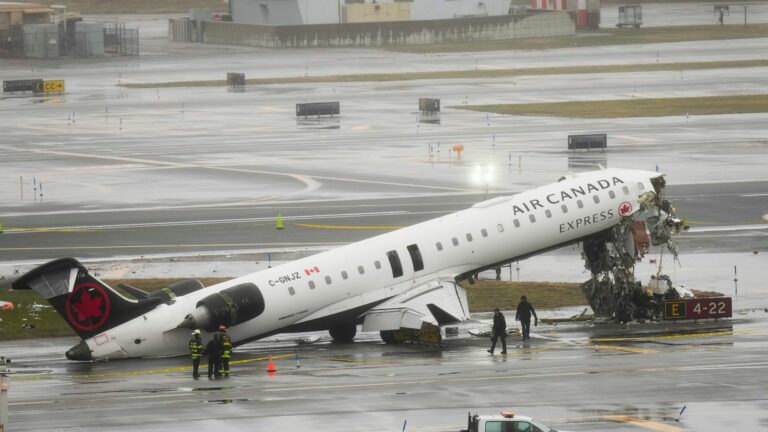
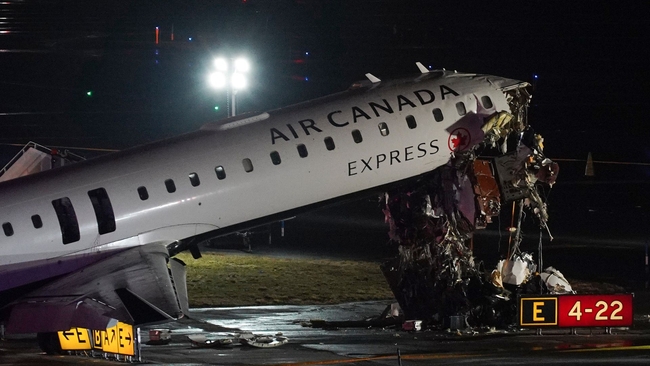
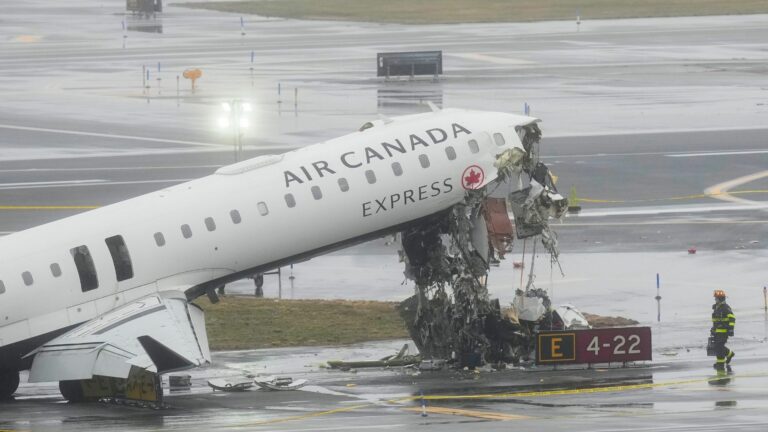
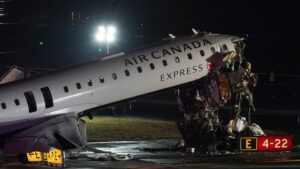
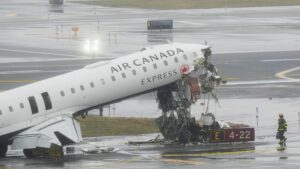
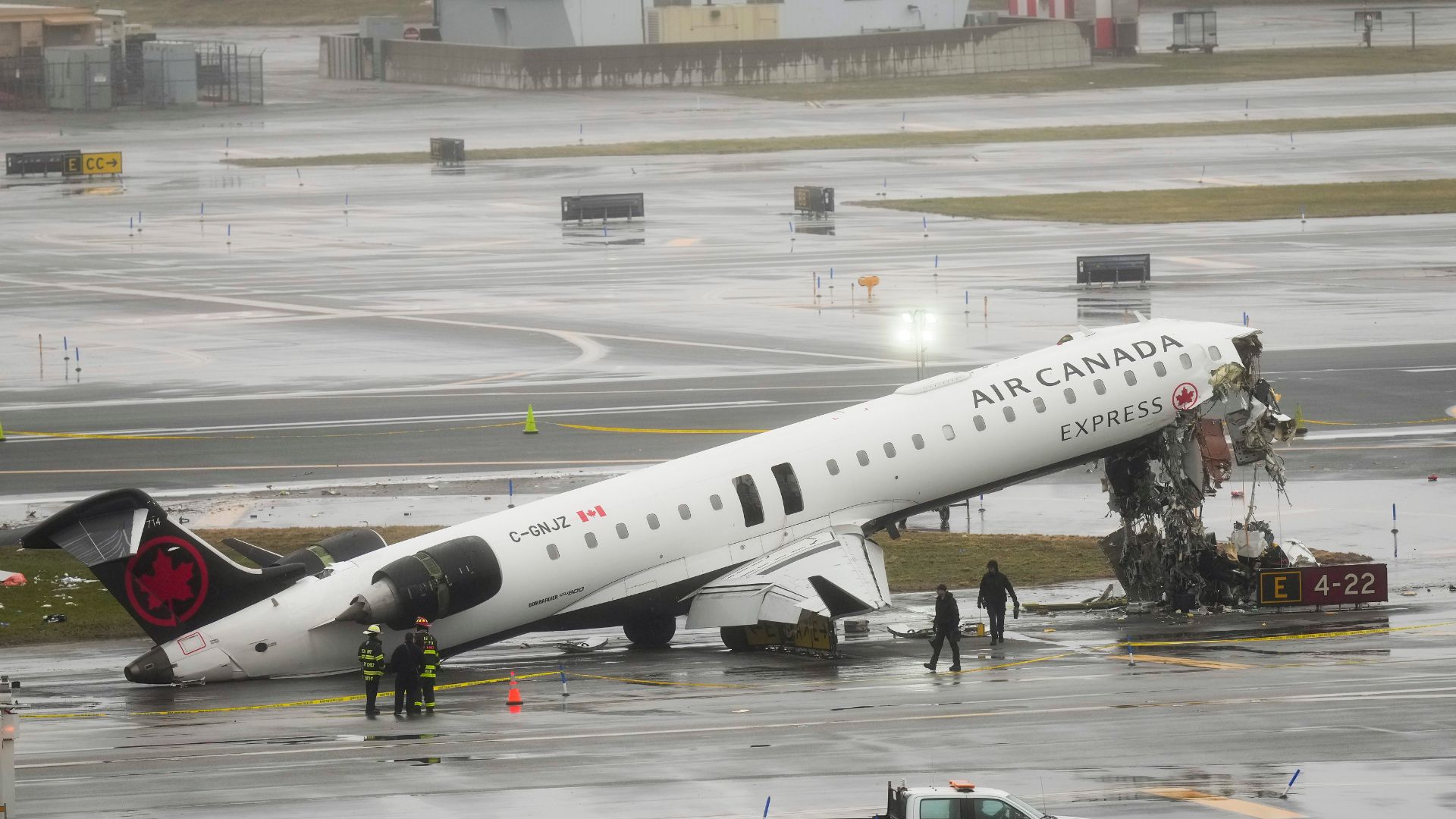
On March 23, 2026, a tragic incident unfolded at LaGuardia Airport, as an Air Canada aircraft collided with a rescue vehicle on the runway. This event, which led to the unfortunate deaths of two pilots and multiple injuries among the crew and passengers, has drawn significant media attention and raised questions about airport safety protocols.
An Overview of the Incident
The crash occurred just before 5:30 a.m. local time. Eyewitnesses reported hearing a loud noise and seeing a plume of smoke rising from the scene as emergency responders rushed to tackle the situation. The incident resulted in the immediate closure of LaGuardia Airport, creating significant disruptions in air travel across the region.
More details about the crash can be found on this news report.
Immediate Response and Impact on Flights
Following the collision, first responders worked tirelessly to stabilize the situation. The airport was reopened later that day, but operations returned to normal only after extensive safety checks were conducted. According to reports from ABC7 New York, the Federal Aviation Administration (FAA) established new guidelines regarding aircraft and emergency vehicle movements in busy airports, emphasizing the need for clear communication and stringent compliance with safety protocols.
Casualties and Injuries
The crash resulted in the death of two pilots and numerous injuries, some of which required hospitalization. Investigation into the casualty details and medical responses is underway as authorities conduct a thorough inquiry to ensure accountability is maintained across all individuals involved.
The Broader Discussion on Air Travel Safety
This incident has reignited discussions on air travel safety, particularly about how airports manage emergency vehicle operations in conjunction with active flight operations. Experts argue that while accidents involving ground vehicles and aircraft are rare, increased vigilance and better technology could mitigate the risks.
Technological Enhancements in Airport Safety
Many in the aviation industry believe that the implementation of advanced technologies, such as automated ground traffic management systems, could play a key role in enhancing safety. Systems that provide real-time data on runway conditions and movements of all vehicles at airports may drastically reduce human error and improve situational awareness.
The Role of Training and Protocol Reviews
Reviewing existing protocols frequently and ensuring that all ground staff are well-trained is paramount. Utilization of simulation training can also enhance emergency preparedness among airport personnel.
Government Regulations and Accountability
The government’s role in ensuring that all aviation policies comply with the highest safety standards will be crucial as investigations proceed. Those found negligent in their duties should be held accountable, ensuring that similar tragedies do not occur in the future.
Community Response and Remembrance
The news of the LaGuardia plane crash has deeply affected the local community and aviation circles. Memorials for the deceased pilots have already begun appearing, with various organizations calling for increased awareness around aviation safety.
Conclusion
The LaGuardia plane crash serves as a sobering reminder of the inherent risks associated with air travel and the dire consequences of lapses in safety protocols. As investigations unfold, it will be crucial for both the aviation community and regulatory bodies to come together to ensure that safety remains the top priority.