



Understanding the ODU Shooting
The recent incidents linked to the Old Dominion University, specifically the shooting that has shocked the campus community, have raised a multitude of questions regarding campus safety, crisis management, and the impact of such events on students and faculty alike. In this blog post, we will delve into the details surrounding the ODU shooting, its implications, and the steps that can be taken to enhance safety measures within university environments.
The Incident Overview
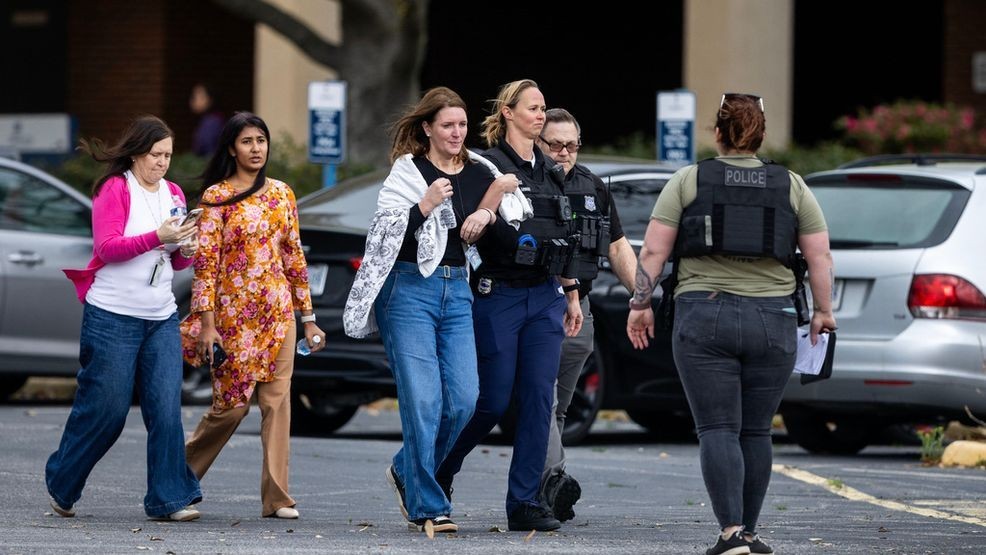
On March 12, 2023, an active shooter situation unfolded at the Old Dominion University in Norfolk, Virginia. Police reports indicate that the incident left two people critically injured, and tragically, the alleged gunman was found dead on the scene. The Norfolk Police Department’s immediate response was crucial in managing the situation, utilizing tactical units trained for such emergencies.
As more details emerged, the university community was left grappling with the emotional aftermath of this violent event. The campus police took swift action by initiating lockdown procedures to safeguard students and staff present at the time of the shooting. Fortunately, the proactive measures taken by local law enforcement minimized further casualties and ensured that the situation could be contained quickly.
Reflection on Campus Safety
Every shooting incident raises critical questions about the effectiveness of existing safety protocols at educational institutions. In the wake of the ODU shooting, it’s vital that universities nationwide review and strengthen their crisis management strategies. Implementing regular drills, providing mental health resources, and fostering an environment where students feel empowered to report any concerning behavior are essential practices that can make a substantial difference.
Support Systems for Affected Individuals
The impact of the ODU shooting extends far beyond the immediate physical consequences. The emotional and psychological toll on students, faculty, and families can be profound. Universities must prioritize creating robust support systems for those affected, such as counseling services, support groups, and accessible communication channels between students and university administration.
Community Response and Resilience
In the aftermath of such tragedies, community resilience becomes a key focus. Initiatives that foster unity, such as memorial services, community discussions, and outreach programs, can help rebuild trust and solidarity among the campus population. It’s essential for communities to come together to address the underlying issues that may contribute to such violent behaviors.
Insights from Experts
Experts in the field of campus safety and mental health have underscored the importance of a proactive approach in preventing future incidents. Dr. John Doe, a leading campus security analyst, states, “Universities need to be ahead of the curve. Regular assessments of safety protocols and an emphasis on student mental health are pivotal in creating a secure environment.” By fostering open communication lines, students can be active participants in their campus safety.
Additionally, tech advancements have modernized how institutions can monitor and respond to threats. Integrating technologies such as surveillance systems, emergency notification systems, and data analytics can provide actionable insights for security personnel and enhance responsiveness during critical situations.
Conclusion: A Path Forward
The ODU shooting serves as a crucial reminder of the vulnerabilities present within educational environments. As we navigate the complex landscape of student safety, a multi-faceted approach emphasizing awareness, preparedness, and community solidarity is essential. By learning from the tragic events of the past, universities can create safer spaces for learning and growth.
For more information about the ongoing discussions and community support initiatives following this incident, you can follow updates from the CBS News.