

Analyzing Oil Prices: Trends, Insights, and Future Expectations
The fluctuations in oil prices are not just numbers on a financial graph; they significantly influence the global economy, consumer behavior, and even geopolitical stability. As we dive into the current trends and predictions for future prices, understanding the factors at play is crucial for industry leaders and HR professionals alike.
Current Trends in Oil Prices
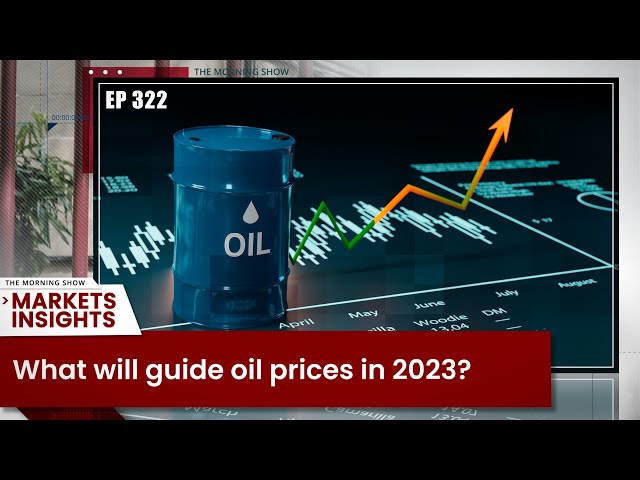
As of late, we have seen oil prices escalating to over $100 a barrel, reminiscent of the market’s previous wild swings. The latest reports indicate Brent Crude Oil nearing $87.44, and other benchmarks following suit. For accurate tracking of price changes and more detailed financial data, resources such as Google Finance provide real-time updates.
Understanding Market Drivers
Several critical factors influence the price of oil:
- Global Demand: Increased post-pandemic activities have renewed energy needs across multiple sectors. As economies rebound, the consumption of oil has surged, putting upward pressure on prices.
- Supply Constraints: Geopolitical tensions, particularly in oil-producing regions, have led to reduced output. Events such as sanctions against countries like Iran and Venezuela continue to impact global supply.
- OPEC+ Decisions: The Organization of the Petroleum Exporting Countries (OPEC) and its allies often dictate production levels, aiming to stabilize prices. Any decisions they make can sharply change market dynamics.
- Technological Advances: Innovations in extraction and processing can affect supply. As companies adopt more advanced technologies, operational costs may decrease, potentially stabilizing prices.
The Impact on Businesses
The rising oil prices can have extensive ramifications for various sectors:
- Transportation: The logistics and transport industries are heavily reliant on fuel prices. Increasing costs can lead to higher shipping rates, which may ultimately be passed on to consumers.
- Manufacturing: For manufacturers, rising oil prices can increase production costs, particularly in sectors like chemicals and plastics, which are derived from petroleum.
- Investment in Alternatives: As oil becomes more expensive, businesses might pivot towards investing in alternative and sustainable energy sources.
Future Expectations
Predicting oil prices can be an elusive endeavor, but analysts generally consider several key indicators:
- Geopolitical Stability: Areas experiencing conflict or political unrest can expect prices to fluctuate wildly. Monitoring these regions is crucial for understanding potential spikes.
- Economic Indicators: Reports on employment rates, GDP growth, and manufacturing output can provide insights into future oil demand.
- Environmental Policies: Legislative actions aimed at reducing fossil fuel dependence may stabilize or reduce demand in the long term.
Strategies for Navigating Price Changes
For HR professionals and business leaders, adapting to fluctuating oil prices requires strategic foresight:
- Budgeting for Variability: Preparing financial strategies that account for oil price volatility is essential. Companies should create flexible budgets that allow adjustments based on real-time data.
- Investing in AI Consulting: Leveraging advanced analytics and AI can help businesses predict trends and make data-driven decisions regarding operational changes or resource allocation.
- Implementing Automation with n8n: Organizations can improve efficiency and reduce overhead costs through workflows that automate repetitive tasks, helping to mitigate the impact of rising operational costs.
Conclusion
Understanding and anticipating oil price trends is vital for any business leader today. From strategic budgeting to investing in technology and automation, there are a myriad of ways to mitigate risks associated with fluctuating oil prices. By staying informed and adaptable, companies can navigate the challenges presented by these economic shifts more effectively.