



Understanding the Union City Michigan Tornado
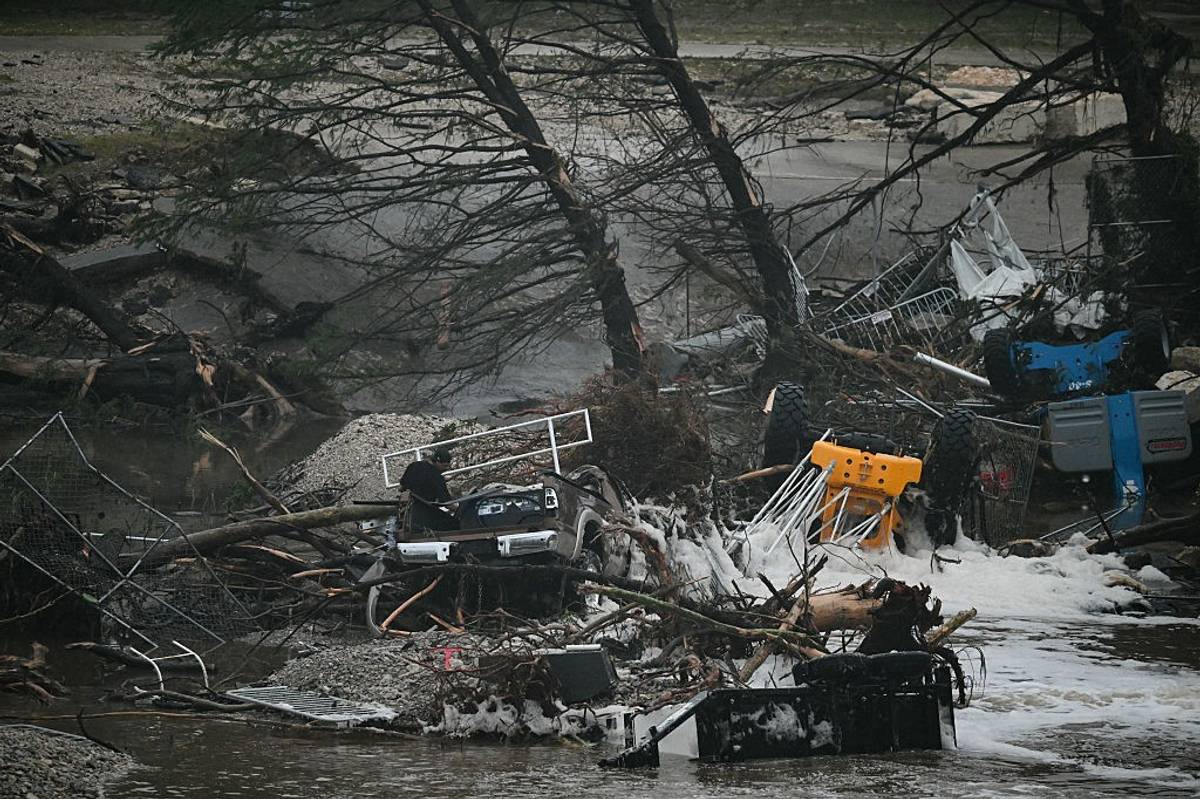
On March 6, 2026, the small town of Union City, Michigan was struck by a devastating tornado that left a path of destruction and a profound impact on the community. This natural disaster serves as a sobering reminder of the power of nature and the resilience necessary to recover from such events.
The Impact of the Tornado
Reports indicate that the tornado was classified as an EF4, with winds reaching up to 170 miles per hour. Tragically, this storm resulted in the loss of several lives and numerous injuries. Local emergency services were challenged as they responded to widespread devastation, with homes destroyed and essential infrastructure severely damaged.
As communities across Michigan brace for the impacts of severe weather, many are reflecting on the events of that day. Families were displaced, and local businesses faced significant losses due to the tornado’s destruction.
The Human Response
The aftermath of the tornado has inspired incredible acts of solidarity among residents. Community organizations have mobilized to provide assistance to those affected. From food banks to fundraising efforts, the response has highlighted the strength and resilience of the Union City community.
Community and State Support
Local and state officials responded quickly to assess damage and provide aid. Help from the Federal Emergency Management Agency (FEMA) has also been critical in providing the necessary resources for recovery. Residents were urged to document their losses to access relief funds more effectively.
Looking Forward: Rebuilding and Moving On
The focus is now on rebuilding Union City, not just restoring physical structures but also the spirit of the community. Local leaders are laying out plans to enhance infrastructure resilience against future storms. This includes stronger building codes and improved disaster preparedness strategies.
Preparedness and Awareness
This tornado serves as a pivotal moment for Union City and other municipalities across Michigan to prioritize disaster preparedness. Engaging the community in emergency planning and education can help mitigate the effects of future tornadoes and other natural disasters.
Conclusion
The Union City tornado is a painful chapter in Michigan’s history, yet it brings an opportunity for growth and resilience. As individuals and families navigate the challenges ahead, the community’s strength and solidarity will be crucial in rebuilding and thriving once more.
For a deeper understanding of the broader context, including weather patterns and emergency management policies post-disasters, visit this link. This resource discusses similar weather-related incidents and recovery strategies. It’s essential to learn not only from our own experiences but also from others who have faced these challenges.