

Understanding the Complex Landscape of Iran: Recent Developments and Global Implications
As the world watches closely, the situation in Iran continues to evolve, with significant media coverage highlighting its complexities. In this post, we will explore the latest Iran news from various perspectives, including political maneuvers, social unrest, and nuclear discussions.
Ongoing Protests and Government Response
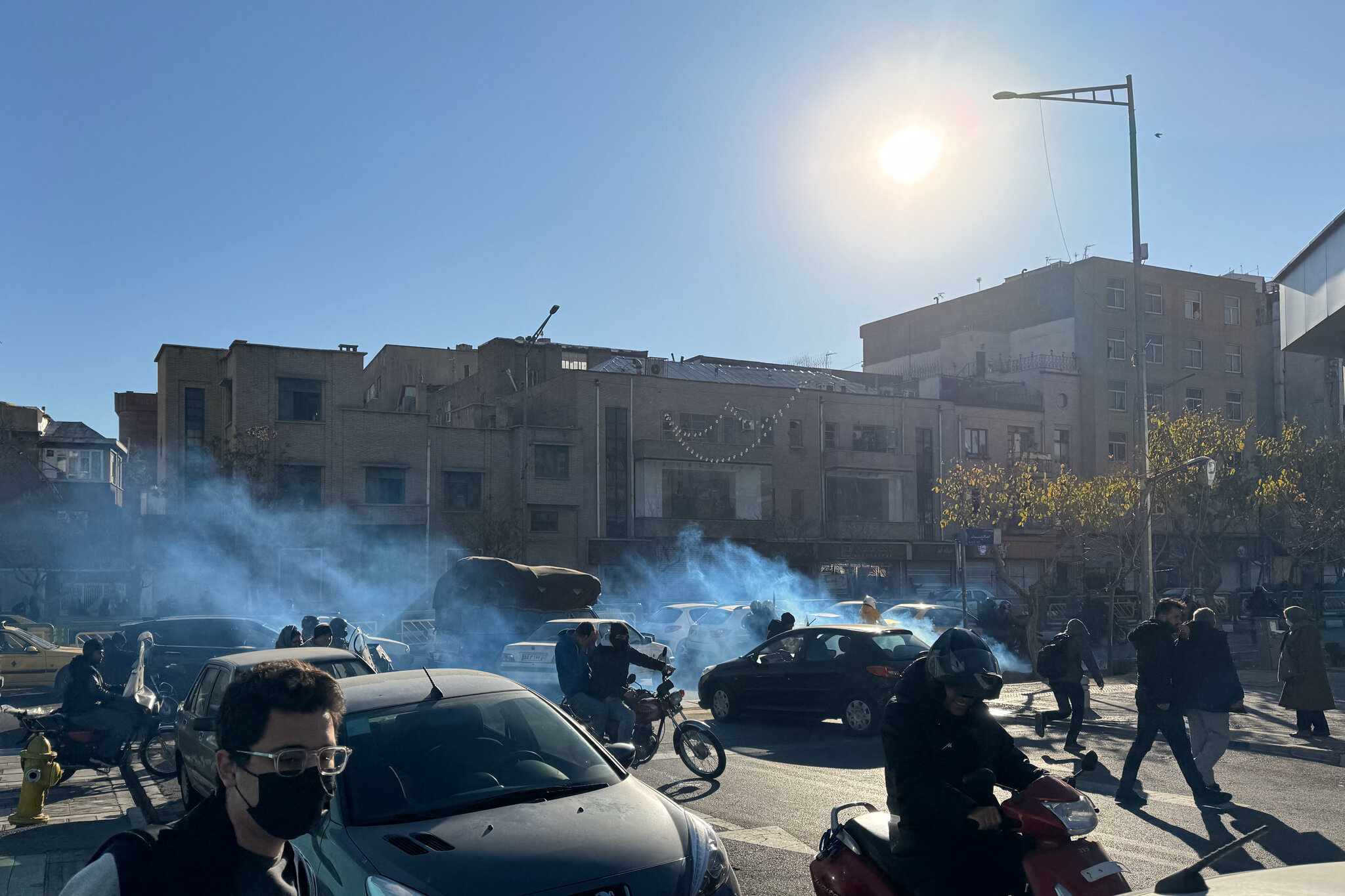
Recent protests in Iran have been met with strong governmental responses. Reports indicate that over 120 protesters were injured specifically due to aggressive actions taken by security forces. Many protestors expressed feelings of oppression and despair, claiming that their rights were being routinely violated.
The Iranian government’s actions have sparked outrage both domestically and internationally, leading to calls for accountability from global human rights organizations.
International Relations and the Nuclear Agenda
In a related vein, the International Atomic Energy Agency (IAEA) found Iran to be non-compliant with its nuclear safeguard obligations. This finding prompted fears of escalating tensions in the Middle East and drew the scrutiny of Western leaders.
Iran’s nuclear ambitions have raised alarms, especially with heightened rhetoric concerning potential military confrontations. A recent U.S. intelligence assessment indicated Iran might be on the brink of nuclear weapon capability, intensifying discussions around potential military action.
U.S.-Iran Relations: Recent Talks
In a surprising turn of events, Iran announced that talks with U.S. officials in Oman had made some progress, which they referred to as ‘a good start.’ This dialogue comes at a time when the U.S. is urging Iran to reconsider its aggressive posture in the region. The dynamics are especially crucial given the role of surrounding countries and global powers like China, which have been asked to influence Iran’s behavior favorably.
The Role of the International Community
How does the international community respond to these developments? Countries like Russia and China play pivotal roles in the geopolitical chess match surrounding Iran, often seeking to balance their interests while addressing global concerns of peace and security.
Furthermore, recent reports suggest that Iran’s actions in the Strait of Hormuz have put it at odds with U.S. interests. As tensions rise, the implications for global oil markets and trade routes become dire, necessitating a careful analysis of strategies to manage these tensions.
Conclusion: The Path Forward for Iran and Its Global Partners
The situation in Iran remains fluid and incredibly complex. As protests continue and nuclear negotiations evolve, the potential for conflict remains a critical concern for global leaders. It is essential for all parties involved to strive for a peaceful resolution and prioritize human rights as discussions about Iran’s future proceed.
For those wishing to delve deeper, you can stay updated on the situation through The New York Times’ follow-up reports and analysis.