



Remembering Jesse Jackson: A Civil Rights Icon
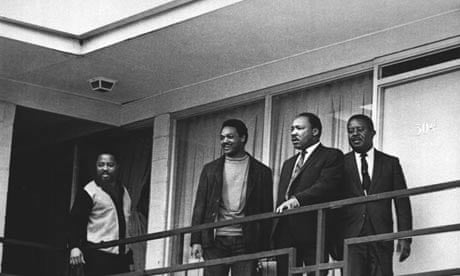
Jesse Jackson, the celebrated civil rights leader, passed away on February 17, 2026, at the age of 84. His contributions to the civil rights movement and his efforts to champion the voices of the marginalized have left an indelible mark on American history. This blog post honors his legacy and explores his impactful life.
The Life and Times of Jesse Jackson
Born on October 8, 1941, in Greenville, South Carolina, Jesse Louis Jackson, originally named Burns, quickly became a formidable figure in the American civil rights landscape. He was a protégé of the renowned civil rights leader Martin Luther King Jr. and was instrumental in several pivotal moments in the movement. Jackson founded the Rainbow Coalition and was a two-time presidential candidate, advocating tirelessly for the rights of poor and working-class people.
With a powerful oratory style, Jackson’s speeches mobilized many individuals during the civil rights movement, and his ability to connect with the public remains unparalleled. His campaigns for the presidency in 1984 and 1988 were significant, as they brought issues of racial justice and economic inequality to the forefront of national discourse.
A Legacy of Activism
Jesse Jackson was not just an activist; he was a revolutionary thinker who believed in the potential of a ‘rainbow coalition’ that united diverse groups across racial and class lines. This vision resonated with many and became a rallying point for collective action. Jackson’s advocacy efforts extended beyond race; he also focused on issues such as healthcare, education, and economic justice, always intertwining these themes with an unwavering commitment to equality.
His influence is evident in the multitude of tributes that poured in after his passing. Colleagues, public figures, and ordinary citizens recognized Jackson as a profound agent of change, a moral leader who paved the way for subsequent generations of civil rights advocates. As President Biden stated in his tribute, “He opened the door to so many, and his legacy will inspire us to continue his work.” Understanding Jackson’s relentless drive for justice offers valuable insights for current civil rights activists and business leaders alike.
Transitioning to the Modern Era
As we reflect on Jackson’s contributions, it’s crucial to acknowledge how they resonate profoundly in today’s corporate world. His dedication to social justice serves as a model for organizations seeking to implement diversity, equity, and inclusion in their cultures. The awareness he bred regarding the intersectionality of race, class, and justice can guide businesses in creating equitable workplaces that respect and celebrate diversity.
Moreover, Jackson’s legacy invites HR professionals and business leaders to consider how modern initiatives like those powered by AI and automation can facilitate social change. Incorporating AI tools to track diversity within the workforce, automate equitable hiring practices, and streamline communication can help maintain a commitment to fairness and justice that Jackson championed.
Jackson’s Enduring Influence on Policy
Jesse Jackson’s influence goes beyond activism; he significantly impacted policy discussions concerning civil rights, social justice, and economic equity. His collaboration with various administrations during the 1980s and 1990s laid a groundwork for discussions that remain relevant today. From advocating for fair housing policies to pushing for healthcare reforms, Jackson worked at every level of government to ensure that the voices of the marginalized were heard.
Jackson’s efforts to engage politicians and foster dialogue across party lines exemplify effective advocacy done right. In a world polarized by political divisions, his approach serves as a reminder that infrastructure for change often relies on collaborative dialogue, a lesson that today’s leaders can carry forward.
A Call for a New Generation of Leaders
As we mourn the loss of Jesse Jackson, it becomes imperative for the new generation of leaders to rise to the occasion. His legacy calls for renewed action in the fight for civil rights and economic justice, encouraging young activists and professionals to continue the journey he began. Jackson himself emphasized that while we honor those who fought before us, the struggle continues, and it is now ours to sustain.
Organizations, both non-profits and corporate entities, hold the power to enact meaningful change within their communities. As they implement new strategies that echo Jackson’s teachings—whether through community partnerships, ethical business practices, or proactive policies—they can exemplify leadership committed to justice.
Conclusion: The Enduring Legacy of Jesse Jackson
Jesse Jackson’s passing marks the closure of a pivotal chapter in the civil rights saga, yet also ignites a flame for future generations. His dedication, charisma, and unwavering commitment to justice should inspire us as we navigate our roles in this ongoing narrative.
Whether as business leaders, HR professionals, or activists, we are challenged to honor his memory by furthering the mission of equality and justice. In this endeavor, let us remember Jesse Jackson not solely for what he achieved but for the foundation he laid—one that calls upon us all to dream bigger, fight harder, and collaborate more effectively for a fairer tomorrow.
For those seeking to understand more deeply the life and legacy of Jesse Jackson, the Guardian’s obituary offers a detailed account of his remarkable contributions. Additionally, the New York Times reflects on his influence, framing his legacy within the context of contemporary civil rights advocacy.