



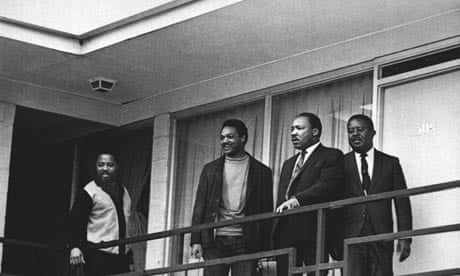
Jesse Jackson Death: Remembering a Civil Rights Icon
Today, the world mourns the loss of Jesse Louis Jackson, a towering figure in the American civil rights movement, who passed away at the age of 84. His death marks the end of an era for many who revered his passionate advocacy for equality and justice. As we reflect on his profound impact on society, we also celebrate his remarkable journey and the enduring legacy he leaves behind.
Born on October 8, 1941, in Greenville, South Carolina, Jesse Jackson rose to prominence as a charismatic leader who played a crucial role in advocating for civil rights. His activism began in earnest during the 1960s, where he worked alongside the revered Dr. Martin Luther King Jr. as a part of the Southern Christian Leadership Conference (SCLC). Jackson’s moral and political voice emerged distinctly during this time, as he fought tirelessly for the rights of African Americans, poor individuals, and marginalized communities.
Jackson’s contributions were not limited to grassroots activism; he also ventured into national politics, running for the Democratic presidential nomination in both 1984 and 1988. His campaigns were groundbreaking, establishing a foundation for future leaders of color in the United States. Jackson’s message of hope and change resonated with many, bringing together a “rainbow coalition” of diverse groups united in their pursuit of equality.
The Legacy of Jesse Jackson
Throughout his life, Jackson was a relentless champion of the underprivileged. His efforts spanned various issues, from fighting against systemic racism to advocating for economic justice, health care access, and voting rights. Jackson’s campaigns were often intertwined with a powerful oratory style that inspired countless individuals to take a stand for their rights.
His work led to significant changes in legislation and public perception. One of his notable achievements was in enhancing the representation of African Americans in politics and public life. Jackson’s ability to galvanize public support resulted in increased voter registration and participation among Black Americans, laying the groundwork for leaders to come.
Jackson’s influence extended beyond politics; he was also known for his work in the corporate sector, establishing Rainbow PUSH Coalition to advocate for economic empowerment and equal opportunities for African Americans and other minorities in America’s workforce.
A Time for Reflection
As we reflect on Jesse Jackson’s death, we are reminded of the struggles he faced and the victories he earned. The emotional statements from his family highlight his commitment not only to his family but to all who sought justice and equity. His son, Jesse Jackson Jr., described his father as a servant leader who dedicated his life to uplifting the voiceless and the oppressed.
Jackson’s passing leaves a profound void in the ongoing fight for civil rights. His legacy will undoubtedly inspire future generations to continue the work he dedicated his life to—creating a more just and equitable society.
Conclusion
In conclusion, the death of Jesse Jackson symbolizes the end of an era in civil rights activism. As we pay tribute to his monumental life, we acknowledge the road ahead. The struggle for equality continues, guided by the principles and passion that Jackson embodied throughout his life. In honoring his memory, we must commit ourselves to the cause he championed, ensuring that his legacy of fighting injustice and advocating for human rights lives on. For more on Jesse Jackson’s life and impact, visit [The Guardian](https://www.theguardian.com/us-news/2026/feb/17/jesse-jackson-civil-rights-icon-dies) and [The New York Times](https://www.nytimes.com/2026/02/17/us/jesse-jackson-dead.html).