


Sean Grayson and the Case of Sonya Massey: A Tragic Intersection of Law Enforcement and Community Safety
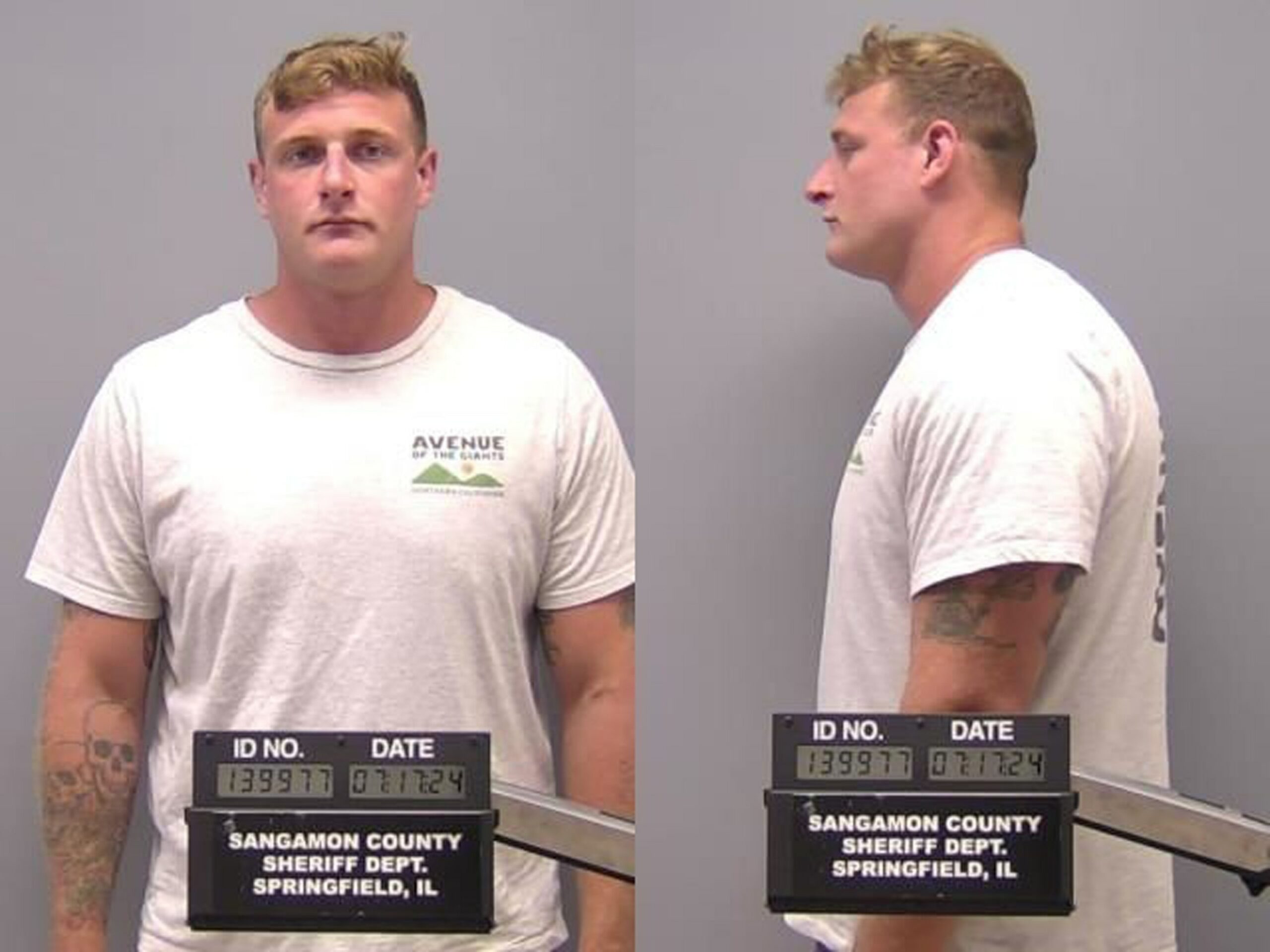
The murder of Sonya Massey has become a poignant topic of discussion, echoing the broader dialogues around police conduct, community trust, and the justice system. On July 6, 2024, Sonya Massey, a 36-year-old Black woman, was fatally shot by Sean Grayson, a former sheriff’s deputy in Sangamon County, Illinois. This incident did not just end a life; it has sparked a reckoning about how police forces interact with communities, particularly marginalized ones. The details surrounding this case not only reveal disturbing actions resulting in criminal charges for Grayson but also raise significant questions about the state of law enforcement. We will explore the developments of this tragic case, its implications for public safety, and community trust in law enforcement.
On that fateful day, Sonya had called 911 to report a suspicious person lurking in her neighborhood. However, the law enforcement response spiraled into tragedy when Grayson shot her, citing fears for his safety while she was holding a kitchen utensil filled with hot water. The shocking details were compounded by the release of body camera footage showing her expressing palpable fear, pleading, “Please, don’t hurt me,” just moments before her life was taken. These events led to a series of legal actions against Grayson for second-degree murder, culminating in a conviction that reflects a larger systemic issue within police policies.
Legal Consequences and Sentencing
In October 2025, a jury found Sean Grayson guilty of second-degree murder in the shooting of Sonya Massey, resulting in a 20-year prison sentence. The trial was significant not only for the charges but also due to the outpouring of community support for Massey’s family and the greater push for police reform. Many community members felt that justice was served, but the overwhelming grief surrounding the case remains palpable. Should police training and community engagement practices shift as a direct result of incidents like Massey’s murder? Many advocacy groups think it is critical.
The Aftermath: Community Responses
Massey’s death ignited a wave of protests and discussions about the need for police reform. There has been a renewed focus on police hiring practices, highlighted by legislation drawn from her case that aims to improve the thoroughness of background checks for aspiring police officers in Illinois. The ‘Sonya Massey Bill’ represents a significant step, aligning with calls for broader accountability and transparency within law enforcement agencies.
Additionally, communities are encouraged to engage in proactive dialogues with law enforcement to restore trust and foster collaborative safety solutions. Many advocate for implementing community oversight boards, mental health training for officers, and de-escalation training as vital components in reforming police protocols.
Wider Implications for Law Enforcement Policy
The incident involving Sonya Massey intersects with a broader narrative around police violence against people of color, fueling nationwide conversations about systemic racism within the justice system. Research shows that unarmed Black individuals face disproportionately high rates of police violence, igniting movements across the country. The ramifications of Grayson’s actions raise disconcerting questions about how law enforcement handles situations involving mentally distressed individuals or those perceived to pose no imminent threat.
Furthermore, the timeline of events leading to Massey’s death accentuates the need for comprehensive mental health response programs that can mitigate violent outcomes in stressful situations. Many advocates argue that a paradigm shift is necessary from a solely reactive approach to a preventative one, where mental health professionals can play a key role alongside police during emergency calls.
Conclusion: Changing the Dialogue Around Police Conduct
The tragedy of Sonya Massey’s murder by Sean Grayson is not merely a legal matter; embodying a call for deeper reflection on how society, the law, and law enforcement operate. As communities respond with grief mixed with resolve, the call for justice moves beyond a courtroom into the very fabric of police-community relationships. Ensuring that incidents like Massey’s do not repeat requires unwavering commitment to change—change that involves re-education, understanding, and continuous engagement between police departments and the communities they serve. This case is a heartbreaking reminder of what is at stake and the urgent need for reform.
For further insights, you can read more about the case at ABC News and NBC News.