



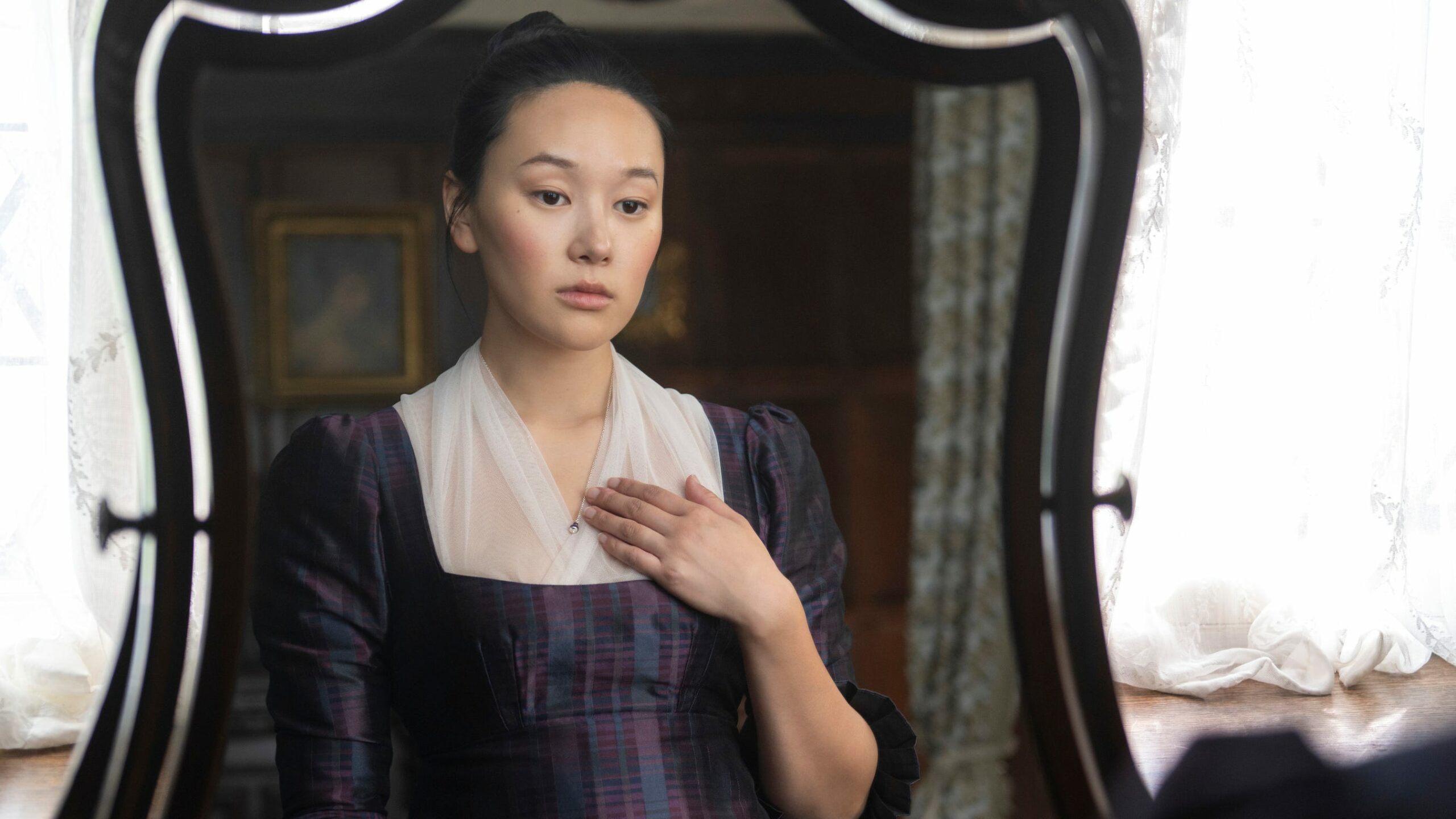
What is a Ward in Bridgerton? Understanding Sophie’s Backstory
Fans of the Netflix original series Bridgerton have been swept away by the opulence, romance, and drama of Regency-era London. As we delve into the intricacies of characters, it’s essential to explore the terminology and relationships that shape their stories. One significant term that has recently captured the attention of viewers is the word “ward” as used in the context of the character Sophie Baek. This article aims to elucidate the meaning of the term, its implications for Sophie’s character, and its relevance within the narrative of Bridgerton.
What Does “Ward” Mean?
The term “ward” has its origins in the 19th century and traditionally refers to a person, typically a minor, who is placed under the protection and care of an adult, usually due to the absence of parental guardianship. In contemporary settings, a ward may be a child or even an incapacitated adult who requires oversight and guidance. The relationship is often bound by legal jurisdictions and guardianship responsibilities.
However, in the specific context of Bridgerton, the usage of the term becomes layered with social implications and emotional connections. The character Sophie Baek, a key figure introduced in Season 4, is referred to as the ward of Lord Penwood, which intriguingly highlights her precarious social standing.
Understanding Sophie’s Status in Society
Sophie’s emergence as a ward is more than just a title; it reflects her dependence on Lord Penwood. This reliance stems from her background as an orphan and her societal limitations, as she navigates the challenging landscape of Regency social structures. The term “ward” accentuates her vulnerability and the dichotomy of power in their relationship.
In the intricate world of Bridgerton, where social class plays a pivotal role in defining a person’s worth, being a ward carries significant weight. It places Sophie in a position where she is both protected and constrained, illustrating the complexities of human relationships in a time where societal norms dictate personal trajectories.
The Narrative Significance of the Ward Role
In many ways, the role of a ward serves as an essential plot device in Bridgerton. The tension between autonomy and obligation creates a fertile ground for dramatic storytelling. As viewers, we witness Sophie’s struggle not just for love and acceptance but for her own identity beyond being simply a ward.
This dynamic is vividly explored when she is introduced as Lord Penwood’s ward. The title serves to explain not only her relationship with him but also sets the stage for her personal journey throughout the season. As the audience learns more about her past and the hardships she has faced, the term evolves into a symbol of hope, resilience, and ultimately, self-discovery.
Symbolism and Themes Associated with the Ward Concept
The concept of a ward encapsulates various themes prevalent in Bridgerton: class struggle, the search for autonomy, and the quest for love. The struggles that Sophie faces depict the harsh realities many women endured during the Regency period, where their fates were often tied to the whims of male guardians.
Through her journey, the narrative highlights the important theme of empowerment. Sophie’s evolution from being perceived solely as a ward to a character who asserts her own will demonstrates the essential X factor in Bridgerton’s storytelling — the ability for love and courage to transcend societal confines.
Conclusion
As we watch Bridgerton unfold and witness the complexities of Sophie Baek’s character, understanding what it means to be a ward enhances our appreciation of her struggles and triumphs. It serves as a lens through which we can explore broader social themes and personal narratives that are intricately weaved into the storyline.
For fans eager to delve deeper into the meaning behind the term, check out this enlightening article on Cosmopolitan, which details Sophie’s relationship to Lord Penwood as a ward and its implications for her storyline.
Ultimately, Bridgerton continues to captivate audiences by bringing to light not only the glamor of the era but the individual human experiences that reside within its richly crafted regions. The term ward encapsulates this beautifully, revealing just how deeply our backgrounds and societal structures can influence the paths we traverse.