



Amazon Fresh Grocery Stores Closing: What It Means for the Future of Grocery Shopping
In recent news, Amazon has announced the closure of several Amazon Fresh grocery store locations, igniting conversations about the future of retail and the grocery landscape. This decision aligns with a broader strategy to streamline operations and focus on their Whole Foods Market expansion, raising critical implications for grocery shopping trends and Amazon’s business model.
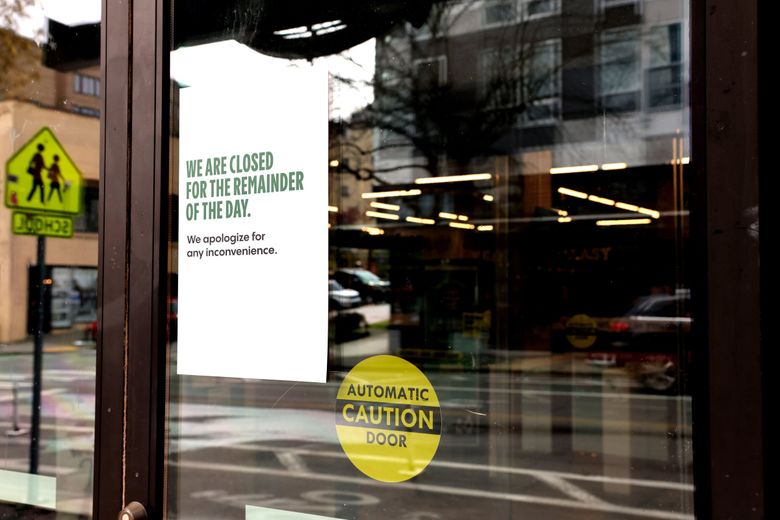
According to reports, Amazon is set to close stores in La Habra, La Verne, Mission Viejo, and Whittier in Southern California, as well as another smaller Fresh grocery store in Seattle’s Capitol Hill neighborhood. This reflects a substantial shift in Amazon’s approach to physical grocery retail, after extensive evaluation of its performance. Source
Understanding Amazon Fresh and Its Position in the Market
Amazon Fresh launched as part of the company’s strategy to expand into the grocery space, aiming to provide a seamless shopping experience that combined online and in-store shopping. However, the version of the Amazon Fresh store has evolved through various iterations, with different layouts and offerings, making it crucial to understand its intent and how it has adapted over the years.
Initially, Amazon aimed to launch physical stores that could leverage its advanced technology to enhance customer experiences—think advanced checkout systems and integration with Amazon’s delivery network. However, despite attempts to carve out a significant niche in the grocery retail market, the response hasn’t met expectations, making closures a strategic necessity.
The Implications of Store Closures
Internet retail has radically transformed how consumers shop, with an increasing push toward convenience that online grocery services promise. Still, Amazon’s retreats from certain physical store formats signal a potential recalibration in their retail strategy. The closures could indicate a focus on optimizing their Whole Foods Market brand, which has a more established reputation in grocery.
Moreover, closing these stores points to a stark reality in the grocery business: customer preferences are changing, and the efficiency of operations in physical stores is paramount. As part of their reorganization, Amazon is likely to refocus on supply chain efficiencies, fresh food delivery options, and utilizing technology to enhance existing offerings rather than sustaining multiple formats that have not yielded desired results.
The Shift Towards Online Grocery Shopping
As we analyze the retail landscape, it’s essential to stress the ongoing shift towards online grocery shopping, a trend that has accelerated due to the COVID-19 pandemic. Consumers increasingly prefer the convenience of ordering groceries online and having them delivered directly to their doorsteps. Therefore, while Amazon has closed physical locations, its strategy seems to be doubling down on bolstering its online grocery delivery services.
Market research indicates that consumers will continue to favor online shopping as it combines convenience with efficiency. Research from various industry analysts shows that retailers who invest in their online platforms to enhance user experience, logistic execution, and product assortment are more likely to capture a significant share of the grocery market moving forward.
Maintaining Brand Loyalty Amidst Changes
For Amazon, brand loyalty will be crucial as it navigates these changes. Maintaining a strong relationship with consumers requires emphasizing quality and reliability across its platforms, whether for grocery delivery or through Whole Foods. Customers have come to associate Amazon with convenience and speed, and the company must ensure that brand perceptions remain positive during this transition.
Moreover, as the grocery sector faces increased competition from both traditional supermarkets and emerging online-only groceries, it will be vital for Amazon to articulate its value proposition clearly. By focusing on quality products, competitive pricing, and exceptional service—hallmarks of the Whole Foods brand—the company can continue to foster customer trust and loyalty.
The Future of Amazon Fresh
Looking ahead, Amazon’s decisions to close certain Fresh locations may be part of a larger strategy focused on finding the right business model that resonates with both consumers and their operational capabilities. The company has made it clear that its commitment to expanding the Whole Foods brand will take precedence, aiming to streamline operations and eliminate costs associated with underperforming stores.
Beyond brick-and-mortar efforts, integrating technology, enhancing delivery capabilities, and investing in convenience tools will be pivotal. As the demand for quicker and more efficient grocery shopping grows, adapting to that trend means significant technological enhancements and investments in logistics.
Conclusion
In conclusion, the closures of Amazon Fresh grocery stores mark a significant turning point for Amazon’s grocery strategy, one that reflects changes in consumer preferences and market dynamics. It signals an intention to prioritize Whole Foods, improve operational efficiencies, and enhance its online grocery business. As the grocery landscape continues to evolve, how Amazon adapts to these changes will determine its competitiveness in the market.
Experts from n8n workflows understand the importance of business process automation amid such transitions. By streamlining operations and improving logistics through automation, companies can adapt and stay nimble in an ever-changing market environment.