



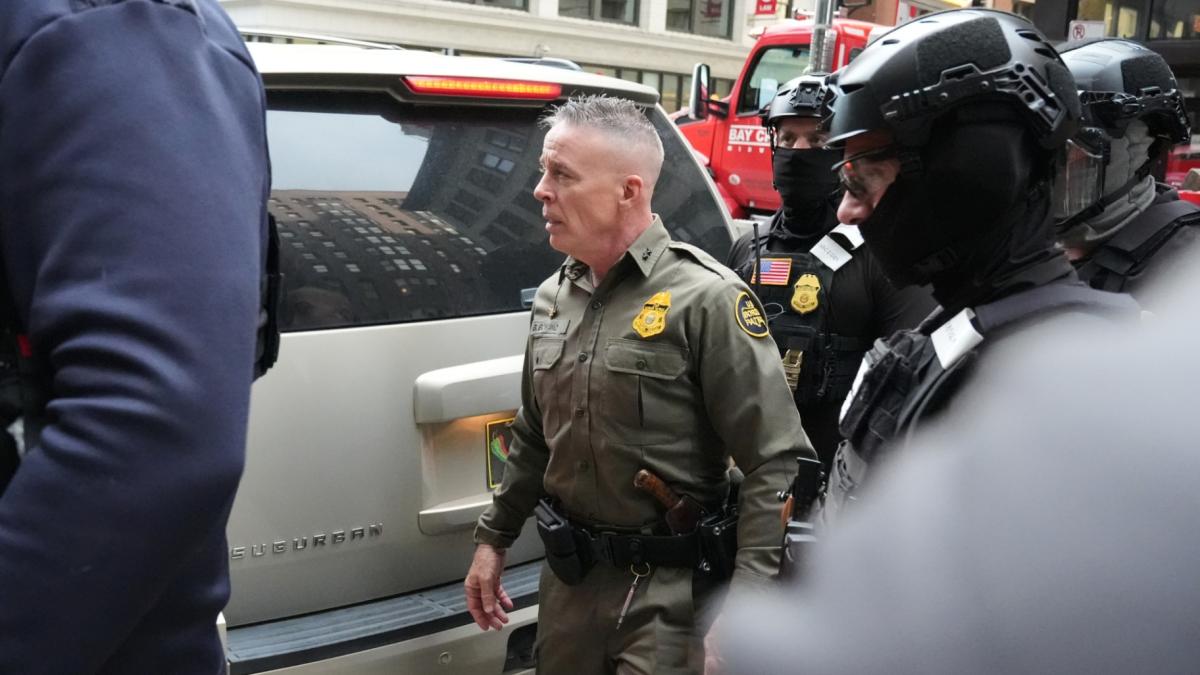
Everything You Need to Know About Gregory Bovino
In the realm of U.S. immigration enforcement, few names carry the weight and responsibility as that of Gregory Bovino, the Chief Patrol Agent of the United States Border Patrol. Known for his extensive background in law enforcement and immigration policy, Bovino has recently made headlines for his significant role in shaping the operations of the Border Patrol and its impact on immigration policy under the current administration.
Gregory Bovino was born on March 27, 1970, and he has spent nearly three decades with U.S. Customs and Border Protection (CBP). Initially starting his career at the El Centro sector in California, Bovino has climbed the ranks over the years, serving in multiple high-profile roles which ultimately led him to oversee Border Patrol operations across large swaths of the U.S. border, including areas with high immigration volumes.
A Leader in U.S. Immigration Enforcement
One of Bovino’s notable achievements during his tenure has been his leadership through several controversial immigration operations. He has been at the forefront of initiatives that have aimed to bolster the enforcement of immigration laws, while also navigating the complexities of public opinion and legal challenges. In interviews, he has emphasized the importance of balancing enforcement with humanitarian considerations, stating, “We must enforce the law while engaging with communities and understanding their concerns.”
His tenure has not been without its challenges. As reported in a WTTW article, the Border Patrol faced a series of appeals court decisions that questioned the legality and methods of certain operations, forcing Bovino to reassess strategies. He has responded to these challenges with a focus on transparency, reaching out to communities to discuss the realities of immigration and border security.
Academic Credentials and Background
Gregory Bovino holds a bachelor’s degree in natural resource conservation from Western Carolina University and a master’s degree in public administration. His academic background has provided him with insights into environmental as well as administrative challenges within border security.
The WBEZ article highlights ten key aspects of his personal and professional life, illustrating how his upbringing in rural North Carolina and experiences during his education have shaped his approach to leadership within the Border Patrol.
The Human Side of Law Enforcement
Beyond his professional commitments, Bovino has emphasized his personal connection to the communities affected by immigration policies. He acknowledges the fears and aspirations of immigrants, often asserting that Border Patrol’s role is not just to enforce laws but also to protect human dignity. His leadership style has garnered praise for being approachable and for fostering dialogue, which has been crucial in times of heightened tension regarding immigration enforcement.
Significant Operations and Impact
Under Bovino’s command, there has been a strategic focus on reducing illegal crossings while also enhancing communication with congressional representatives to advocate for legislative changes that could ease some burdens related to immigration enforcement. His handling of operations during highly publicized events, such as community safety forums and legislative hearings, showcases the importance of community relations in law enforcement.
His leadership has resulted in operations that aim for a higher degree of accountability within the Border Patrol, a necessity underscored by recent criticisms and the need for improved oversight. According to a Guardian article, Bovino has worked diligently to communicate the operational realities of the Border Patrol to the public and media, thus fostering a more informed dialogue surrounding immigration issues.
Conclusion: The Future of Border Patrol Under Greg Bovino
As the U.S. faces increasingly complex immigration challenges, Gregory Bovino remains a pivotal figure in guiding the Border Patrol’s response efforts. His extensive experience, combined with his commitment to communication and transparency, suggests that he will continue to navigate the difficult waters of U.S. immigration enforcement for years to come.
Pundits and advocacy groups alike will be observing Bovino’s next moves as he works to balance law enforcement with the pressing ethical considerations surrounding immigration. Through his actions and strategic initiatives, Bovino is indeed reshaping the public perception of the Border Patrol, one community meeting at a time.