



Understanding the Extreme Cold Watch: Preparing for the Harshest Winters
As winter approaches, awareness of weather-related hazards becomes increasingly essential. One such hazard is the Extreme Cold Watch, a weather alert that warns communities of dangerously low temperatures and the potential for severe frostbite and hypothermia. In this article, we will explore the implications of an Extreme Cold Watch, the science behind it, and what individuals and businesses can do to prepare.
What is an Extreme Cold Watch?
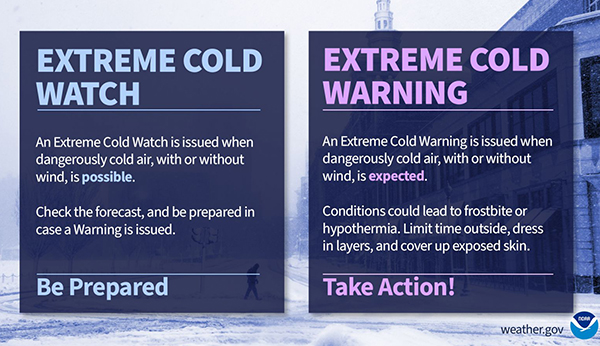
The National Weather Service (NWS) issues an Extreme Cold Watch when conditions are favorable for the development of dangerously cold temperatures that may pose a threat to health and safety. This alert is typically issued when forecasted wind chill values are expected to reach dangerously low levels, which can lead to severe health risks such as frostbite within minutes.
Why is an Extreme Cold Watch Important?
Extreme cold weather can be more than just an inconvenience. It poses significant hazards to individuals, especially those exposed to the elements without adequate protection. The NWS emphasizes the importance of this alert, as it can help mitigate risks associated with extreme temperatures. According to the National Weather Service, people need to be aware of both the temperature and wind chill factors, which can drastically increase the risk of frostbite and hypothermia.
The Science Behind Extreme Cold Conditions
When temperatures drop significantly, and the wind begins to howl, a potent combination emerges. Wind chill is a crucial factor; it describes how the human body feels based on the actual temperature and the wind speed. For instance, if the air temperature is 10°F, but the wind is blowing at 20 mph, the temperature can feel as cold as -9°F. This drastic drop underscores the need for individuals to protect themselves against the extreme cold.
Health Risks Associated With Extreme Cold
Extreme cold presents a serious risk due to conditions like:
- Frostbite: Damage to skin and underlying tissues resulting from exposure to cold; often affects extremities like fingers and toes.
- Hypothermia: A life-threatening condition that occurs when the body loses heat faster than it can produce it, leading to dangerously low body temperatures.
- Increased Incidents of Heart Attacks: Cold weather can put additional strain on the heart, increasing the risk of heart attack in vulnerable populations.
How to Prepare for an Extreme Cold Watch
Preparation is vital to ensure safety during extreme cold weather alerts. Here are steps individuals and businesses can take:
1. Stay Informed
Keeping up with local weather updates and alerts is crucial. The NWS website and local news channels provide real-time information about extreme cold conditions.
2. Dress Appropriately
Wearing layered clothing helps trap body heat. Insulated gloves, hats, and scarves are essential for protecting extremities. Remember, cotton can retain moisture; opt for moisture-wicking materials instead.
3. Prepare Your Home
Make sure your home is adequately insulated. Keep doors and windows sealed, and consider utilizing electric space heaters safely to keep key areas warm.
4. Emergency Kits
Both homes and cars should be equipped with emergency kits containing items like blankets, snacks, bottled water, a flashlight, and first aid supplies. For businesses, ensuring that employees are aware of these kits can help safeguard workplace safety.
5. Keep Vehicles Ready
If you must travel, ensure your vehicle is winterized. This includes checking antifreeze levels, battery performance, and having chains or winter tires available if needed.
Strategies for Businesses During Extreme Cold Alerts
For HR professionals and business leaders, it is critical to have a plan for employee safety during extreme cold events. Here are some strategies:
1. Flexible Work Arrangements
Encouraging or allowing remote work can significantly reduce travel risks associated with extreme cold. Provide support for employees working from home, ensuring they have the necessary tools and resources.
2. Safety Protocol Training
Educate employees about the dangers of extreme cold and how to respond during an Extreme Cold Watch. This includes recognizing symptoms of frostbite and hypothermia.
3. Emergency Leave Policies
Establish clear policies regarding emergency leave, allowing employees to stay home if conditions are unsafe for travel. Communication is key; employees should feel comfortable reporting unsafe travel conditions.
Conclusion
The Extreme Cold Watch serves as a crucial warning to protect lives and livelihoods during harsh winter conditions. By staying informed, preparing adequately, and implementing strategies to mitigate risks, individuals and businesses can navigate extreme cold weather more safely. Remember to check the NWS resources for updates and recommendations to stay safe this winter season.