



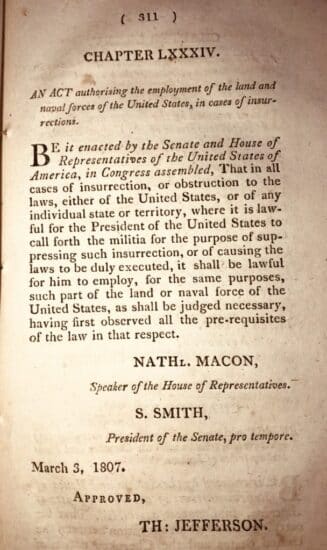
What Is the Insurrection Act?
The Insurrection Act is a United States federal law that allows the president to deploy military forces within the country to suppress civil disorder, insurrection, and rebellion. Essentially, it provides a legal framework for the president to intervene in states where local authorities are unable to maintain law and order. The origins of the Insurrection Act date back to 1807, making it a significant piece of legislation that has shaped the relationship between federal authority and state governance.
The Insurrection Act has been invoked rarely, yet its implications are profound, especially concerning the balance of power between state and federal governments. In times of crisis, such as civil unrest or national emergency, a thorough understanding of this Act becomes essential for leaders, especially HR professionals and business executives who may navigate organizational challenges arising from civic disruptions.
The Historical Context of the Insurrection Act
Initially passed in response to the need for federal intervention in case of rebellion, the Insurrection Act has evolved over time. Its immediate necessity in 1807 arose when President Thomas Jefferson sought authorization to use military force against insurgents in the Ohio Valley. This foundational moment set a precedent that allowed for federal intervention in domestic affairs, particularly when state governments were perceived as incapable of restoring order.
The Act became noteworthy during the Civil War (1861-1865)—it was essential in maintaining federal authority when local governments were in turmoil. More recently, the Act was invoked during the civil rights movement, highlighting its critical role in federal oversight during periods of significant social unrest.
Key Provisions of the Insurrection Act
The Insurrection Act is encapsulated within Title 10 of the United States Code, sections 251-255. Here are the key provisions:
- Section 251: Allows the President to use the armed forces to suppress insurrections when the state governments cannot maintain public order.
- Section 252: This section empowers the President to employ the armed forces to enforce the law when there is a significant disruption of law and order.
- Section 253: Grants the President the authority to intervene in states where local law enforcement is unable to maintain order.
- Section 254: Outlines the procedures for the President to inform Congress prior to the deployment of armed forces.
- Section 255: Mandates the reporting of federal actions under the Insurrection Act to Congress.
These provisions reflect the Act’s intentions while emphasizing the need for legislative oversight in implementing such measures.
Recent Developments and Implications
In recent years, the Insurrection Act has resurfaced in public discourse, especially amidst the backdrop of protests and civil unrest across the United States. The potential invocation of the Act during these protests has raised concerns regarding the balance of power and the implications for civil rights. Business leaders and HR professionals must understand these developments, which can influence workplace dynamics and public sentiments.
For instance, during the Black Lives Matter protests in 2020, there were discussions around whether the Insurrection Act could be invoked to address the unrest. The mere mention of the Act heightens tensions and raises questions about federal overreach into state affairs. Consequently, organizations must remain aware of the implications these legal frameworks can have on employee sentiments, organizational culture, and public image.
Navigating Leadership in Uncertain Times
For HR professionals and business leaders, understanding the Insurrection Act and its implications is essential, particularly in fostering a workplace culture that prioritizes dialogue and understanding. In times of national unrest, employees may feel vulnerable or uncertain about their jobs, and their safety and well-being may be at the forefront of their minds.
Leaders should focus on transparent communication, providing employees with resources to understand their rights and responsibilities during such times. Creating an environment in which employees feel heard and valued can mitigate the impact of external disruptions on organizational morale.
Conclusion: The Importance of Understanding the Insurrection Act
In conclusion, the Insurrection Act represents a critical juncture in American law regarding individual rights and federal authority. Understanding its provisions and historical context can enable professionals to navigate the complexities of leading organizations during uncertain times effectively. As HR professionals and business leaders, staying informed and proactive in addressing these dynamics can foster resilience and adaptability within the workplace. For further insights into the Insurrection Act, explore this detailed article on the Zinn Education Project website.