



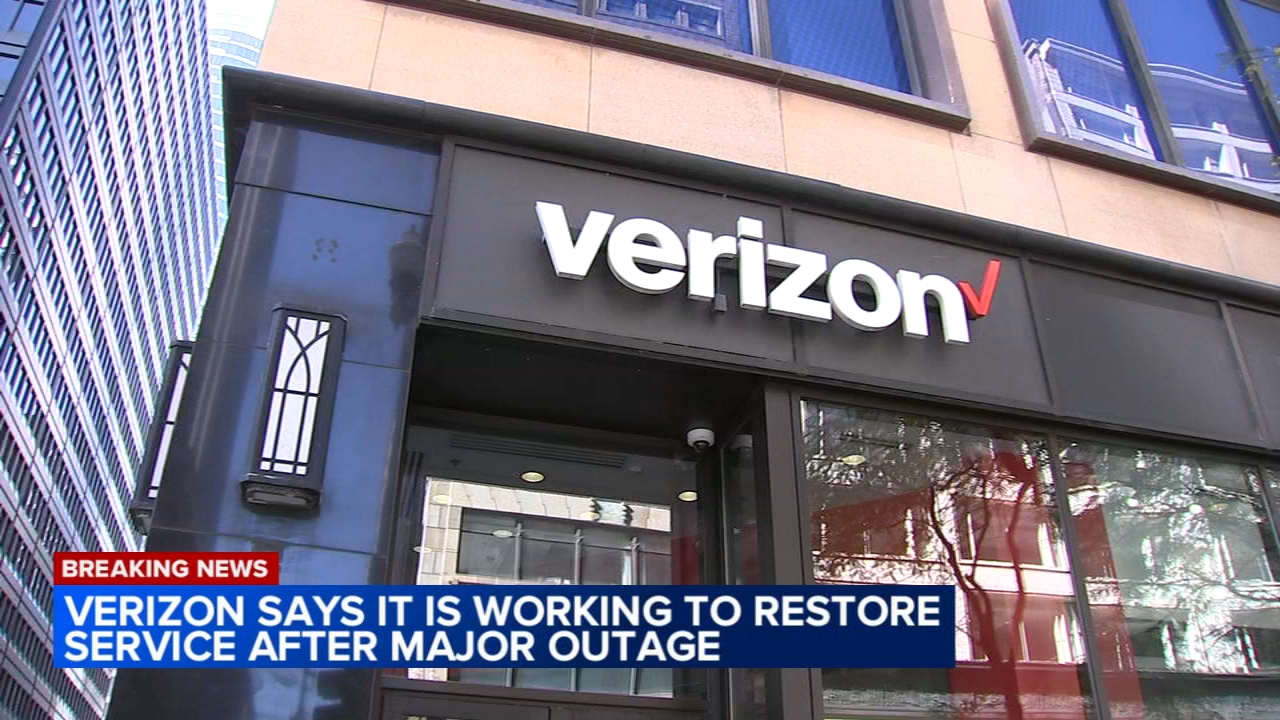
Understanding the Verizon Outage: Causes, Impacts, and What You Need to Know
Recently, many Verizon customers across the United States found themselves facing a significant disruption in service, sparking widespread conversations and concerns. Such outages are not just an inconvenience; they have far-reaching implications for both individual users and businesses relying heavily on uninterrupted connectivity. In this post, we will delve into the causes of the Verizon outage, its impact on customers, and how businesses can prepare for such events in the future.
What Led to the Verizon Outage?
The outage that affected thousands of Verizon customers primarily stemmed from an unexpected technical failure. According to reports detailed on abc30.com, users reported their phones displaying “SOS mode,’ which indicates a lack of network connectivity. This issue appeared to be widespread, with complaints flooding in from various states. While it is still under investigation, early analysis suggests that system updates or server maintenance could have led to a cascading effect that interrupted services.
The Immediate Effects of the Outage
For individuals, the inability to make calls, send messages, or access data meant a significant disruption to daily tasks. Personal communications were hindered, leaving many feeling disconnected, especially during emergency situations. For businesses, the implications were even more severe. Companies relying on mobile devices for communication, sales processing, or customer engagement found themselves at a standstill.
How Businesses Can Mitigate Risks from Service Outages
Service outages highlight the need for businesses to have contingency plans in place. Here are some strategies to consider:
- Diversify Communication Channels: Rather than relying solely on one service provider, businesses should consider using multiple carriers. This ensures that if one service goes down, others can still function.
- Cloud-Based Solutions: Leveraging cloud technologies can help businesses stay connected through various platforms, like VoIP or messaging services, which can operate independently from traditional wireless systems.
- Emergency Protocols: Establish clear protocols for staff during an outage, including alternative methods for communicating with clients and colleagues.
- Regular Assessment and Training: Regularly assess your communication strategies and train your staff to ensure everyone knows how to react during outages.
The Role of AI and Automation in Managing Communication Breakdown
Implementing advanced AI and automation solutions can significantly improve how businesses respond to outages. For instance, automating notifications and updates can ensure clients are informed even during disruptions. AI-driven analytics can also monitor service feedback and help predict potential outages, allowing businesses to take preventative actions.
Workflow automation tools like n8n can integrate various communication platforms, allowing data to flow seamlessly even when parts of the system experience issues. By automating responses and integrating alternative communication channels, businesses can maintain a level of operational integrity, even amidst challenges.
Looking Ahead: Future of Connectivity and Service Reliability
While technical outages are inevitable, advancements in technology and infrastructure aim to improve service reliability and response times. Telecom companies, including Verizon, are continuously investing in their networks and exploring solutions to minimize future disruptions.
As users and businesses, it’s crucial to stay informed about the status of service providers and understand their contingency measures. Checking your service provider’s updates and keeping abreast of ongoing changes can empower you to respond quickly during unforeseen disruptions.
Conclusion
The recent Verizon outage serves as a reminder of our dependence on connectivity. It reinforces the need for both individuals and businesses to equip themselves with strategies to navigate unexpected service disruptions. By diversifying communication methods, automating workflows, and preparing contingency plans, we can not only survive outages but thrive in the face of challenges.
As the landscape of technology evolves and organizations enhance their infrastructures, let’s remain vigilant and proactive. Together, we can work toward minimizing the impact of future outages and ensuring a more connected, resilient future.