



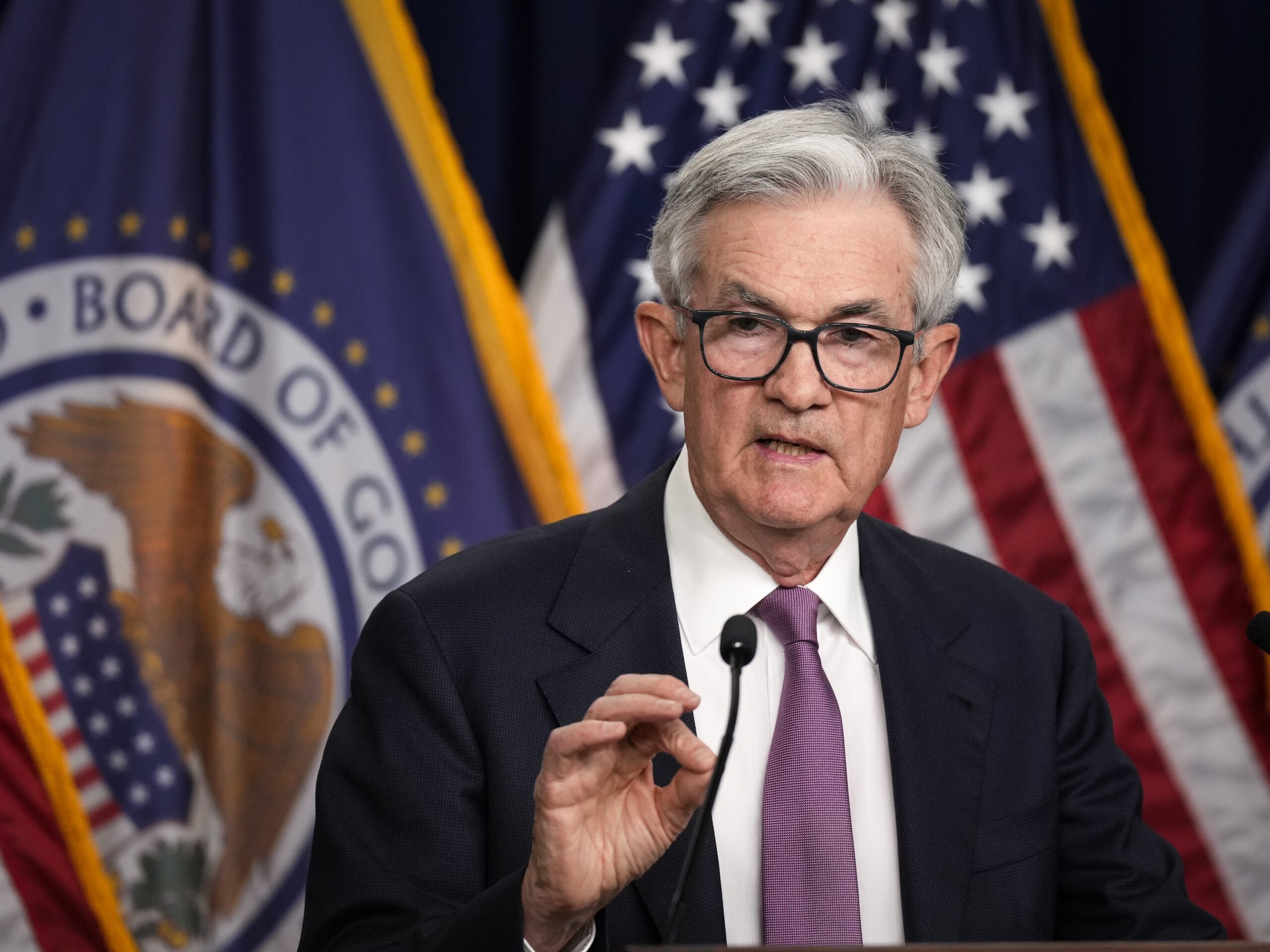
Federal Reserve Chair Jerome Powell: A Vision for Economic Stability
In recent months, the financial landscape has been increasingly shaped by the decisions and announcements of Federal Reserve Chair Jerome Powell. His insights on monetary policy and interest rates are crucial for businesses and HR professionals alike, as they have direct implications for the economy and the workforce. With a focus on maintaining employment levels and controlling inflation, Powell’s leadership during uncertain times is vital. This blog post aims to explore his strategies and their potential impacts on various sectors.
The Role of Jerome Powell in Today’s Economy
Since taking office in February 2018, Jerome Powell has steered the Federal Reserve through turbulent waters. His approach has been marked by a commitment to transparency and effective communication, which helps to manage market expectations. Recent discussions indicate that Powell may soon advocate for lowered interest rates to spur economic growth, as seen in an article by OPB News. This shift could provide relief for borrowers and stimulate consumer spending.
Interest Rates and Their Impact
Lowering interest rates can have a wide range of effects on the economy. For HR professionals and business leaders, understanding these impacts is essential for strategic planning. When rates decrease, borrowing becomes cheaper. Companies are more likely to invest in expansion or new projects, potentially leading to job creation and increased hiring. Additionally, consumers benefit from lower loan costs, leading to increased spending on goods and services.
The Context of Powell’s Decisions
Powell’s decisions aren’t made in a vacuum. They are influenced by various economic indicators such as inflation rates, employment statistics, and global economic trends. Currently, inflation rates have shown signs of easing, which allows for more flexibility in monetary policy. Powell’s pivot to consider lowering interest rates is timed appropriately amid these developments. It reflects a broader strategy to nurture a stable economic environment while avoiding the pitfalls of overheating.
The Importance of Communication
One of Powell’s key strengths has been his ability to communicate effectively with the public and market participants. By setting clear expectations regarding future monetary policy changes, he has helped to avoid confusion and uncertainty that could adversely affect the economy. His recent statements suggest that the Federal Reserve is prepared to act decisively if the economic situation warrants such a move. This approach fosters confidence among investors and stakeholders.
Preparing for Change: How Businesses Can Adapt
With the potential of changing interest rates under Powell’s leadership, businesses need to stay agile. Here are a few strategies for HR professionals and business leaders to consider:
- Evaluate Financial Strategies: With lower borrowing costs on the horizon, companies should reassess their financial health and consider investments or debt refinancing that could yield long-term benefits.
- Focus on Workforce Development: In times of economic change, investing in employee training and development can improve morale and productivity, positioning companies to capitalize on opportunities as they arise.
- Enhance Communication with Employees: Keeping employees informed about the company’s direction and economic landscape will foster a culture of transparency and trust.
Powell’s Long-term Vision for the Economy
Jerome Powell has consistently maintained that the Fed’s primary focus is to ensure maximum employment while maintaining price stability. His approach to monetary policy is not merely reactive; instead, he aims to establish a stable economic foundation for future growth. If Powell successfully lowers interest rates, it could lead to a more favorable business climate, eventually supporting long-term job creation and wage growth.
Conclusion: Anticipating the Future
As Federal Reserve Chair, Jerome Powell’s decisions will continue to influence economic conditions, which in turn will impact industries, job markets, and consumer behavior. HR professionals and business leaders must remain vigilant and responsive to these changes. By understanding Powell’s vision and anticipated decisions, businesses can better prepare themselves for the future, aligning their strategies with the economic realities ahead. With the potential for lower interest rates, now is an opportune moment for organizations to innovate, invest, and invigorate their workforce.