



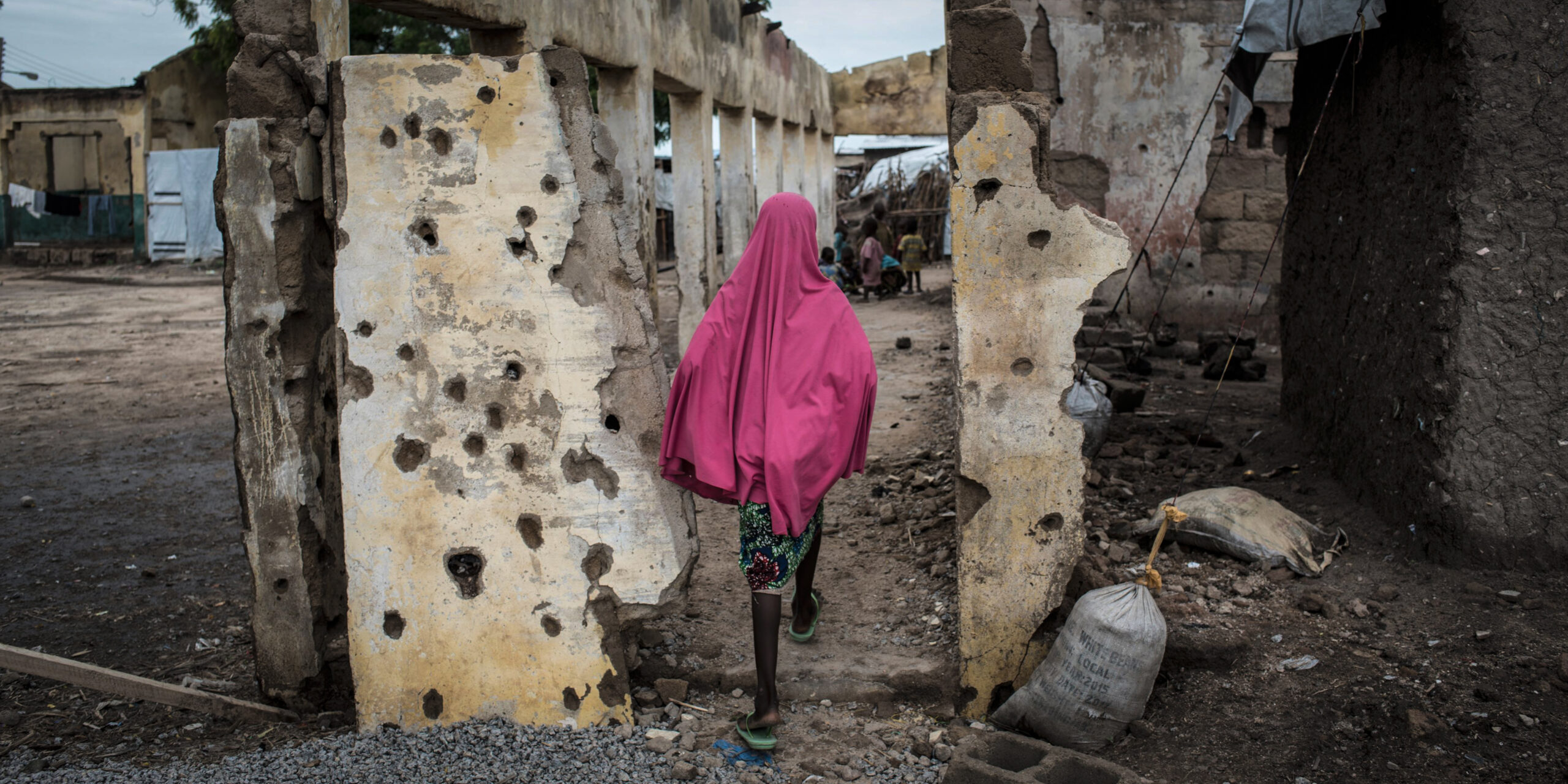
Nigeria Bombing: An Overview
The issue of Nigeria bombing has recently surfaced in global discussions, shedding light on the ongoing conflict and its profound impact on civilians. Nigeria has been grappling with various security challenges, particularly in the northeastern region where militant groups have engaged in violent attacks. The interplay of political instability, economic hardship, and social unrest exacerbates the humanitarian crisis faced by the civilian population.
The Current State of Affairs in Nigeria
As reported by The Intercept, the situation in Nigeria continues to deteriorate with incidents of bombing resulting in significant civilian displacement and loss of life. This ongoing violence, primarily linked to groups such as Boko Haram and ISIS affiliates, underscores the urgency for comprehensive strategies to address both immediate humanitarian needs and the underlying causes of conflict.
Historical Context of Violence in Nigeria
Nigeria’s complex history has set the stage for its enduring conflicts. Rooted in colonial legacies, ethnic rivalries, and economic disparities, the current unrest can be traced back several decades. The introduction of democratic governance in 1999 brought hope for stability; however, it has also resulted in stagnation in addressing foundational issues, including poverty and education. Over time, these unaddressed grievances have cultivated an environment ripe for extremist ideologies.
The Human Cost of Bombings
Bombings in Nigeria do not only result in immediate casualties; they inflict long-lasting effects on communities. Victims of bombings, many of whom are innocent civilians, experience trauma, psychological distress, and disruption of their daily lives. The displacement of families leads to overcrowding in refugee camps, where access to food, sanitation, and healthcare is severely limited. Such conditions exacerbate health crises, as seen in recent reports that indicate a surge in diseases among displaced populations.
International Response and Responsibilities
The global community has responded with varying degrees of engagement and support for Nigeria amidst the crisis. Aid organizations are mobilizing resources to provide relief, while governments are pressured to reassess their foreign policies regarding military assistance. Nonetheless, the effectiveness of international intervention remains contentious, as there is a call for strategies that prioritize civilian protection over mere military solutions.
The Role of AI and Technology in Addressing the Crisis
As the situation in Nigeria evolves, innovative solutions are increasingly necessary. AI consulting firms are uniquely positioned to offer insights that help in establishing predictive models for conflict zones. By harnessing big data analytics and machine learning, these technologies can assist in identifying at-risk regions, enabling timely interventions from humanitarian organizations. Moreover, automating administrative processes through n8n workflows allows NGOs to facilitate aid distributions more efficiently, streamline communication, and ultimately respond to emergencies with agility.
Facing the Future: Resilience in the Face of Adversity
Despite facing dire humanitarian challenges, the Nigerian people remain resilient. Communities are actively engaged in dialogues to foster peace and rebuild. It is essential to acknowledge local efforts and involve grassroots organizations in creating long-term solutions to the grievances that fuel violence.
Conclusion
The ongoing bombing crisis in Nigeria highlights the urgent need for concerted efforts to address both the symptoms and root causes of conflict. Integrating technology and humanitarian responses presents an opportunity to transform the landscape of aid in Nigeria. By focusing on innovation while grounding efforts in local engagement, stakeholders can build resilience and pave the way towards a more peaceful future.