



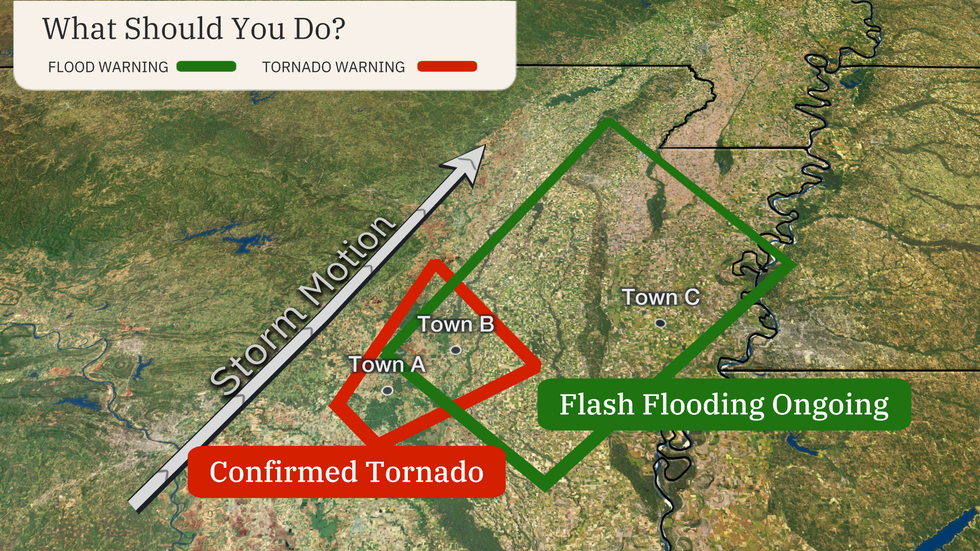
Understanding Flash Flood Warnings: What You Need to Know
As severe weather patterns become increasingly common, organizations must pay close attention to warnings issued by meteorological agencies. One such warning that can dramatically impact communities and businesses alike is the flash flood warning. In this blog post, we will dissect what a flash flood warning entails, its significance, and necessary actions for businesses and individuals. Furthermore, we’ll explore the correlation with tornado warnings, providing a comprehensive overview that equips you with critical knowledge and proactive strategies to manage weather-related risks.
What is a Flash Flood Warning?
A flash flood warning is issued by weather agencies when rapid flooding is imminent or already occurring in a specific area, typically triggered by heavy rainfall, dam breaks, or sudden snowmelt. Unlike regular flood warnings, which generally indicate a slower rise in water levels, flash floods can develop within minutes or hours, making them exceptionally dangerous.
The Difference Between Flood and Flash Flood Warnings
To fully understand flash flood warnings, it is essential to differentiate them from general flood warnings:
- Flood Warning: Issues an alert for areas where flooding is expected to develop over a longer timeframe, typically several days.
- Flash Flood Warning: Alerts immediately regarding potential life-threatening flooding that requires rapid response.
The distinction is crucial for emergency preparedness. People often have time to prepare and evacuate during regular flood warnings, while flash floods demand swift action.
The Importance of Monitoring Weather Alerts
HR professionals and business leaders must create awareness regarding the significance of monitoring weather alerts in their organizations. According to a study by the National Weather Service, timely alerts can save lives and minimize property damage.
Integrating real-time weather tracking into emergency response plans shows a commitment to employee safety and operational continuity. Activities such as simulated drills, making use of apps that send push notifications about weather alerts, and planning safe evacuation routes are essential components of an effective emergency strategy.
Flash Flood Warnings and Tornadoes: A Dangerous Combination
Often, severe thunderstorms can bring both flash floods and tornadoes. Understanding the interactions between tornado warnings and flash flood warnings enables organizations to develop a coherent understanding of weather emergencies.
When a tornado warning is issued, heavy rainfall frequently precedes it, diminishing visibility and increasing the risk of flash flooding. Thus, it is vital for organizations to remain vigilant during severe weather conditions, considering both types of alerts as interconnected threats. Emergency plans should integrate protocols to handle such dual threats, ensuring proper communication and decision-making during crises.
Preparations for Flash Flood Events
Being proactive in preparations can make a tremendous difference when flash floods occur. Here are some important measures to consider:
- Educate Employees: Ensure that all team members are familiar with flash flood warnings and their implications. Regular training sessions can boost awareness.
- Emergency Communication Systems: Implement systems that notify employees of severe weather conditions immediately, providing guidance on necessary actions.
- Safety Drills: Conduct regular safety drills to familiarize employees with procedures during extreme weather events.
- Emergency Supplies: Equip your building with emergency supplies and first-aid kits, ensuring employees can stay safe during unexpected events.
- Plan for Remote Work: In instances of severe weather, ensure that there’s a remote work policy in place to maintain productivity even when employees can’t physically travel to the office.
Response During a Flash Flood Warning
When a flash flood warning is issued, immediate response is paramount. Here are essential actions to take:
- Evacuate if Necessary: If authorities recommend evacuation, take that recommendation seriously. Leaving early can save lives.
- Move to Higher Ground: If evacuation isn’t feasible, move to higher ground within your building or area.
- Stay Indoors: Avoid areas prone to flooding and stay indoors. Do not attempt to walk or drive through flooded areas.
- Keep Updated: Stay tuned to local news and weather reports for ongoing updates about the flash flood situation.
Conclusion
Understanding flash flood warnings and their implications is critical for HR professionals and business leaders aiming to protect their workforce and assets. In an era where climate variability is prominent, preparedness and awareness can make the difference between safety and danger. By proactively developing actionable weather-related strategies and integrating them into business continuity plans, organizations can ensure they are ready to handle severe weather events effectively. With the increase in severe weather patterns, utilizing resources such as National Weather Service updates not only safeguards employees but fortifies the integrity of organizational operations.
Take the time today to review your emergency plans, educate your workforce, and stay informed. Being proactive is always better than waiting until it’s too late!