



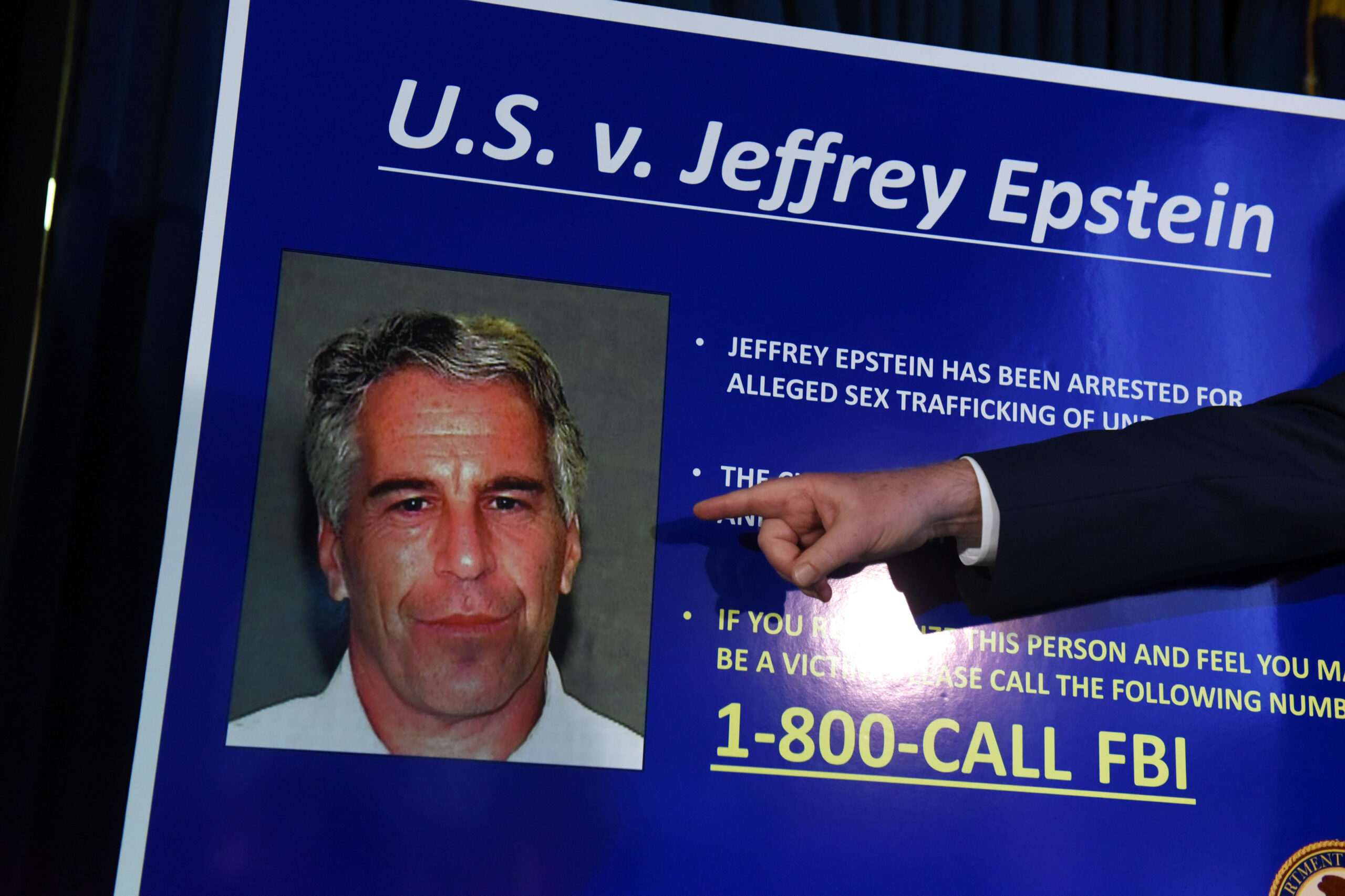
The Epstein Files: What You Need to Know
The term “Epstein files” references a trove of documents associated with Jeffrey Epstein, a figure whose life and actions have captivated the public and spawned numerous conspiracy theories. With fresh revelations surfacing as of January 2024, the new Epstein files have set off a renewed wave of speculation and intrigue, inviting both media scrutiny and public discourse.
This latest release follows previous disclosures that crisscrossed the lives of many influential figures and has reignited discussions around accountability and ethical conduct at high levels of society. The research community is abuzz, with analysts dissecting the implications these files may have on public trust and policy development. A report from OPB provides an in-depth analysis of this ongoing saga.
What Are the Epstein Files?
The Epstein files encompass various documents collected during the investigations into Epstein’s activities. These papers contain information on his relationships with numerous powerful individuals, allegations of human trafficking, and details surrounding his controversial dealings that led to his arrest and subsequent death in custody in 2019.
The Contents of the New Epstein Files
As stated in the OPB article, the recent release features a range of documentation, including flight logs, legal correspondence, and accounts from victims. Such records not only shed light on Epstein’s infamous friendship circle but also raise questions about systemic failures in protecting vulnerable populations.
**Flight Logs:** One of the most talked-about aspects are the flight logs from Epstein’s private jets, detailing trips taken by notable figures. This data serves as both a resource for those investigating accountability and a starting point for conspiracy theorists to weave narratives that can sometimes diverge significantly from established facts.
Conspiracy Theories and Public Responses
The release of the Epstein files has inevitably sparked a resurgence of conspiracy theories, setting off a chain reaction across social media platforms and news outlets. Many claim that these files contain secrets that implicate high-profile individuals in illicit activities. This narrative is particularly alluring to those who feel disillusioned by traditional media and the political establishment.
It is crucial for HR professionals and business leaders to understand the societal context of these theories to manage team dynamics effectively. As an employer, one might encounter employees discussing or debating these topics, potentially leading to distractions or misunderstandings.
The Ethical Implications of the Epstein Files
From a corporate perspective, the ethical considerations around the Epstein files are profound. The documents raise urgent questions about corporate responsibility, particularly regarding the actions of prominent stakeholders who may be implicated in Epstein’s activities.
Companies are increasingly called upon to conduct thorough due diligence, ensuring that their partnerships align with social values and public expectations. As employees become more socially conscious, they expect their employers to act responsibly and transparently when navigating associations with influential figures who may be tied to controversial backgrounds.
Conclusion: Navigating a Complex Landscape
As new revelations about Epstein continue to emerge, it is essential for leaders in business and HR to remain informed about these developments. The Epstein files represent more than just a collection of documents—they encapsulate societal anxieties about power, trust, and accountability.
Engaging openly and constructively with employees about such controversial topics can foster a culture of transparency and trust. Businesses must take proactive steps to evaluate their internal processes and address any potential ethical pitfalls head-on.
In summary, while the Epstein files can stir confusion and speculation, they also provide an opportunity for growth and understanding, urging organizations to reflect on their ethical practices and the potential consequences of their associations. Being informed on such matters is not merely for curiosity; it can play a pivotal role in shaping organizational integrity and alignment with public expectations.