Understanding the World Cup Groups
The FIFA World Cup is one of the biggest sporting events in the world, capturing the attention of millions as nations compete for glory every four years. As we approach the 2026 World Cup, it is essential for fans, players, and even business professionals to understand the groups, the schedule, and the implications of this monumental event. In this guide, we will explore the World Cup groups, the schedule, and how you can prepare to enjoy this global phenomenon.
The Excitement of the 2026 FIFA World Cup
Set to take place in the United States, Canada, and Mexico, the 2026 FIFA World Cup promises a thrilling tournament format. For the first time, the tournament will feature 48 teams divided into 16 groups. Each group will have three teams, where the top two from each group advance to the knockout stages. This expansion from the traditional 32-team format brings more excitement and opportunities for teams long overlooked in World Cup history.
World Cup Schedule: Key Dates and Matches
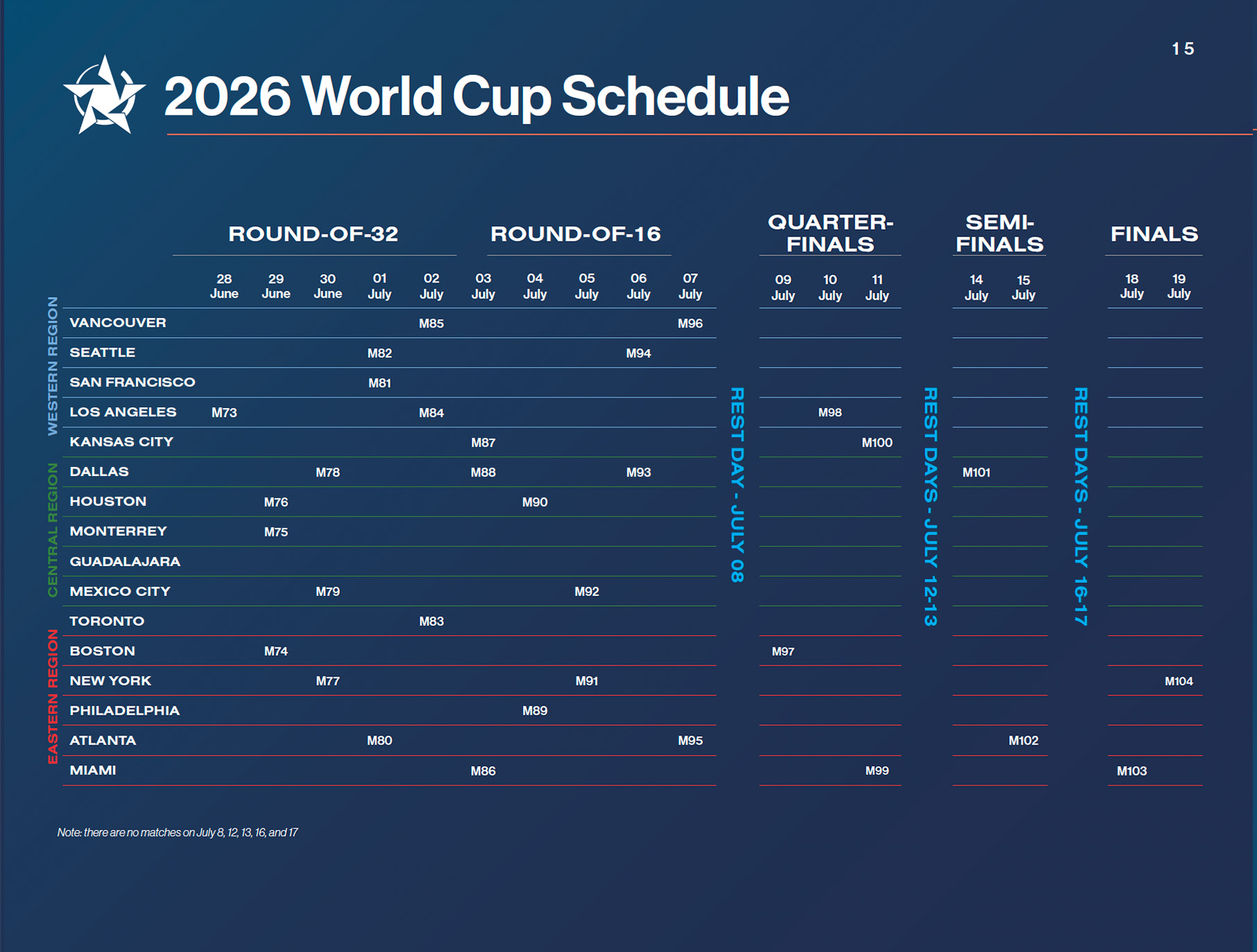
The 2026 World Cup schedule is already a point of interest for fans eager to make travel plans and experience the action live. According to Roadtrips, the opening match will be held on June 8, 2026, with the grand final scheduled for July 8, 2026. This month-long festival of football will see matches taking place in various cities across North America. Here are key dates to note:
- Opening Match: June 8, 2026
- Group Stage Matches: June 8 – June 28, 2026
- Round of 32 Matches: June 30 – July 3, 2026
- Round of 16 Matches: July 6 – July 9, 2026
- Quarter-finals: July 12 – July 13, 2026
- Semi-finals: July 16 – July 17, 2026
- Final: July 8, 2026
Breaking Down the World Cup Groups
While the exact composition of the groups will only be finalized after the qualification matches conclude, understanding the factors affecting group assignments can provide valuable insights. FIFA typically seeds teams based on their performance in previous tournaments and their FIFA rankings. Here’s how groups are generally structured:
- Pot One: The highest-ranked teams, often former champions or top contenders for the title.
- Pot Two: Teams that are strong but might not be the favorites.
- Pot Three: Rising teams that could surprise stronger opponents.
- Pot Four: Teams considered to be significant underdogs.
The draw event, where teams are placed into these pots, will add to the excitement and anticipation leading up to the tournament.
How to Enjoy the 2026 World Cup
With the World Cup attracting fans from around the globe, preparing for the experience is key. Here are some tips to enhance your World Cup journey:
- Travel Planning: As the host nations span across North America, fans should consider proximity when selecting games to attend. Explore travel packages or accommodations early to secure the best options.
- Understanding Match Schedules: Familiarize yourself with the full World Cup schedule to find matches that fit your travel plans.
- Culture and Connections: Immerse yourself in the local culture of host cities. Attend fan festivals, cultural events, and engage with other fans for a fuller experience.
The Impact of the World Cup on Business
Beyond just sports, the World Cup has a significant economic impact. Businesses should keep an eye on how the tournament can influence various sectors including tourism, advertising, and merchandise. Local businesses often see spikes in sales due to increased tourism. Companies can also strategize on marketing campaigns that leverage the excitement of the World Cup.
Final Thoughts
The 2026 World Cup is shaping up to be a historic event, not only for sports enthusiasts but for everyone involved—from businesses to casual fans. Understanding the world cup groups and schedule will allow you to better appreciate the warmth and camaraderie of this event, while also unlocking opportunities for engagement and celebration. Stay updated with the official FIFA schedule and enjoy what promises to be an unforgettable month of football.