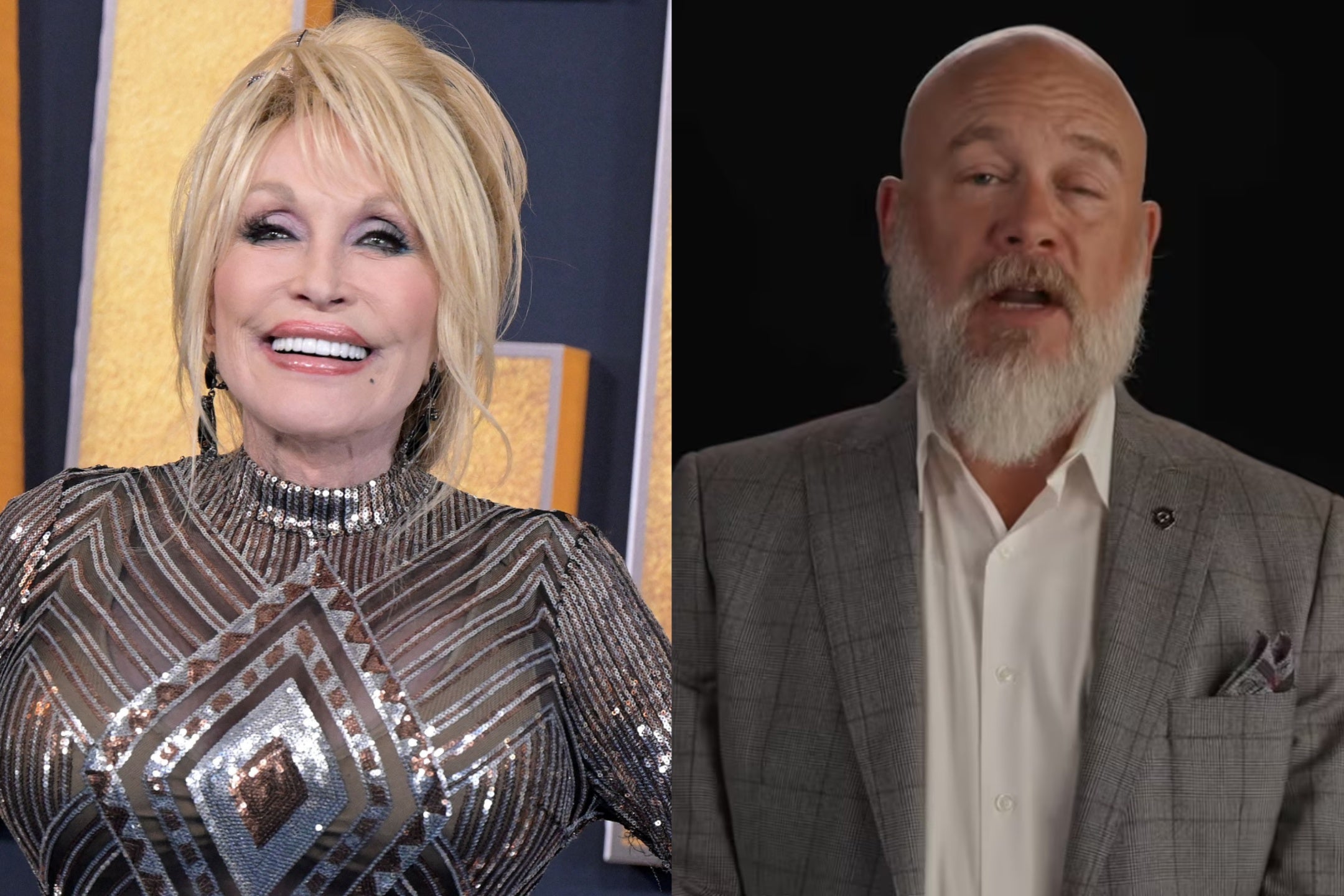
Within the last 24 hours, the Dolly Parton estate lawsuit against nephew Bryan Seaver has escalated, with court filings and public allegations drawing unprecedented scrutiny to the security protocols—and high-stakes drama—surrounding the late country music icon’s legacy. The dispute, confirmed by primary documentation and reported by credible national sources, centers on Seaver’s alleged threats to estate staff and business partners, his attempts to evade legal service, and his contested role following Parton’s August 2026 death. This development not only impacts estate management for one of music’s most valuable brands but also surfaces broader questions about digital security, celebrity legacy, and risk mitigation in high-profile deaths.
Background: the dolly parton estate lawsuit and its key players
Dolly Parton passed away on August 25, 2026, leaving behind an estimated $450 million estate, including the Dollywood amusement park, music catalog, and numerous business interests. The estate is managed by She’s Alive LLC, overseen by Parton’s longtime manager Danny Nozell. Bryan Seaver, Parton’s nephew and former head of security, was entrusted by the late star to announce her death, marking him as a public-facing figure in the days after her passing (Business Insider).
However, in September, Seaver was terminated from his security role. The estate then filed a civil complaint against him, alleging a pattern of threats, intimidation, and efforts to extract money from Parton’s businesses. These actions, the lawsuit claims, have disrupted staff, scared business partners, and jeopardized the security of the estate’s operations (NBC News).
Alleged threats, security breaches, and digital risks
The core of the dolly parton estate lawsuit involves serious accusations of threatening communications and attempted coercion. According to court documentation and media reports, Seaver allegedly sent texts and emails suggesting he would “destroy the entire brand” and disrupt key business relationships if his demands were not met. The estate describes these as far beyond simple workplace disputes, citing his background as a military contractor and claims of access to arms and specialized training (Rolling Stone).
The case also highlights physical and digital security issues. The estate reported that Seaver used barbed wire, caution tape, and no-trespassing signs to evade a process server tasked with delivering legal documents—photographed in court filings and attested by multiple sources (ABC News). Meanwhile, Seaver threatened, via digital communication, to launch a public campaign—including podcasts—intended to damage the estate’s reputation and partnerships.
Such incidents point to broader technology challenges: the risks of insider threats, the vulnerability of estate digital assets, and reputational attacks amplified by social media and online platforms. High-profile estates like Parton’s are tasked with managing sensitive business data, protecting IP, and deterring both physical and cyber incursions. This case underscores the converging arenas of physical and cybersecurity in a digital age.
Legal moves: restraining orders and status of the lawsuit
After the initial complaint, She’s Alive LLC obtained a temporary restraining order against Seaver and his security company. This requires him to stay at least 1,000 feet away from estate staff and offices, and bars contact with business affiliates. According to public filings, the estate is now seeking to convert this order into a preliminary injunction. The next court hearing is scheduled for October 9, 2026 (Daily Mail).
Seaver, meanwhile, has requested more time to secure legal representation, claiming his comments were quoted out of context and denying they constituted actual threats. He publicly identified himself as a “career soldier and military contractor” and argued that he’s being painted unfairly in the dispute. However, the estate has submitted evidence of multiple staff resignations and expressed direct safety concerns, both in business operations and personal security.
Implications for estate security and legacy management
As the dolly parton estate lawsuit continues, technology and estate professionals are watching closely for precedent. Parton’s brand, which spans entertainment, philanthropy, and business operations with major digital footprints, faces risks beyond immediate family conflict. Insiders with security permissions can become potent threats—not just to physical property, but to digital and reputational assets. Estates can mitigate such risk by:
- Conducting regular digital and physical security audits
- Assigning access using least-privilege principles
- Implementing rapid account revocation at separation
- Preparing crisis comms for high-profile estate disputes
- Partnering with cybersecurity experts for monitoring and breach response
The case also raises new questions about how digital communications and social media can be weaponized in legal and PR conflicts involving large estates.
Practical context: securing celebrity estates in the digital era
Estates overseeing famous figures like Dolly Parton now act as multimillion-dollar enterprises with global reach and continual security exposures. Lessons from this lawsuit are relevant to estate managers, cybersecurity practitioners, and business operations teams across sectors. Whether the conflict resolves amicably or proceeds to a longer trial, those responsible for digital assets, reputation, and operational security will be revisiting their protocols. For more technology news and analysis of security breaches, see CyberProfi’s cybersecurity coverage and for business technology, visit our business-technology section.
Frequently asked questions
- What is the core allegation in the Dolly Parton estate lawsuit?
- The estate alleges that Bryan Seaver threatened staff and made efforts to seize control of business operations, using both digital and physical means.
- Is the dispute over money or security?
- The lawsuit cites both: allegations include attempted extortion and threats to disrupt or damage estate and brand operations.
- How did the estate respond to Seaver’s actions?
- The estate obtained a restraining order and seeks a longer injunction, in addition to firing Seaver from his security role. Physical and digital security protocols are reportedly being revised.
- What technology risks are exposed in this case?
- The case spotlights insider threats, security access control, and digital reputation risks, particularly when high-profile estates transition management after a founder’s death.
- What’s the next step in the lawsuit?
- A court hearing on the requested preliminary injunction is scheduled for October 9, 2026.
Sources
- NBC News: Dolly Parton’s estate alleges nephew used barbed wire and caution tape to avoid being summoned
- The Guardian: Dolly Parton’s estate alleges her nephew used barbed wire to avoid being served
- Rolling Stone: Dolly Parton Estate Claims Nephew Used Caution Tape and Barbed Wire to Dodge Lawsuit Service
- ABC News: Dolly Parton estate alleges nephew evading lawsuit with barbed wire, trespassing sign
- Business Insider: Why Dolly Parton’s estate is suing her nephew
- Daily Mail: Dolly Parton’s fired nephew having trouble finding attorney to represent him in estate fight