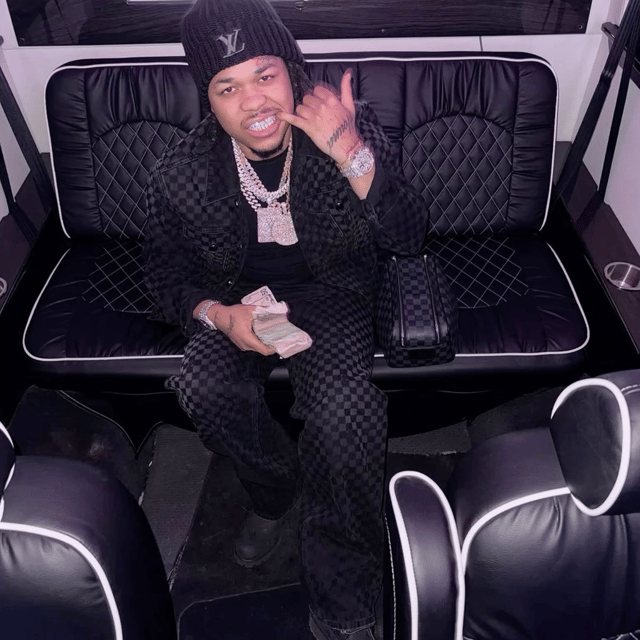
Bloodhound Q50, a rising rapper from Chicago’s drill scene, was shot and killed in a brazen ambush at a Fuller Park gas station in the early hours of September 13, 2026. According to initial police reports and coverage by multiple local and international outlets, six gunmen fired over 50 rounds in the targeted attack that ended the life of Mikquale Cooper, known professionally as Bloodhound Q50. His killing has sparked intense discussion on social media and reignited debate about gun violence in Chicago’s music community.
What happened to Bloodhound Q50?
The focus keyword, bloodhound q50 shooting, refers to the fatal ambush that claimed the life of rapper Bloodhound Q50 in Chicago. Reports from outlets such as CWB Chicago, the Hindustan Times, and Rolling Out confirm that the 22-year-old artist was hit by a hail of gunfire while sitting in his car during the attack. The violence appeared premeditated, with multiple shooters discharging more than 50 rounds before escaping the scene.
Emergency services responded quickly, but Cooper was pronounced dead just weeks after his latest single release. The attack reportedly occurred in the early hours, and no suspects have been identified as of press time.
About Bloodhound Q50: Career and influence
Born August 6, 2004, Mikquale Cooper—better known as Bloodhound Q50—emerged on the Chicago drill scene with gritty tracks such as “First Day Out” and collaborations like “Splash Bros” with Bloodhound Lil Jeff and LilScoom89. His music resonated with audiences navigating urban hardship and volatility. Although new to mainstream recognition, Q50’s social media engagement and street-focused lyrics won him a notable following among young listeners and other artists in Chicago, as detailed in Genius and various music platforms.
Q50’s trajectory also reflected wider trends in urban digital music culture, where up-and-coming artists quickly build reputations via platforms like YouTube and Instagram. The rapper’s latest release, “Too Stuck,” had been gaining traction online just days before his death, and his final Instagram Story (posted hours before the shooting) is now circulating widely, with fans and public figures commenting on the tragedy (Economic Times).
Response from Chicago and online communities
The bloodhound q50 shooting immediately became a trending topic on social media. Fans, community organizers, and high-profile industry voices expressed outrage, grief, and frustration. Tributes poured in from fellow musicians and influential media figures such as DJ Vlad, with many citing both Q50’s potential and the persistent dangers faced by young artists in Chicago’s drill scene. According to the Economic Times, the artist’s story has resonated in part due to his recent engagement with fans about his safety, bringing the issue of ongoing threats into sharper public focus.
Chicago’s drill music community has long faced overlapping challenges of gun violence, poverty, and lack of opportunities. Prominent deaths from the genre in recent years have repeatedly led to calls for reform and greater attention to the underlying causes.
Media coverage and public discussions
Major outlets and local news sources, including CyberProfi’s tech-news and business-technology sections, are tracking not only the circumstances of Bloodhound Q50’s death but also public reaction and the spread of related content online. Viral dissemination of his final posts has spotlighted the influence—and sometimes volatility—of social media in the rapid elevation of both music artists and violence-related news. Researchers and digital rights advocates continue to explore this relationship, seeing both opportunities and tangible risks for those at the intersection.
Despite repeated cycles of shock and debate, Chicago police and city officials are again facing renewed scrutiny about response times, protection measures for public figures, and the persistent gun crime in neighborhoods like Fuller Park.
Context: Gun violence, music, and technology
Bloodhound Q50’s killing is not an isolated event. Chicago’s music scene has lost several emerging artists in recent years in similarly high-profile, targeted attacks. Technology has amplified both the reach of these artists and the virality of news surrounding their deaths, with memorials and discussions playing out almost entirely on social media platforms mere minutes after confirmation. For Q50, whose presence was felt strongest online, this reality shaped both his fast rise and the public mourning that has followed.
The interplay between digital music culture and violence is being studied by sociologists and digital forensics experts. Tools that monitor online trends, track artist sentiment, and flag threats are increasingly important for both law enforcement and industry professionals seeking to protect vulnerable creators.
CyberProfi resources and further reading
- Explore previous tech-news on digital music and social media influence.
- Learn about business-technology shifts impacting music and safety for artists.
Frequently asked questions
- What do we know about the bloodhound q50 shooting?
- Six gunmen fired more than 50 rounds at Bloodhound Q50 at a gas station in Fuller Park, Chicago. The attack appeared targeted and remains under investigation.
- Who was Bloodhound Q50?
- Bloodhound Q50, real name Mikquale Cooper, was a 22-year-old rapper known for his involvement in Chicago’s drill music scene and growing online influence.
- What was Bloodhound Q50’s last social media post?
- Just hours before his death, Q50 posted an Instagram Story supporting rapper EST Gee’s album. The post is now widely shared following news of the ambush.
- How has the music community responded?
- Fans, musicians, and media outlets expressed shock and grief. The incident has prompted widespread calls for action against gun violence and more safeguards for artists.
- How can technology address artist safety?
- Digital monitoring tools, better platform moderation, and proactive measures by local authorities are being discussed as ways to reduce similar risks for public figures.
Sources
- CWB Chicago: 6 gunmen kill Chicago rapper BloodHound Q50 in a Fuller Park gas station ambush
- Hindustan Times: What happened to BloodHound Q50?
- Rolling Out: Chicago rapper BloodHound Q50 killed in gas station ambush
- Genius: Bloodhound Q50 profile and biography
- The Economic Times: Bloodhound Q50 last Instagram story goes viral